Slovenčina / Slovak
 Angličtina / English
20. 11. 2026


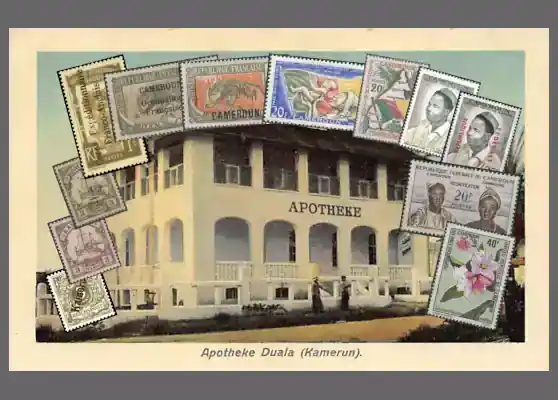
Article from the field of postage stamp-issuing territories focused on the history and postal services of the African country of Cameroon.
Cameroon, officially the Republic of Cameroon, is a country in Central Africa. It borders Nigeria to the west and north, Chad to the northeast, the Central African Republic to the east, and Equatorial Guinea, Gabon and the Republic of the Congo to the south. Its coastline lies along the Bight of Biafra, part of the Gulf of Guinea in the Atlantic Ocean. he country currently has a population of nearly 31 million, speaking approximately 250 indigenous languages in addition to its two official languages, English and French. Its capital is Yaoundé.
The country's name originated with Portuguese explorers, who called the Wouri River Rio dos Camarões, meaning "River of Shrimps". The Portuguese name for the country remains Camarões.
While other European powers had been acquiring colonies since the 15th century, Germany did not become a colonial power until the second half of the 19th century. The first German trading post in the Douala area, near the mouth of the Wouri River, was established in 1868 by the Hamburg trading company C. Woermann. In 1874, the company's chief representative, Johannes Thormählen, together with Wilhelm Jantzen, its representative in Liberia, founded their own company, Jantzen & Thormählen. Both companies expanded into shipping, operating their own sailing vessels and steamships, and established regular services between Hamburg and Douala. These and other companies acquired extensive areas of land from local chiefs and began systematically developing plantations.
Until the 1880s, Imperial Chancellor Otto von Bismarck had long resisted the idea of colonial ventures in Africa, primarily because he was focused on strengthening German interests within Europe. Two key factors eventually prompted a change in policy: pressure from German economic interests and fears of missing out on what later became known as the "Scramble for Africa". Colonies had also become a matter of national prestige.
V roku 1884 Adolph Woermann, ako hovorca všetkých západoafrických spoločností, požiadal cisárske ministerstvo zahraničných vecí o ochranu zo strany Nemeckej ríše a Bismarck schválil založenie kolónie.
Provisional boundaries were established the following year at the Berlin Conference. The final borders were determined through subsequent treaties with Great Britain and France between 1885 and 1908.
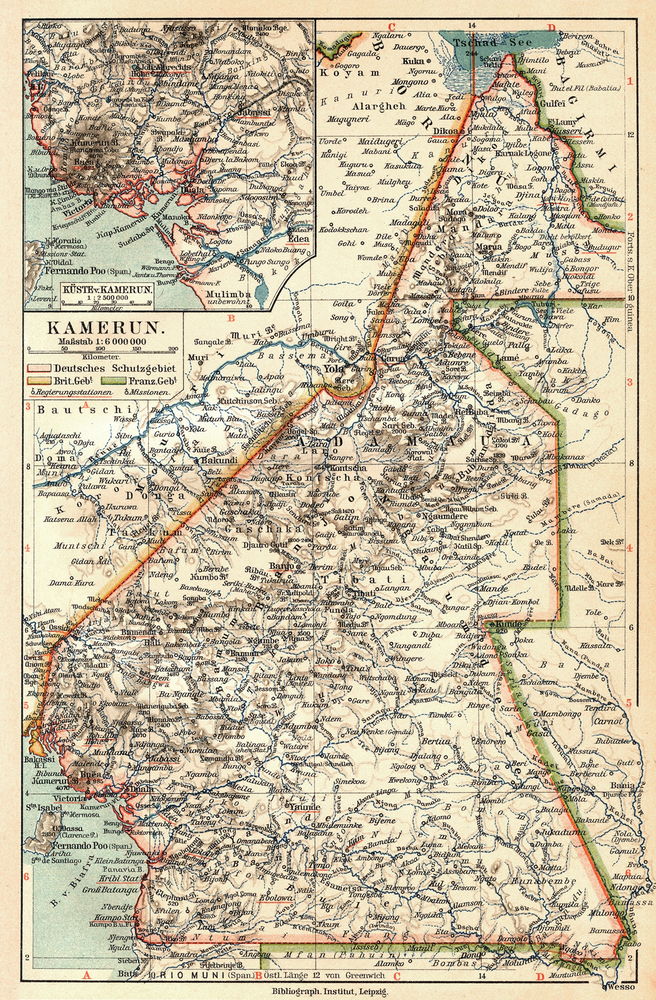
Map of German Kamerun in 1905.
Ordinary German postage stamps and postal stationery were initially used for franking mail.
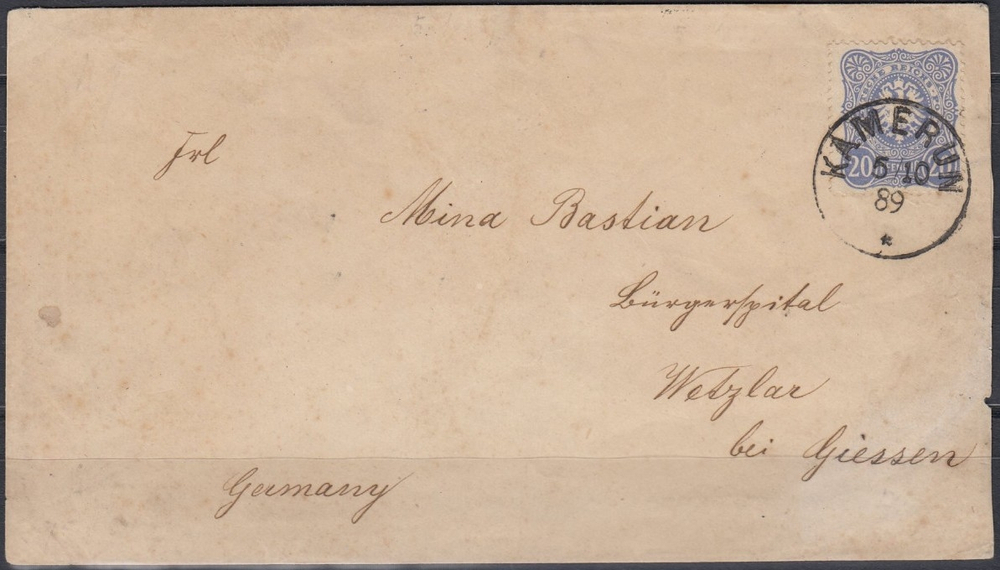
Letter sent on 5 October 1889 from Kamerun to Wetzlar, Germany.
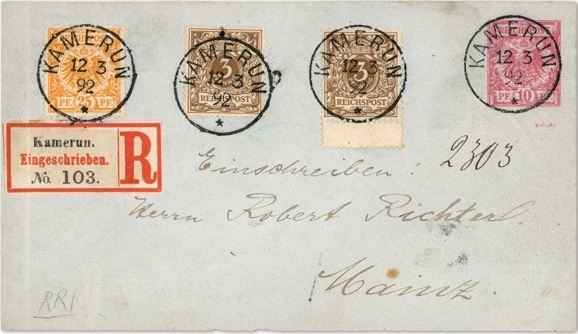
Registered postal stationery envelope sent on 12 March 1892 from Kamerun to Mainz.
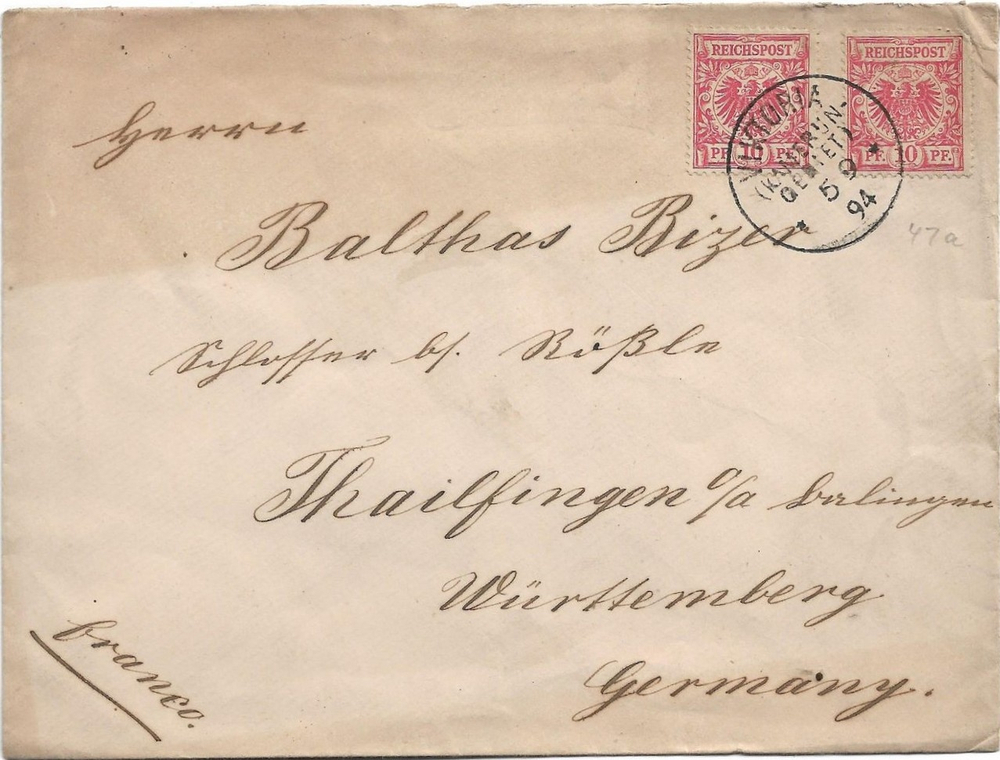
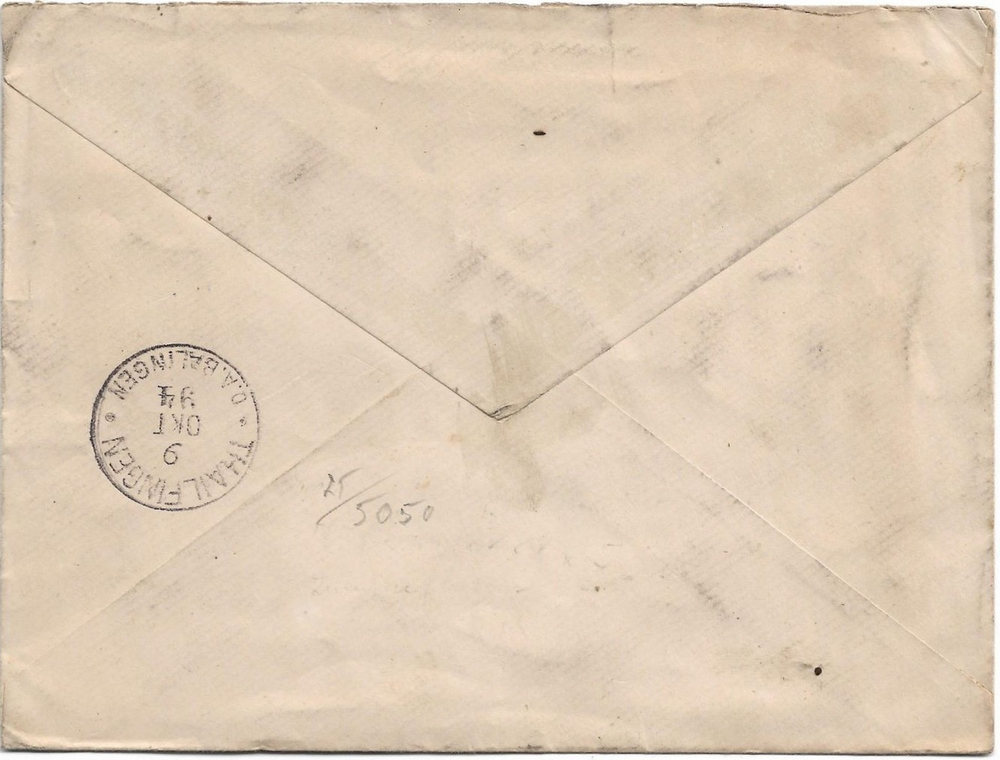
Letter sent on 5 September 1894 from Victoria (present-day Limbe) to Thailfingen, Germany, with the arrival postmark THAILFINGEN 9 OKT 94 on the reverse.
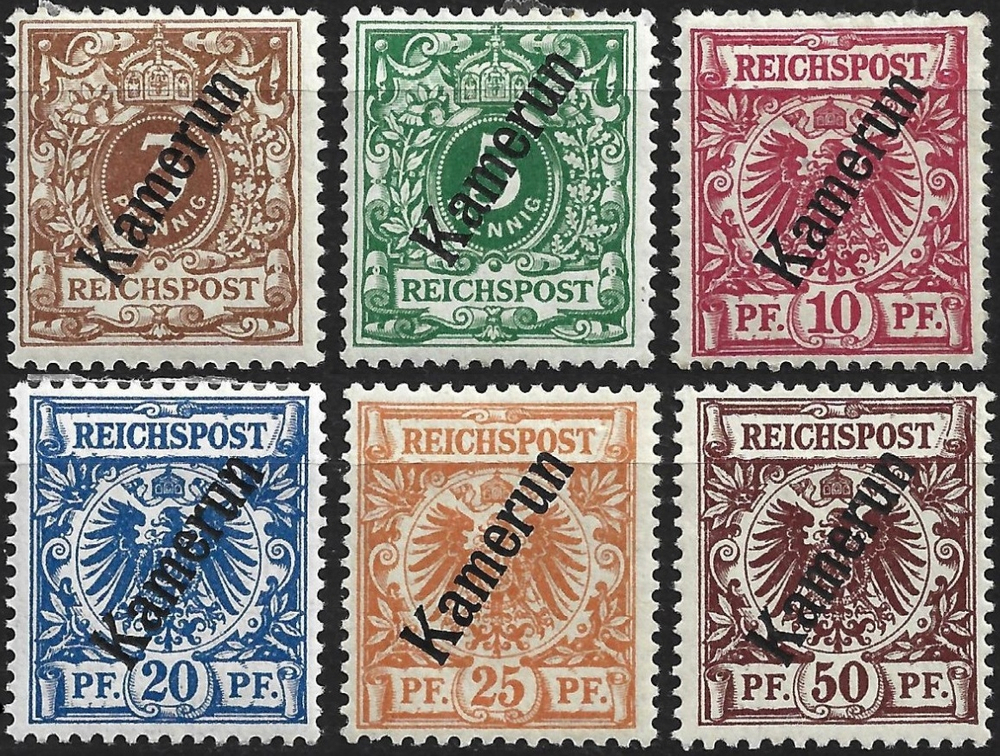
In April 1897, the Imperial Postal Administration issued six German postage stamps overprinted Kamerun for use in the colony.
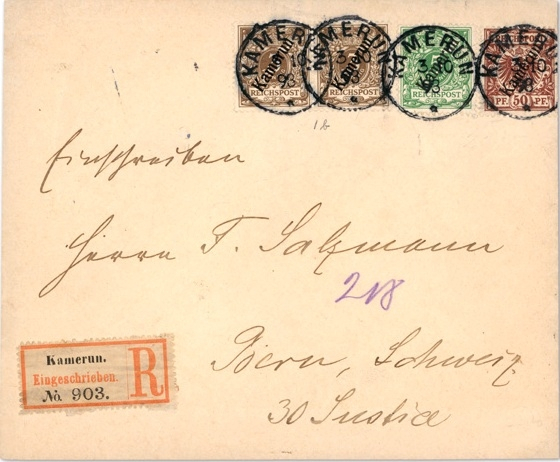
Registered cover sent on 3 October 1898 from Kamerun to Bern.
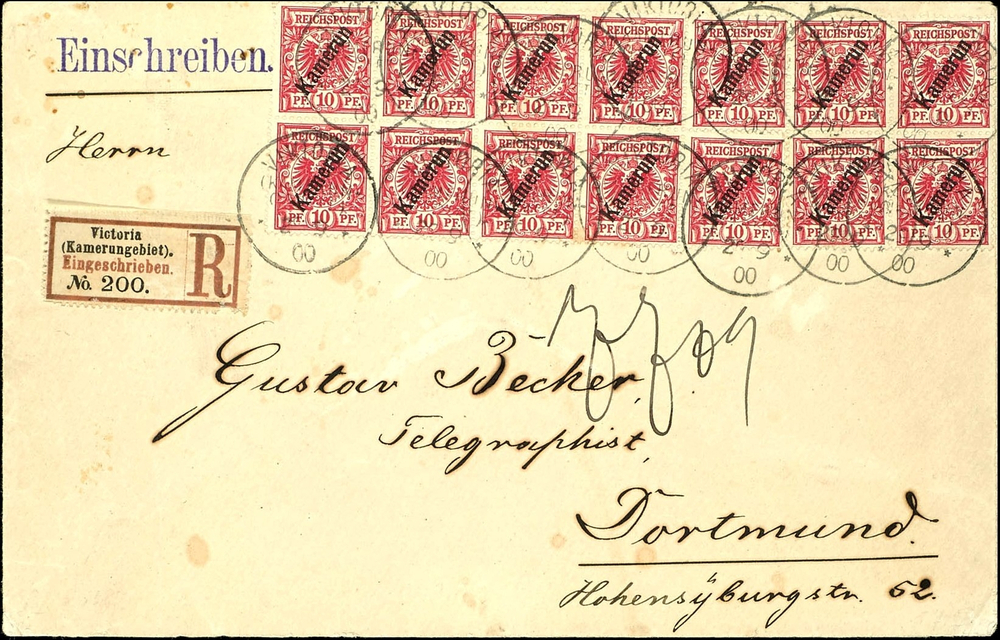
Registered cover sent on 29 September 1900 from Victoria to Dortmund.
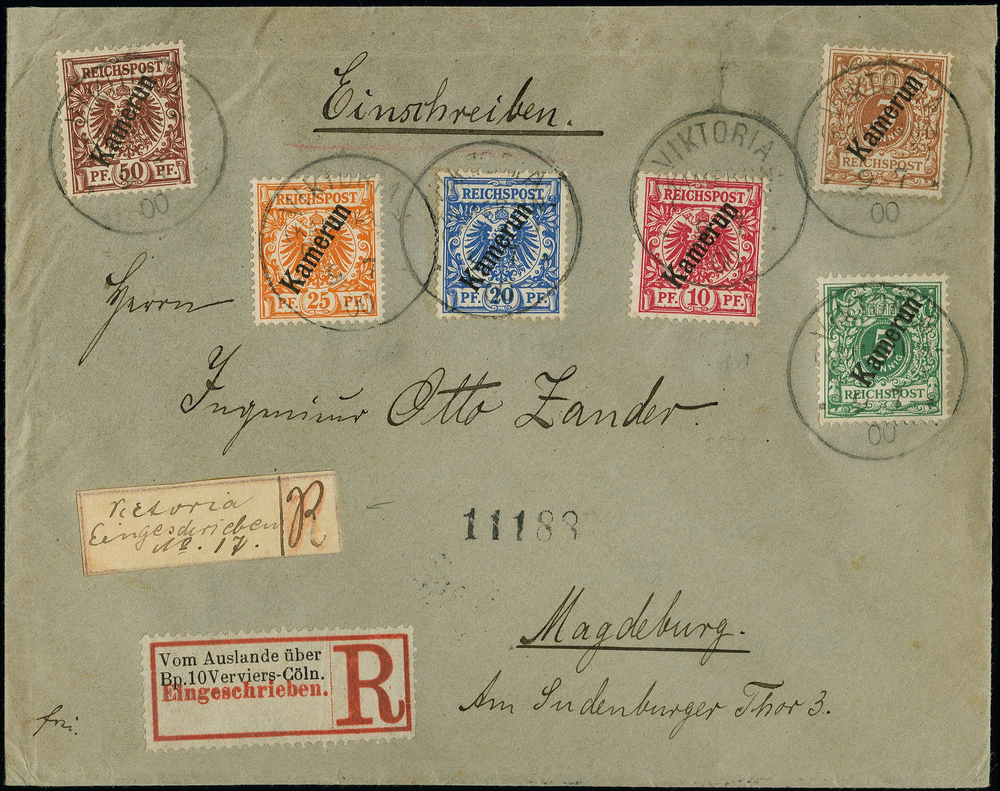
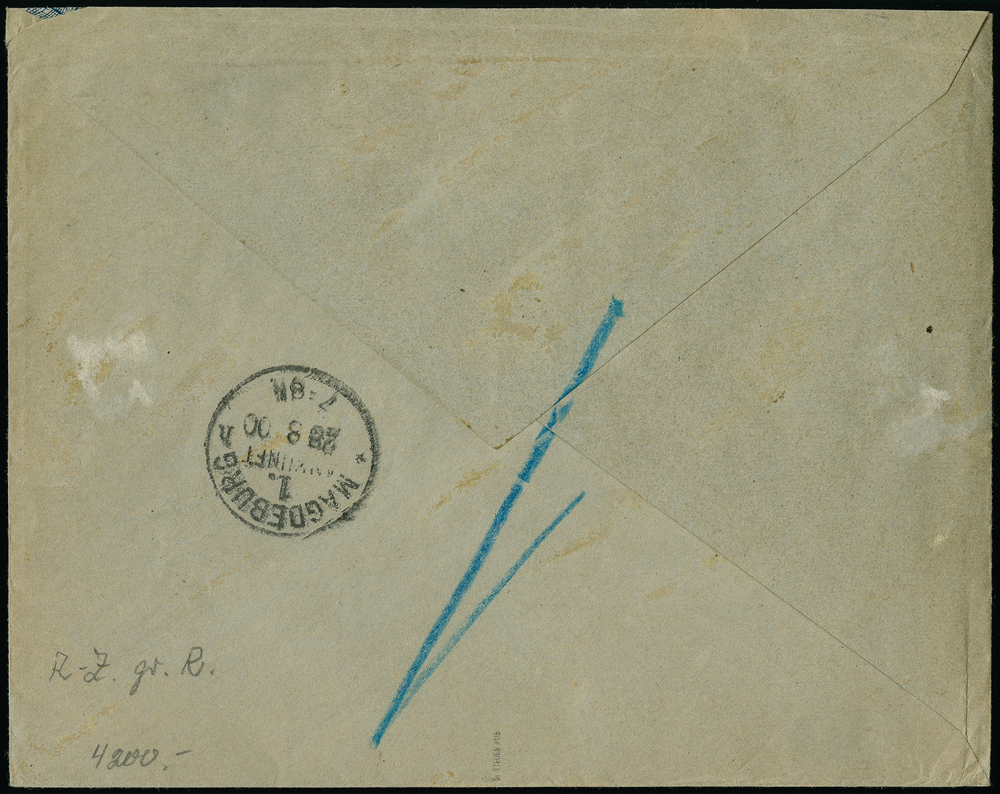
Registered cover sent on 9 July 1900 from Victoria to Magdeburg, with the arrival postmark MAGDEBURG 28 8 00 on the reverse.
SMY (Seiner Majestät Yacht) Hohenzollern was the German imperial yacht in service from 1893 until July 1914. Emperor Wilhelm II used the vessel for ceremonial purposes and state visits.
Built at the AG Vulcan shipyard in Stettin, the yacht was 122 metres long and 14 metres wide. It was powered by two steam engines with a combined output of 9,588 horsepower. Although steam-powered, it was designed as a schooner and carried 436 m² of sail on three masts.
In June 1914, the yacht participated in the Kiel Regatta, and the last state banquet on board was held on 25 June. Following the outbreak of the First World War, the vessel was taken out of service in Kiel at the end of July 1914.
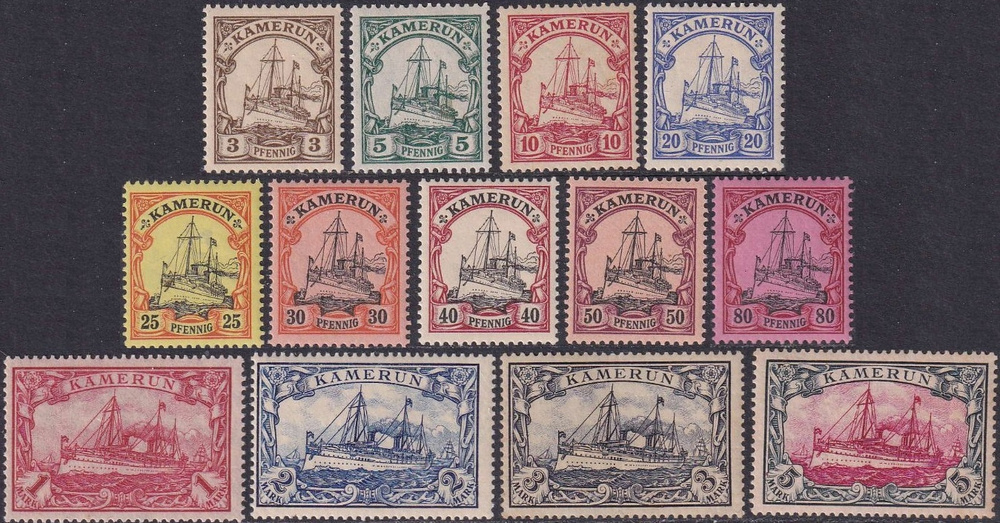
The image of this ship was featured on German colonial postage stamps.
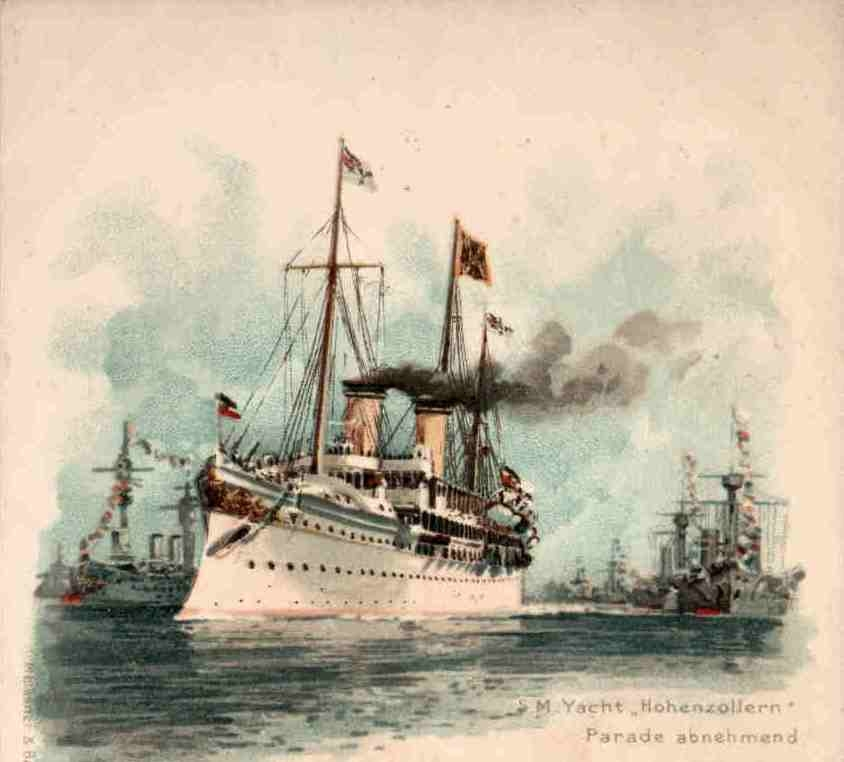
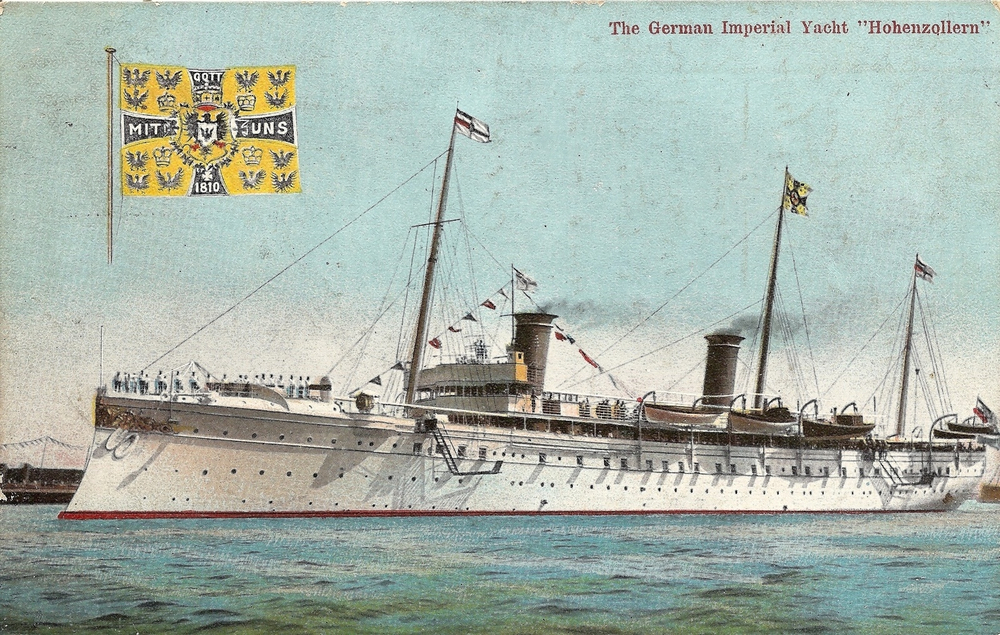
SMY Hohenzollern.
In November 1900, definitive postage stamps of the common colonial design, inscribed KAMERUN, were issued.
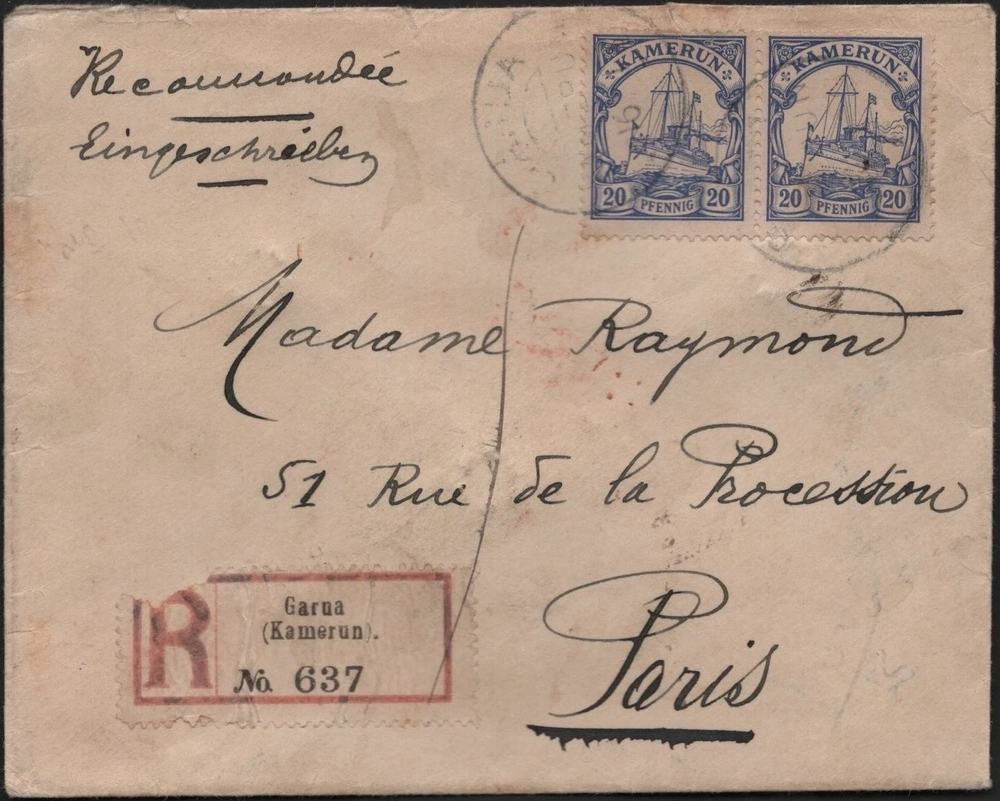
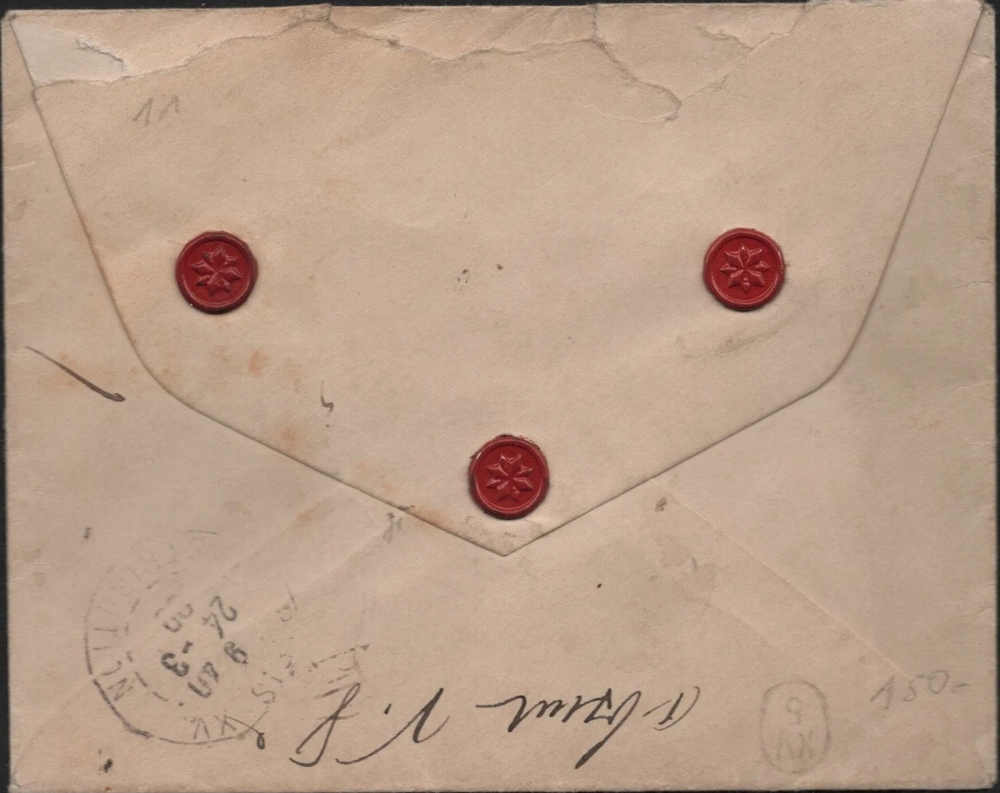
Registered cover sent on 16 January 1900 from Garua to Paris, with the arrival postmark PARIS XV 24 -3 00 on the reverse.
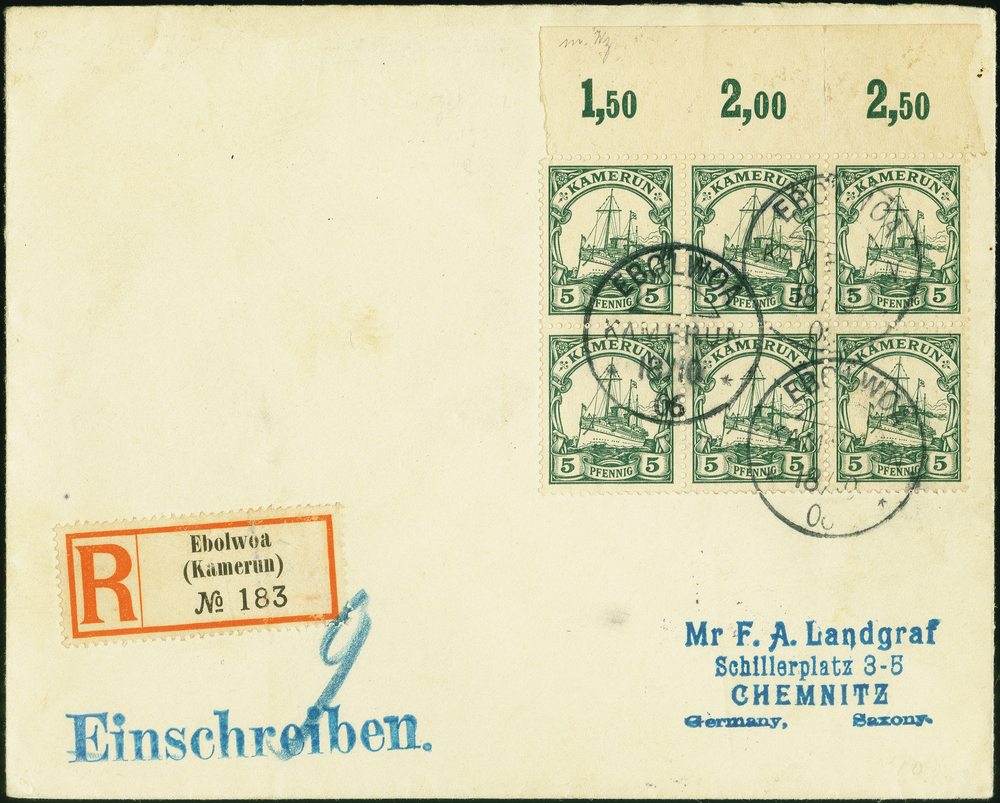
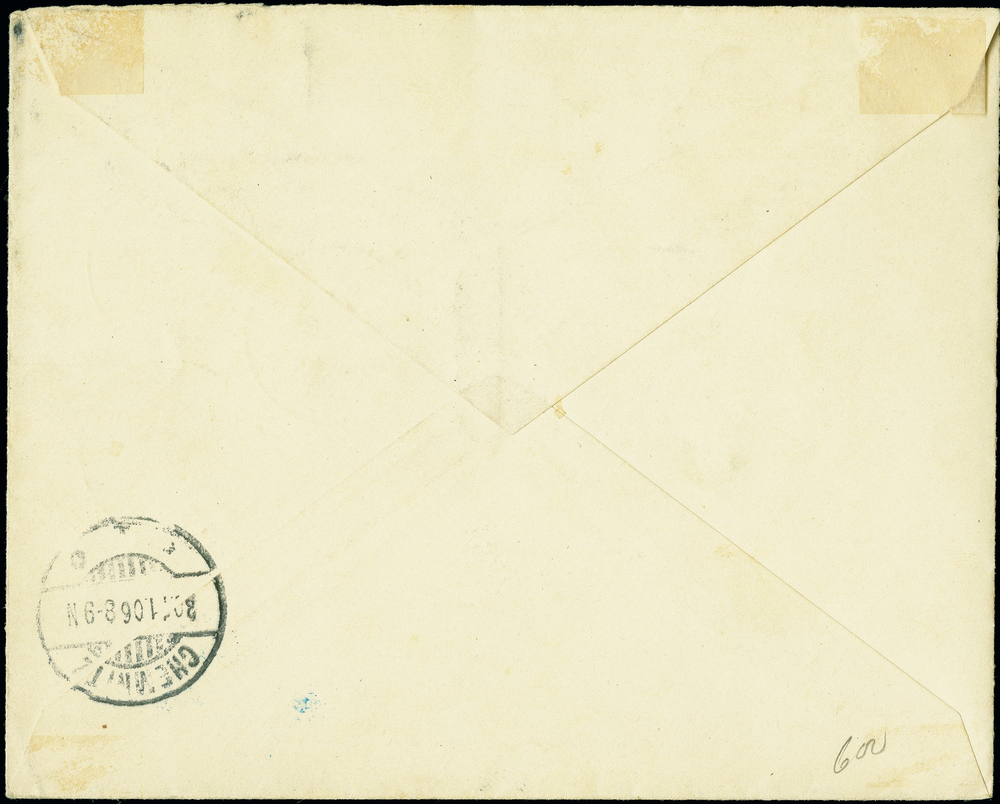
Registered cover sent on 18 October 1906 from Ebolwoa to Chemnitz, with the arrival postmark CHEMNITZ 30. 11. 06 on the reverse.
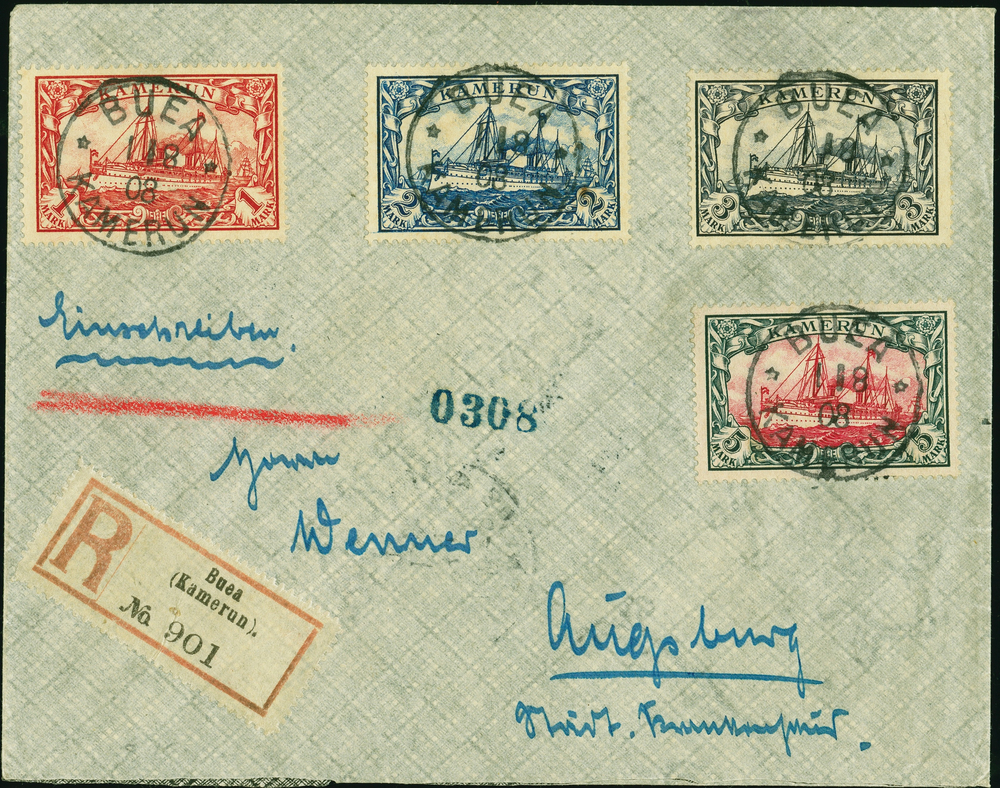
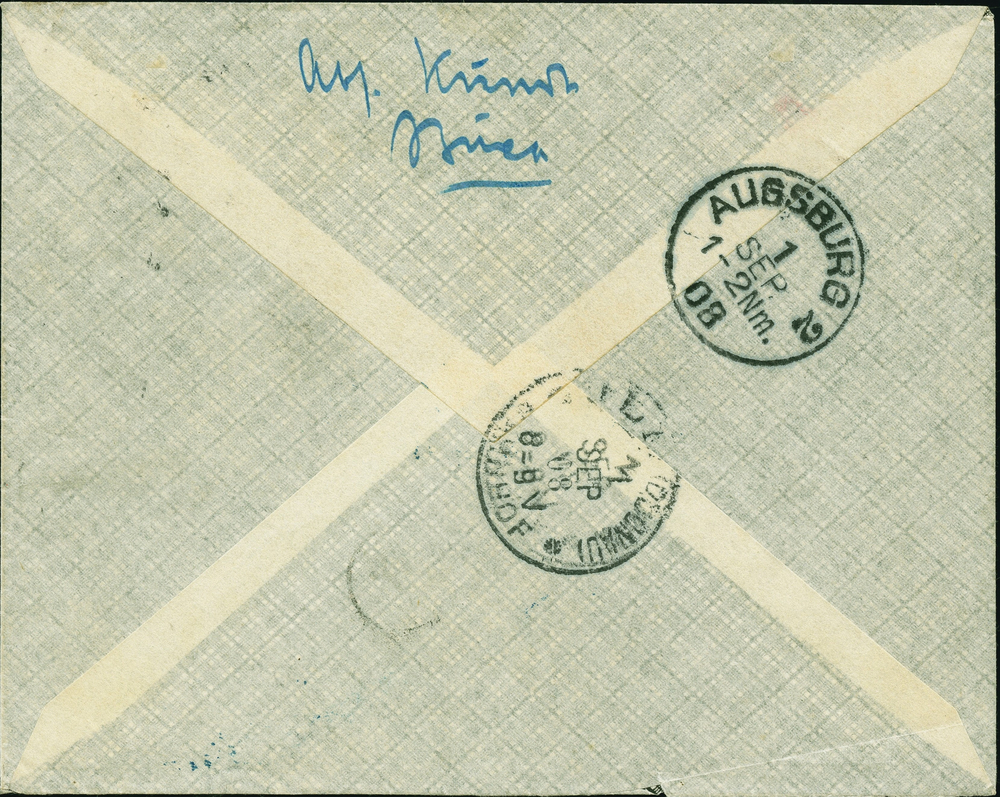
Registered cover sent on 11 August 1908 from Buea to Augsburg, with the arrival postmark AUGSBURG 1 SEP 08 on the reverse.
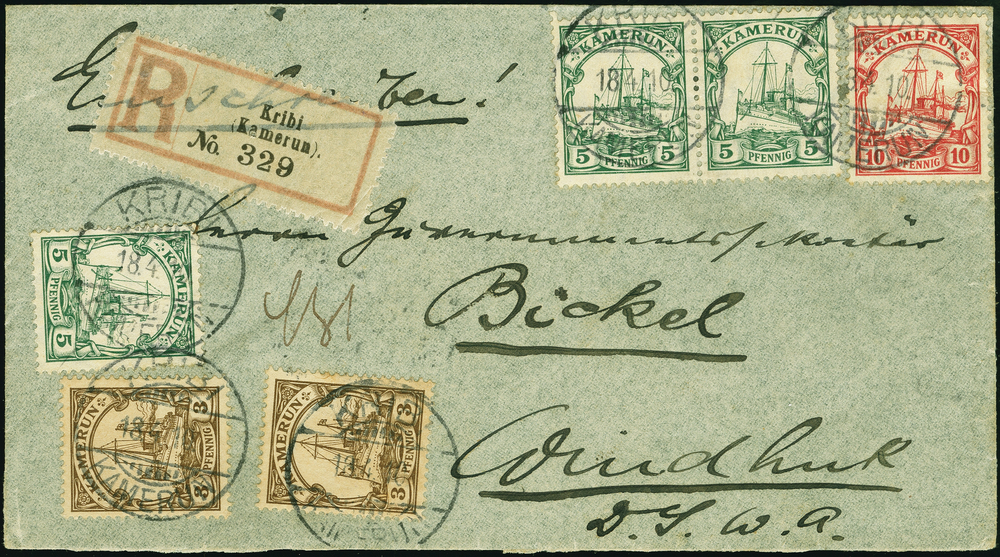
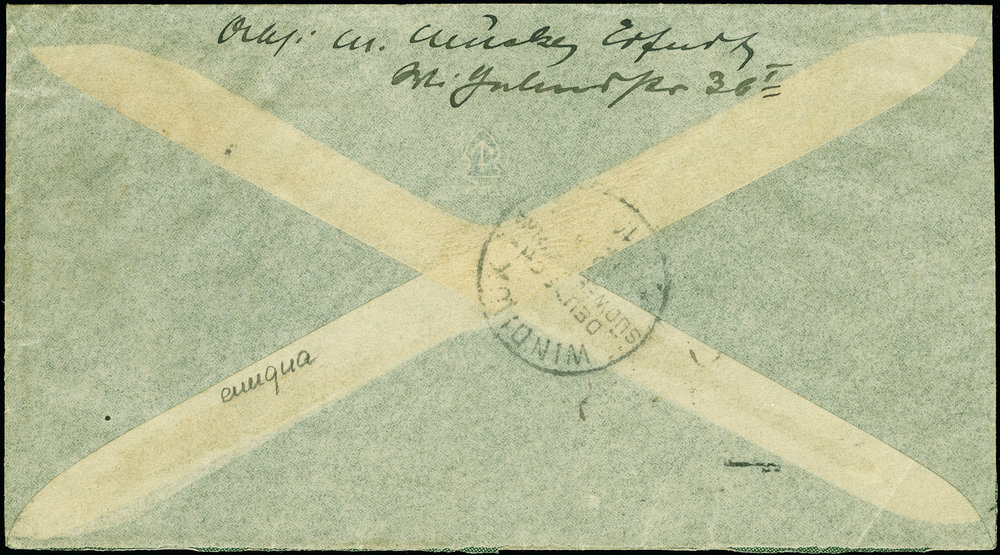
Registered cover sent on 18 April 1910 from Kribi to Windhoek, then part of German South West Africa (present-day Namibia), with a WINDHUK arrival postmark on the reverse.
Longji (Londgi) is a small coastal village near the town of Kribi.
On 19 May 1911, owing to a shortage of 10-pfennig stamps, the postmaster vertically bisected a 20-pfennig stamp. After the bisected stamp had been affixed to the envelope, a negative official post office handstamp was applied alongside it.
Although covers bearing these bisected stamps were carried without objection, the practice was officially reprimanded.
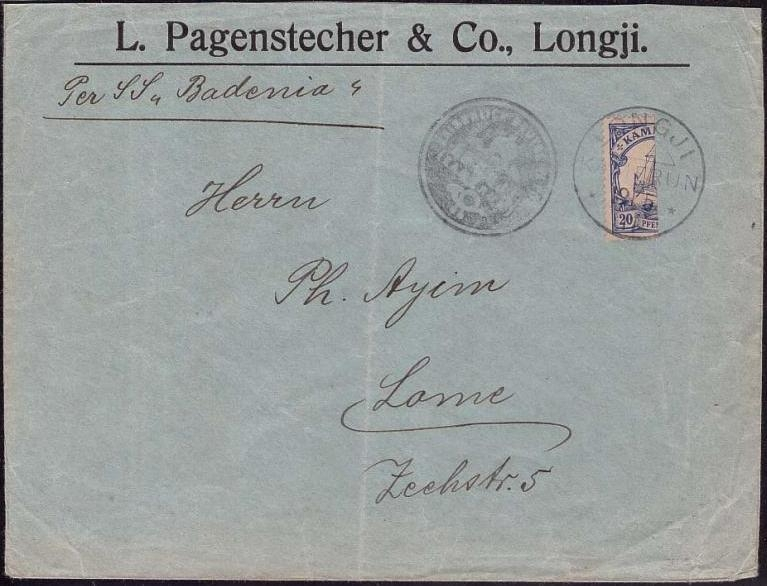
Cover sent on 19 May 1911 from Longji to Lomé, Togo.
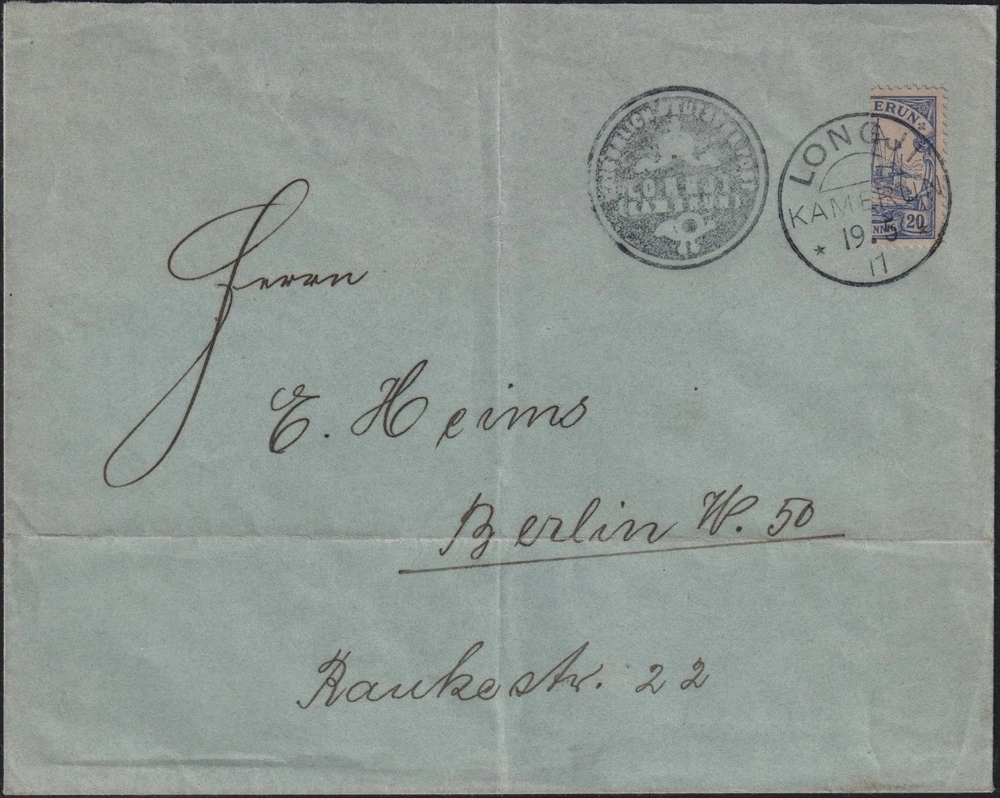
Cover sent on 19 May 1911 from Longji to Berlin.
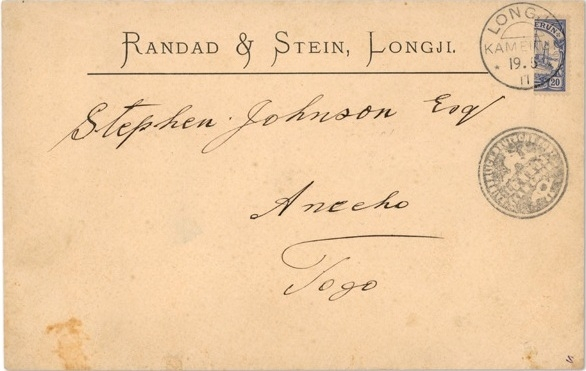
Cover sent on 19 May 1911 from the firm Randad & Stein in Longji to Anecho, Togo.
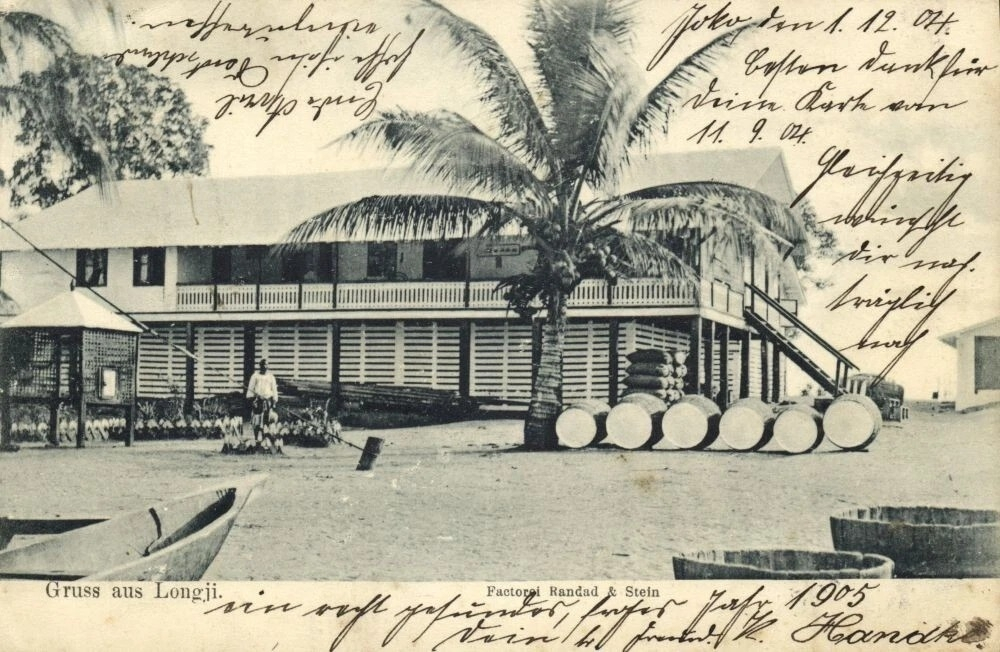
Postcard from 1905 depicting the Randad & Stein factory.
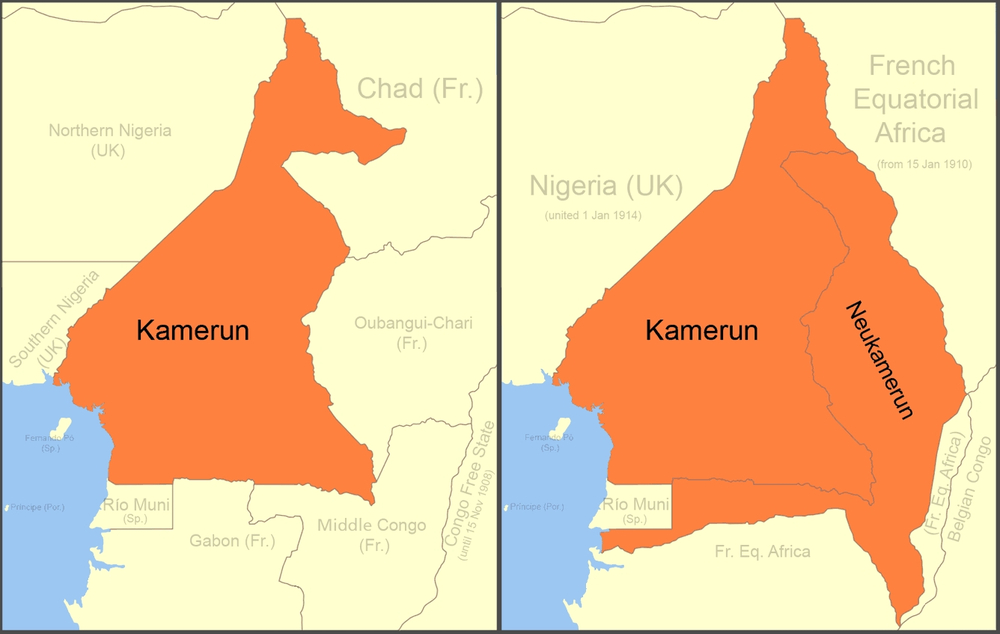
In 1911, the Agadir Crisis broke out over the question of French influence in Morocco. France and Germany agreed to enter into negotiations on 9 July 1911 and signed an agreement on 4 November. In exchange for recognising French rights in Morocco, Germany received extensive territories from French Equatorial Africa. As a result, the colony expanded from 465,000 km² to 760,000 km². The newly acquired territories became known as Neukamerun (New Cameroon).
This territorial change was not reflected in postage stamp issues, and ordinary Kamerun stamps continued to be used.
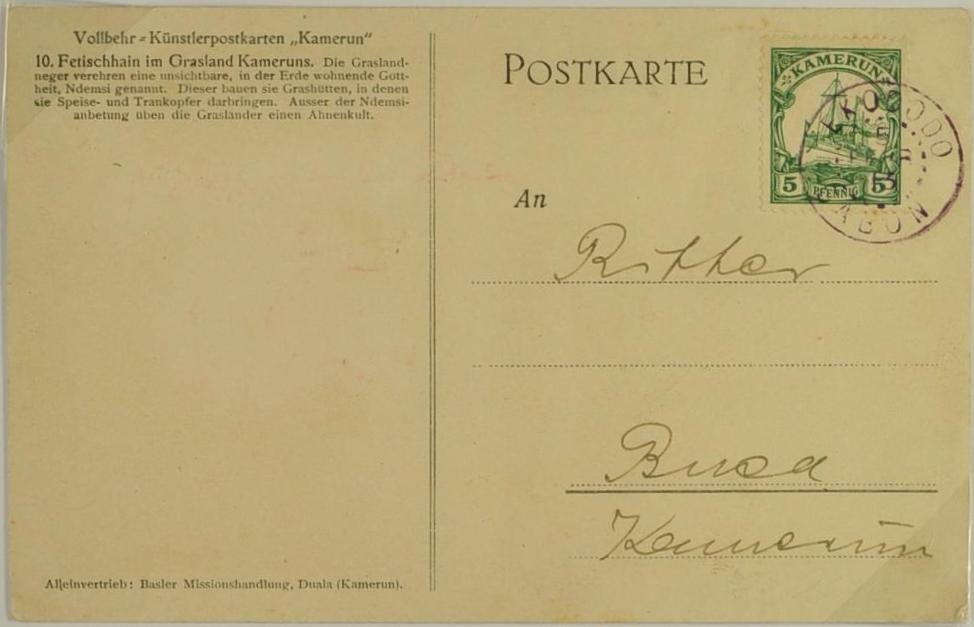
Postcard sent on 15 February 1913 from Ekododo to Buea, bearing the French postmark EKODODO 5 FEVR 13 GABON. Ekododo is a settlement on the Temboni River in present-day Gabon.
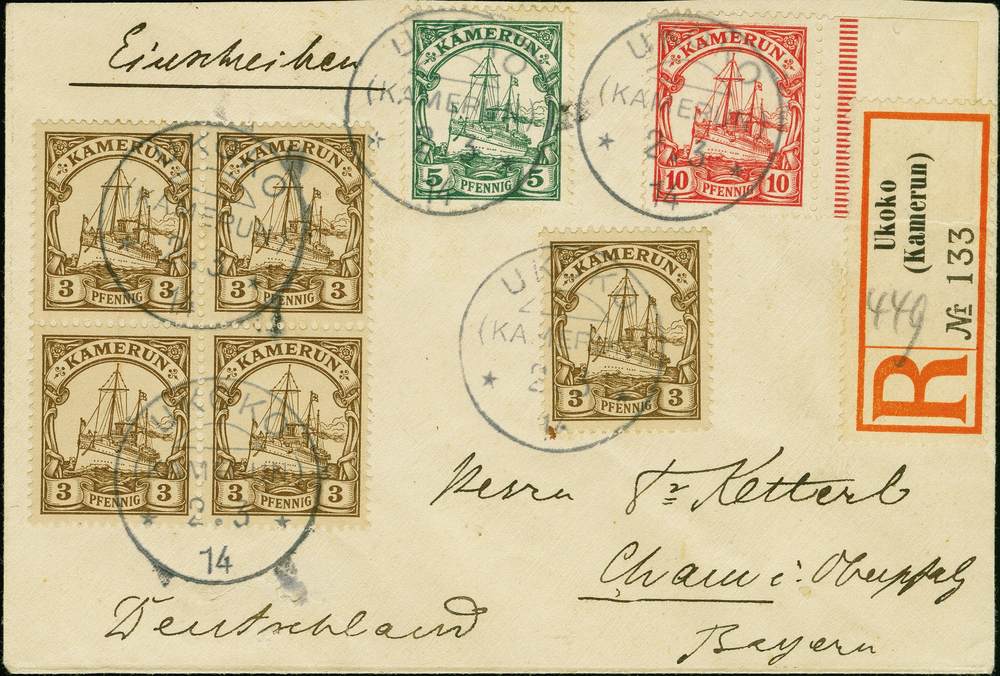
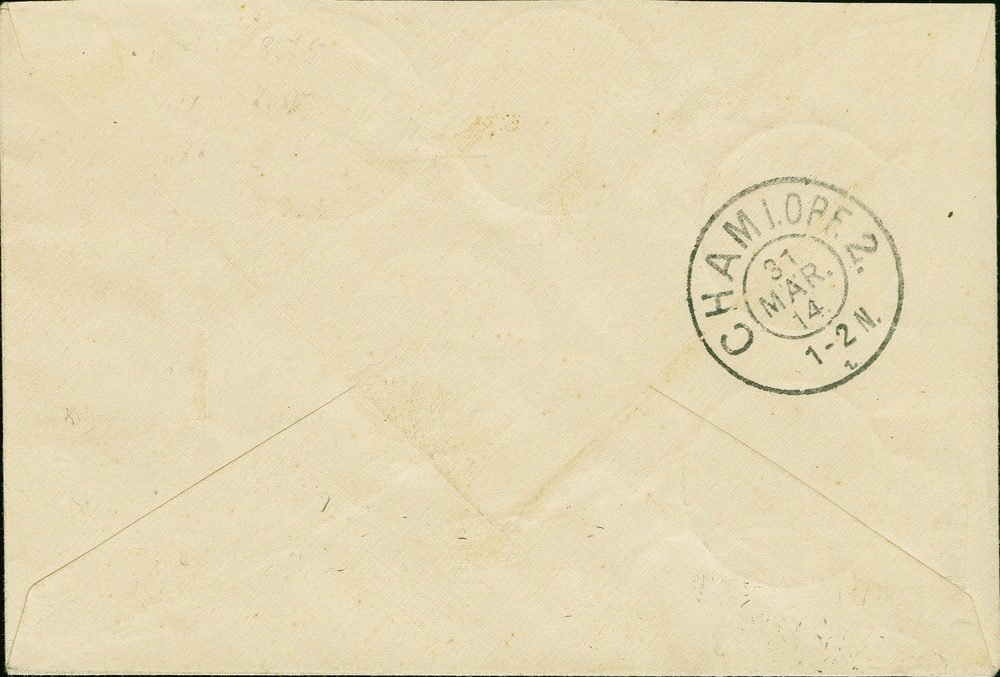
Registered cover sent on 2 March 1914 from Ukoko to Cham, Bavaria, with the arrival postmark CHAM 31 MAR. 14 on the reverse. Ukoko is the coastal town of Cocobeach in present-day Gabon.
In 1914, a series of proposed coats of arms and flags was designed for the German colonies.
First World War broke out before these designs could be implemented, and the proposed symbols were never officially used.
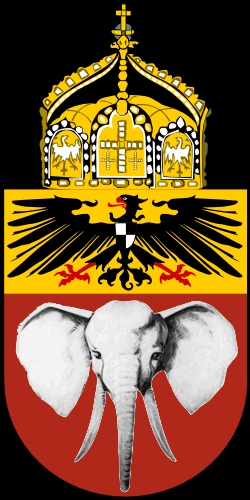
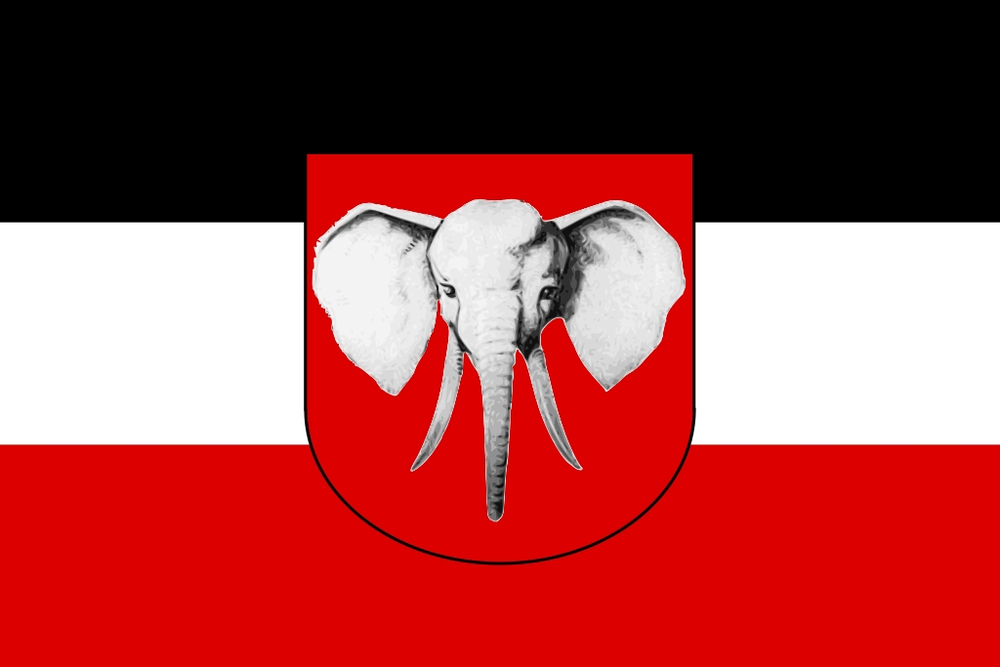
Proposed coat of arms and flag of Kamerun.
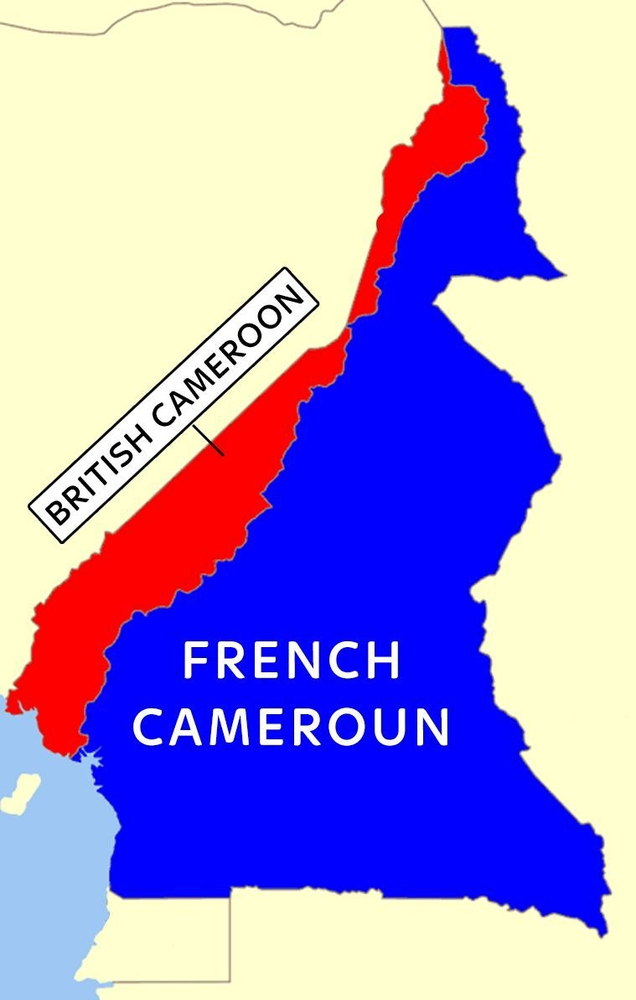
The First World War broke out on 28 July 1914. At the beginning of the war, French and British colonial forces invaded Kamerun, eventually occupying the entire territory and dividing it into two regions. As the British were more interested in other parts of Africa, France obtained the larger share of Kamerun.
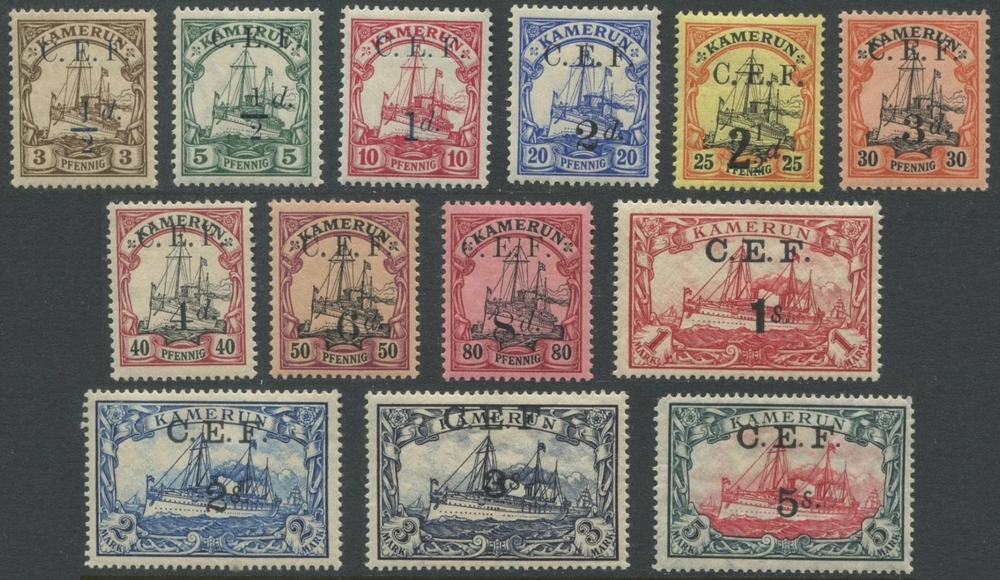
In 1915, the British administration issued captured German Kamerun postage stamps overprinted with the initials C. E. F. (Cameroons Expeditionary Forces) and new denominations in British currency.
These stamps were used for postage, later in combination with stamps of Lagos, Northern and Southern Nigeria, or unified Nigeria.
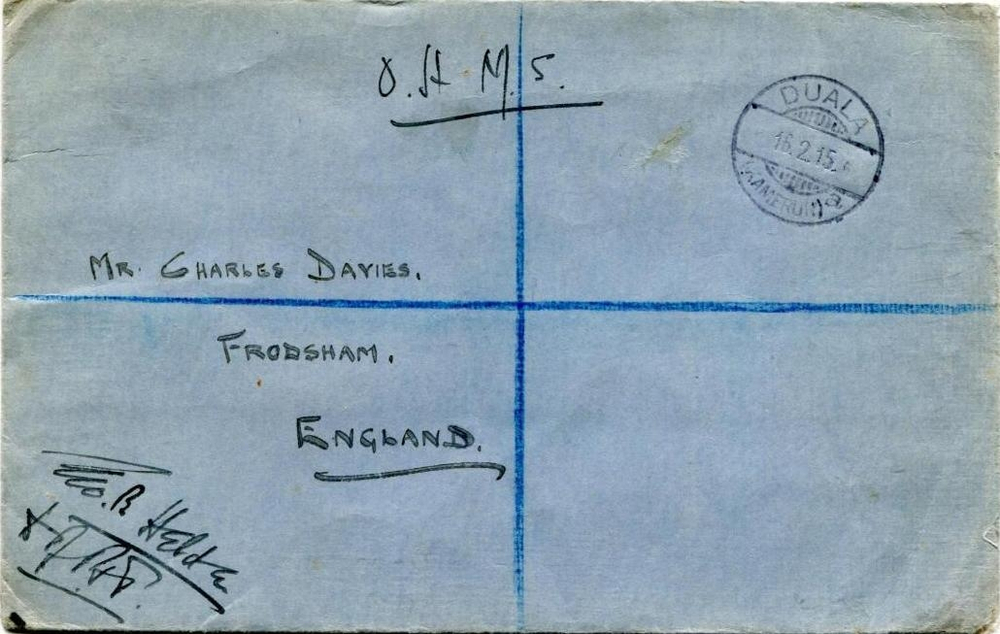
Postage-free official cover sent on 16 February 1915 from Douala to Frodsham, England, marked O. H. M. S. (On His Majesty's Service). A German circular date stamp was used; such postmarks remained in use for several years.
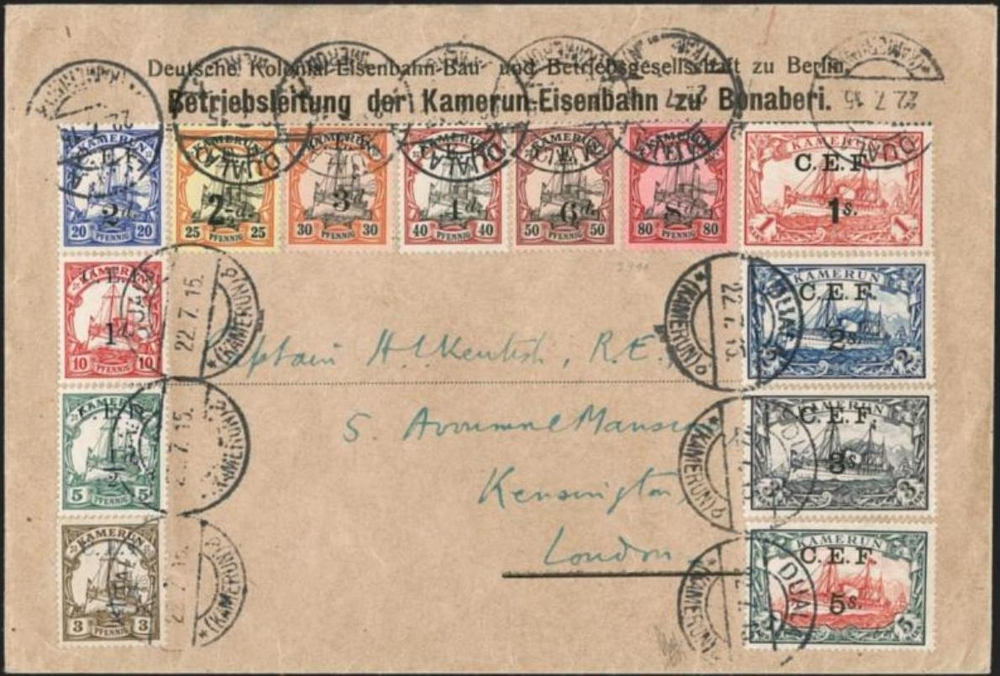
Philatelically inspired cover sent on 22 July 1915 from Douala to London.
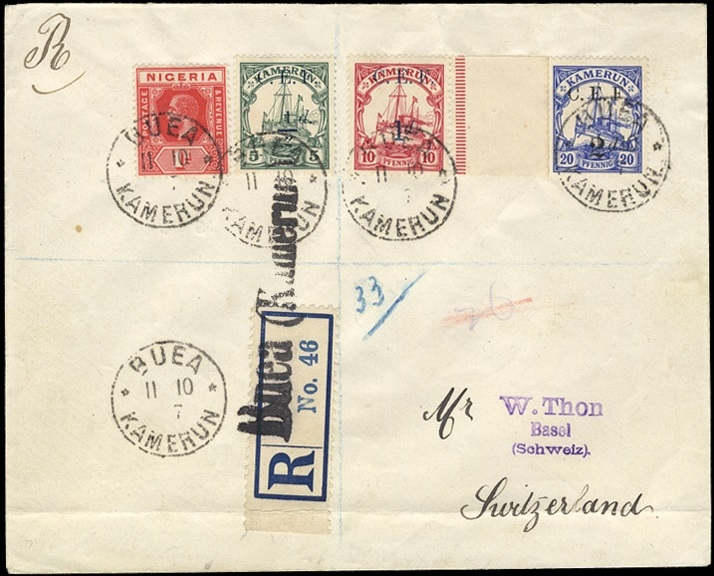
Registered cover sent on 11 October 1917 from Buea to Basel, Switzerland.
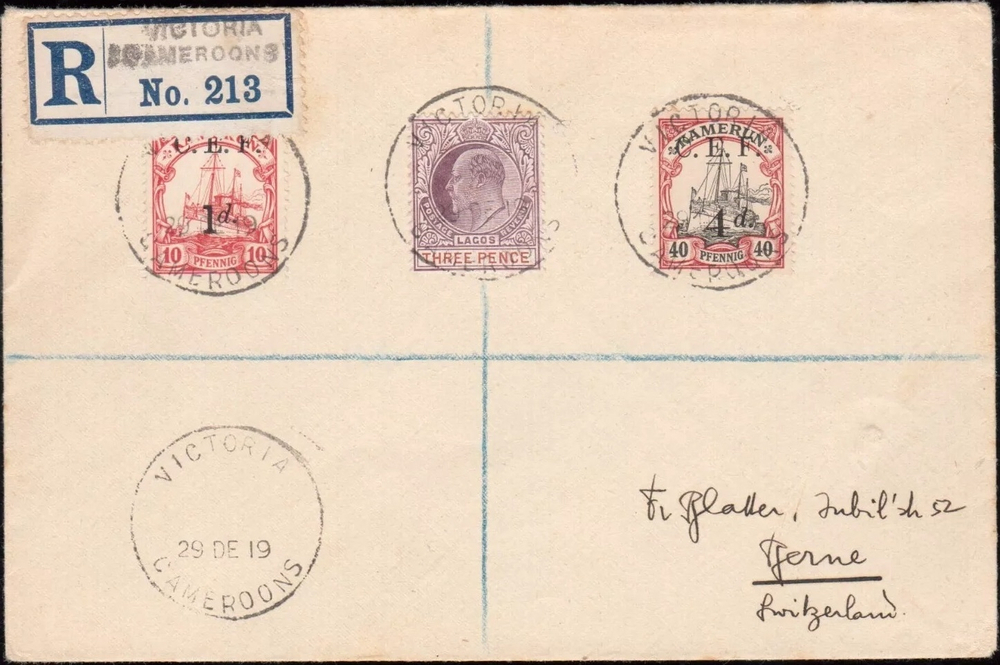
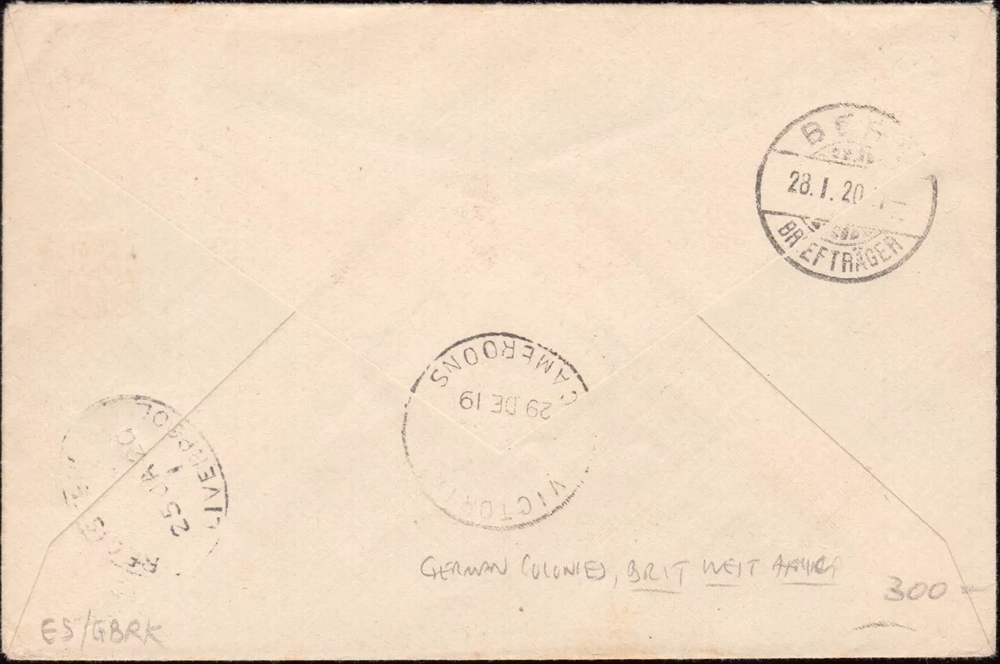
Registered cover sent on 29 December 1919 from Victoria to Bern, Switzerland, with the oval transit marking REGISTERED LIVERPOOL 25 JA 20 and the arrival postmark BERN 28. I. 20 on the reverse.
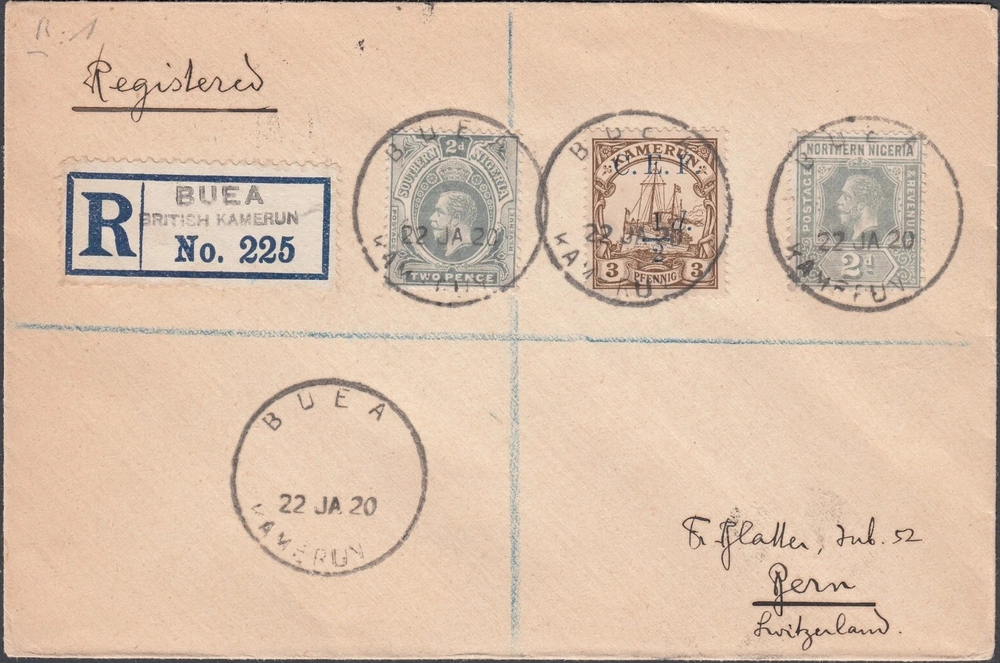
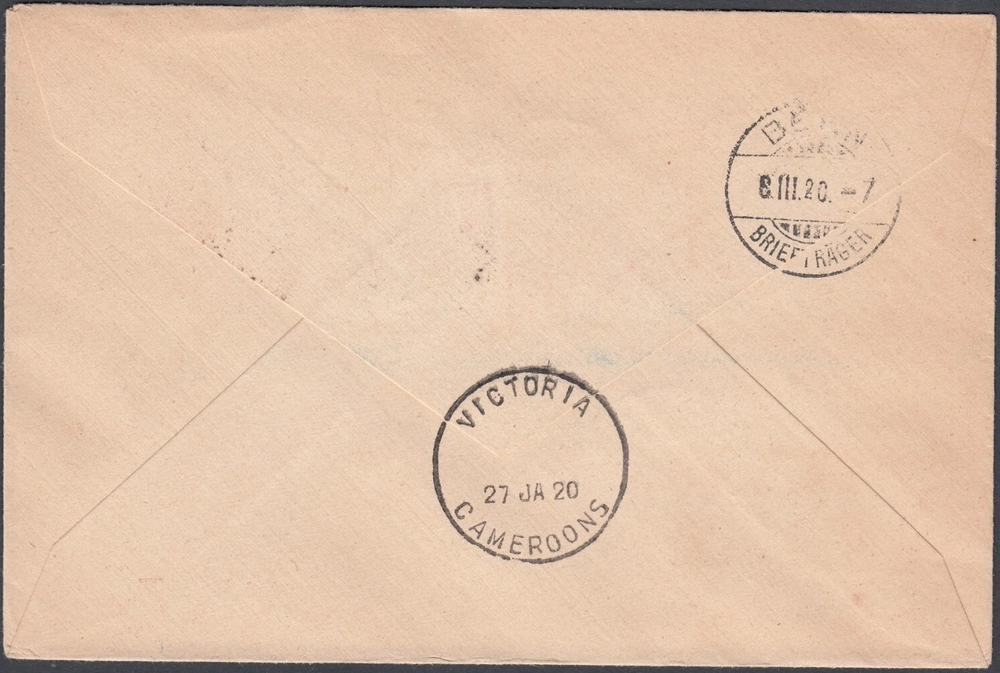
Registered cover sent on 22 January 1920 from Buea to Bern, Switzerland, with the transit postmark VICTORIA 27 JA 20 and the arrival postmark BERN 8. III. 20 on the reverse.
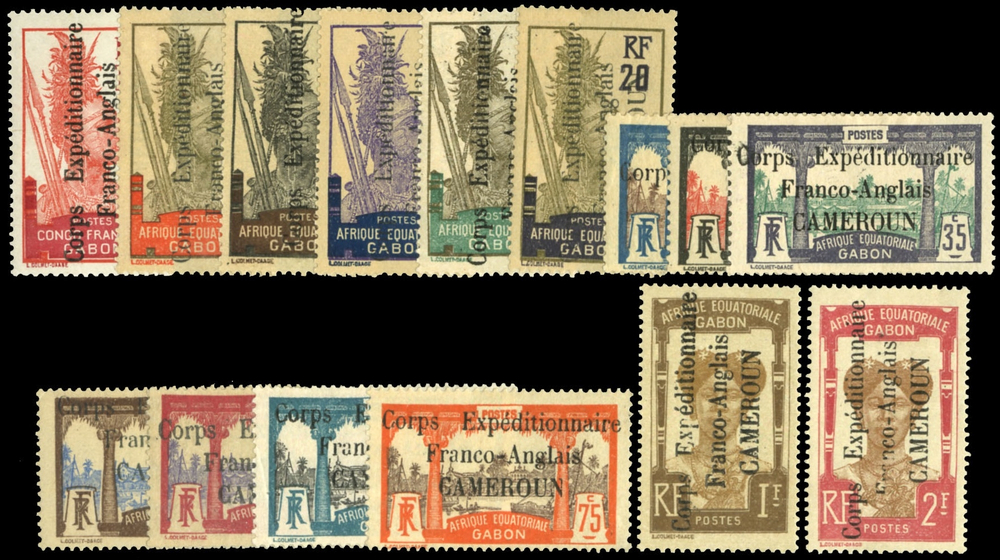
On 10 November 1915, the French administration issued stamps of Gabon overprinted “Corps Expéditionnaire Franco-Anglais CAMEROUN”.
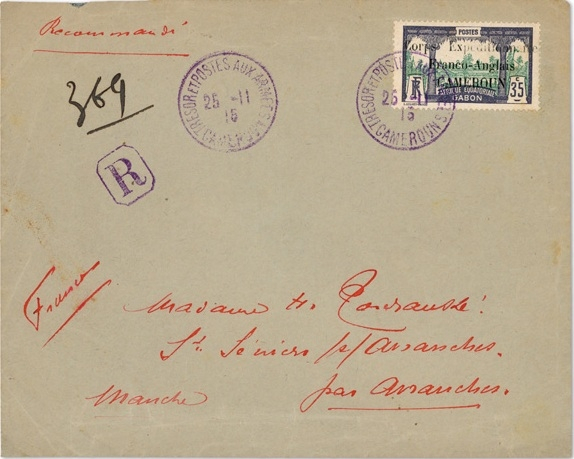
Registered cover sent on 25 November 1915 by French military post (TRESOR ET POSTES AUX ARMEES CAMEROUN) to Avranches (Manche department), France.
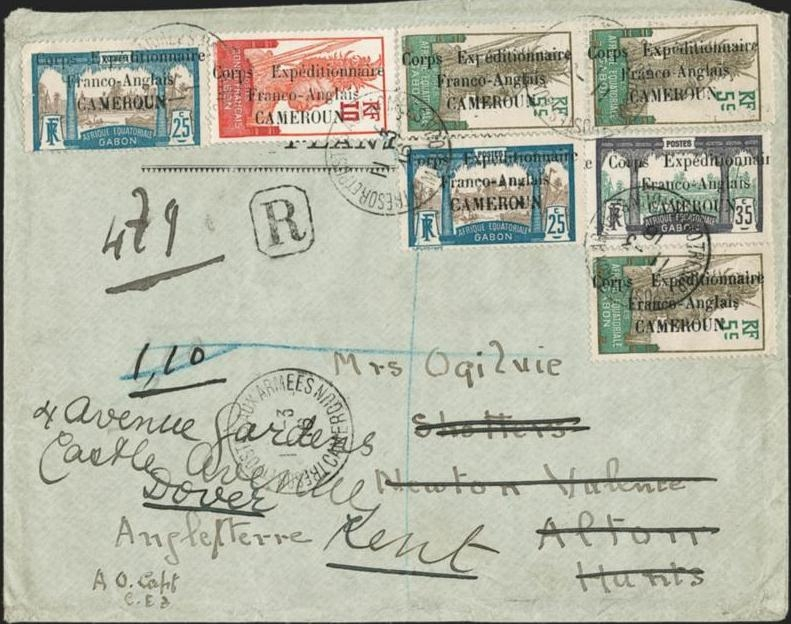
Registered cover sent on 11 March 1916 by French military post to Alton, England, and forwarded to Dover.
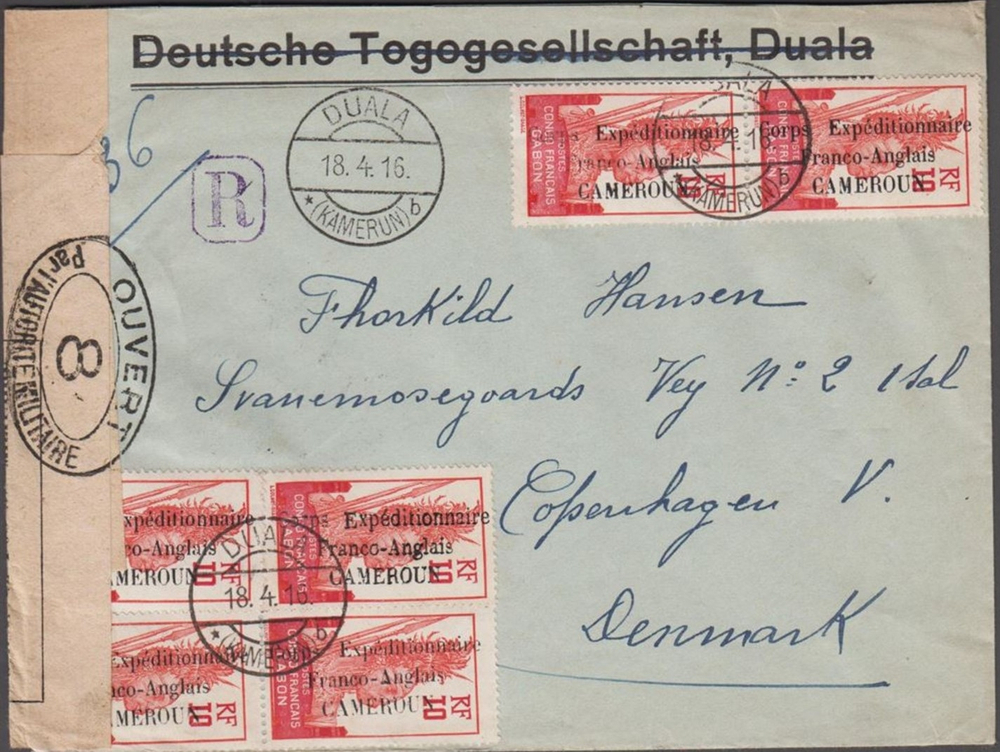
Registered cover sent on 18 April 1916 from Douala to Copenhagen, Denmark, sealed with a censorship tape bearing the marking OUVERT Par l’AUTORITÉ MILITAIRE.
In January 1916, stamps of Middle Congo and French Congo were issued with the overprint “Occupation Francaise du Cameroun”, followed by stamps of Middle Congo overprinted “CAMEROUN Occupation Francaise”.
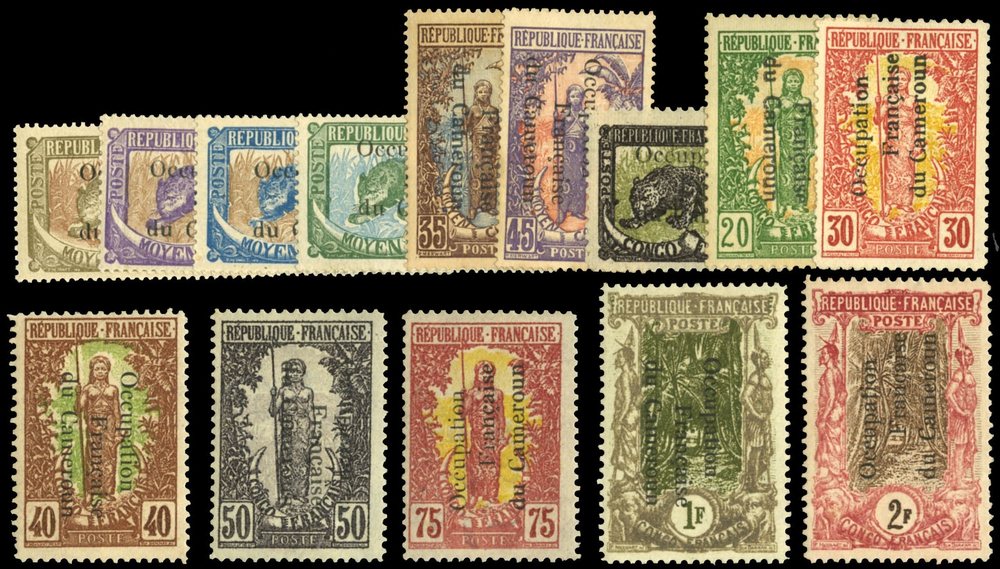
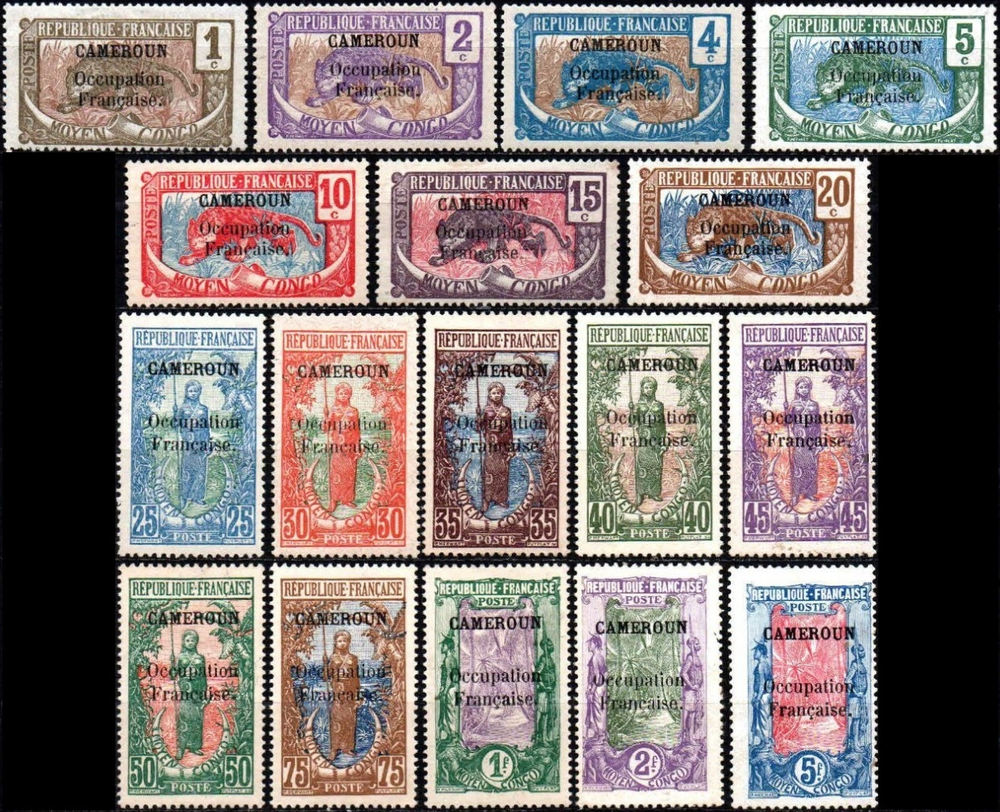
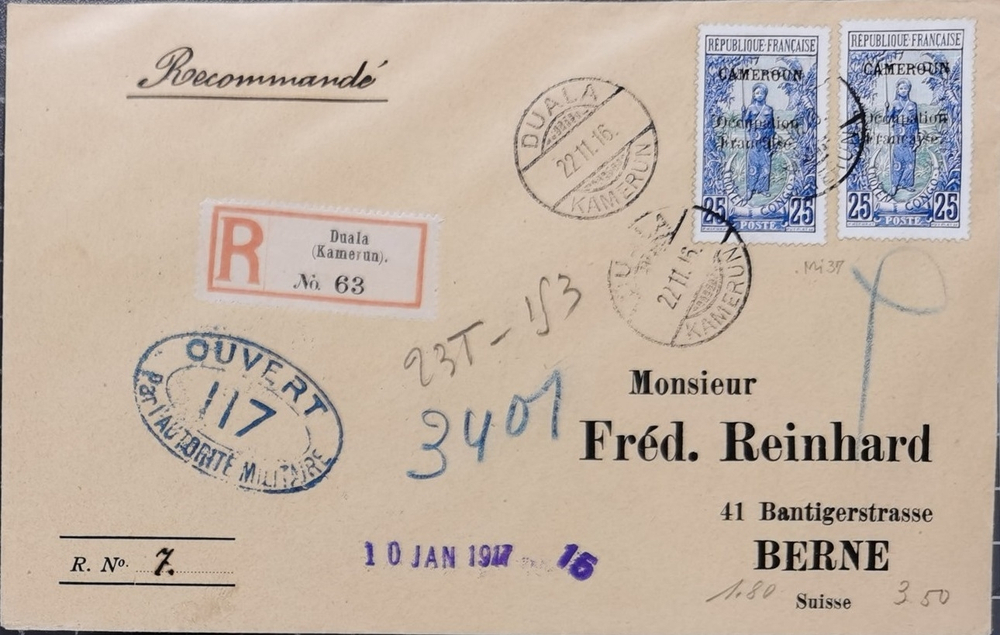
Registered cover sent on 22 November 1916 from Douala to Bern, bearing an oval military censorship cachet OUVERT Par l’AUTORITÉ MILITAIRE on the front.
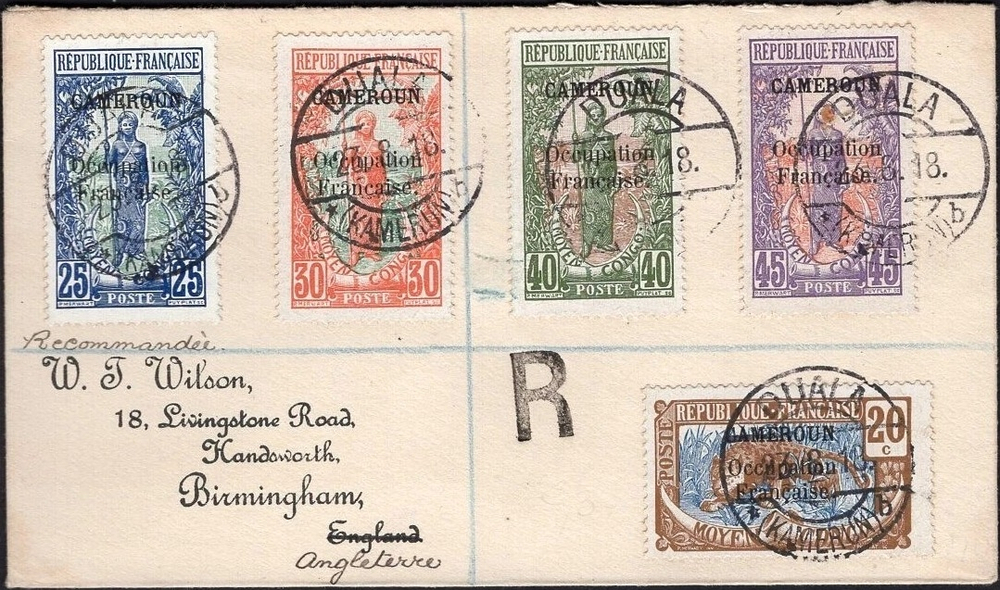
Registered cover sent on 23 August 1918 from Douala to Birmingham.
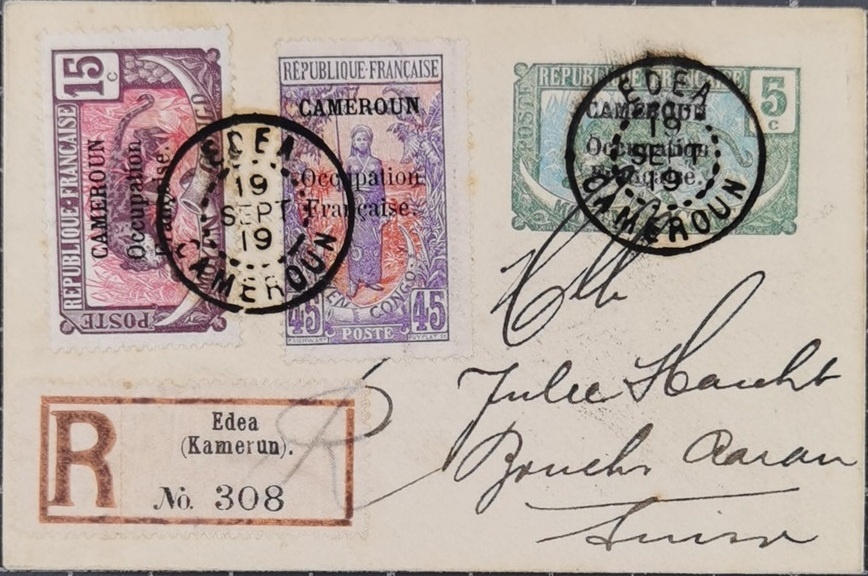
Registered cover sent on 19 September 1919 from Edea to Switzerland.
Following Germany's defeat, the Treaty of Versailles led to the division of the territory into two League of Nations mandates in 1920, administered by the United Kingdom and France.
The British mandate was administered as two territories, Northern Cameroons and Southern Cameroons.
The French mandate was known as Cameroun and comprised most of the former German territory.
After the Second World War, both mandated territories became United Nations Trust Territories.
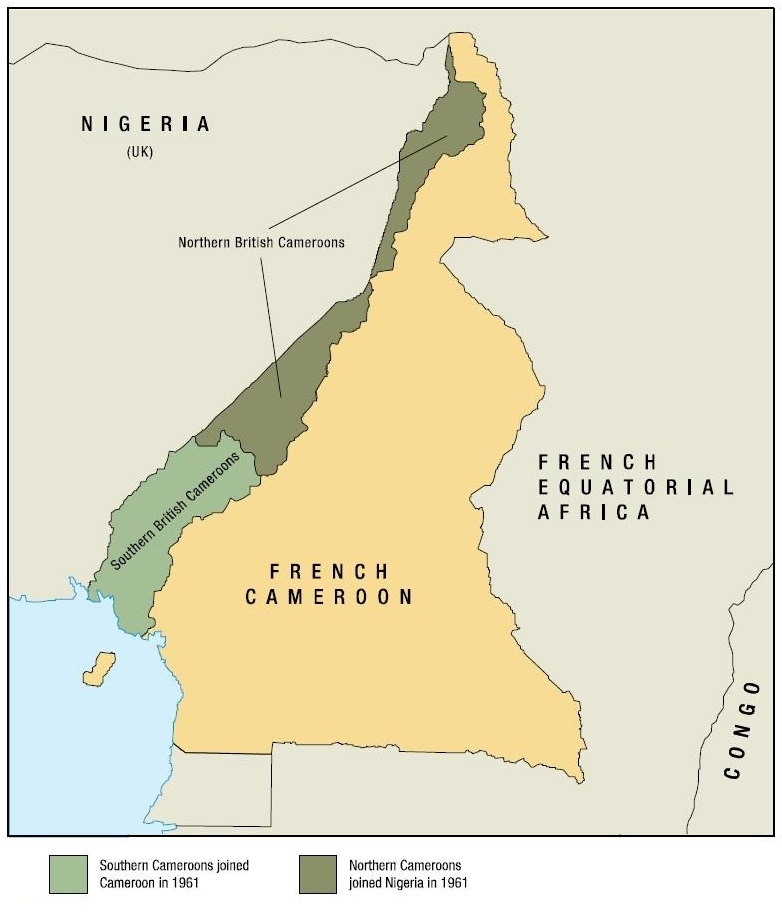
Map of Cameroon, 1919–1961
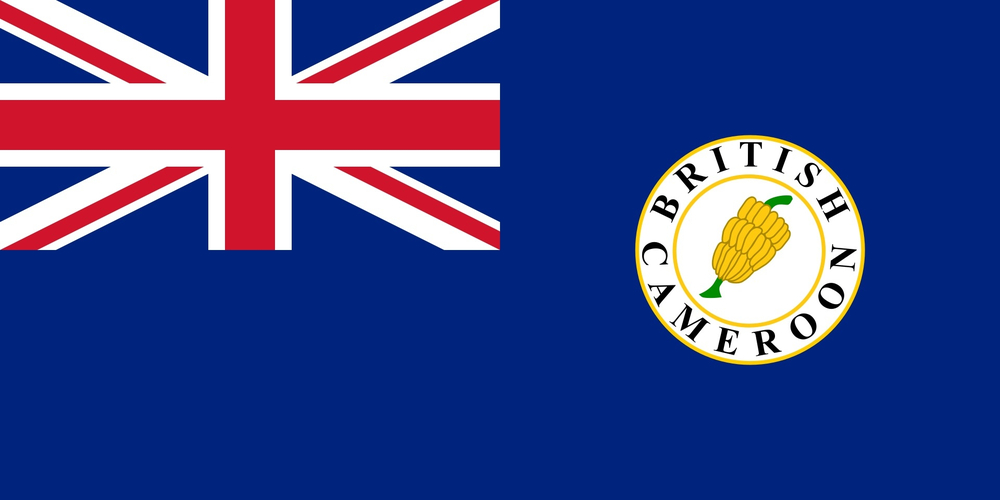

Flag and coat of arms of the British Mandate.
Britain offered the former German plantations for sale to the highest bidders, intending to use the proceeds towards First World War reparations. However, few investors were willing to purchase them through the London markets, and most plantations were eventually sold back to their original German owners. African seaports were also reopened to German trade.
The British administered their territory from neighbouring Nigeria and used Nigerian postage stamps for franking mail.
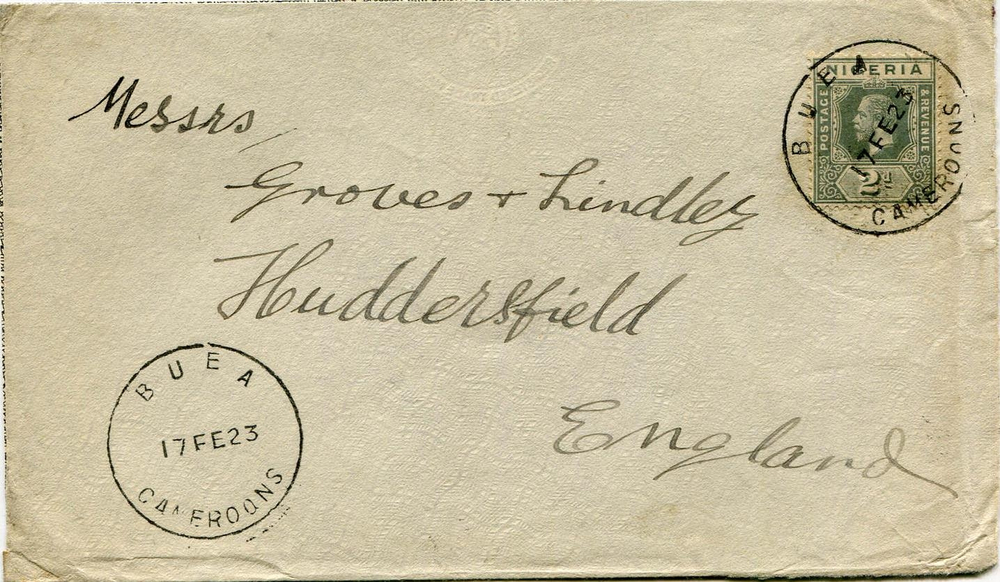
Cover sent on 17 February 1923 from Buea to Huddersfield.
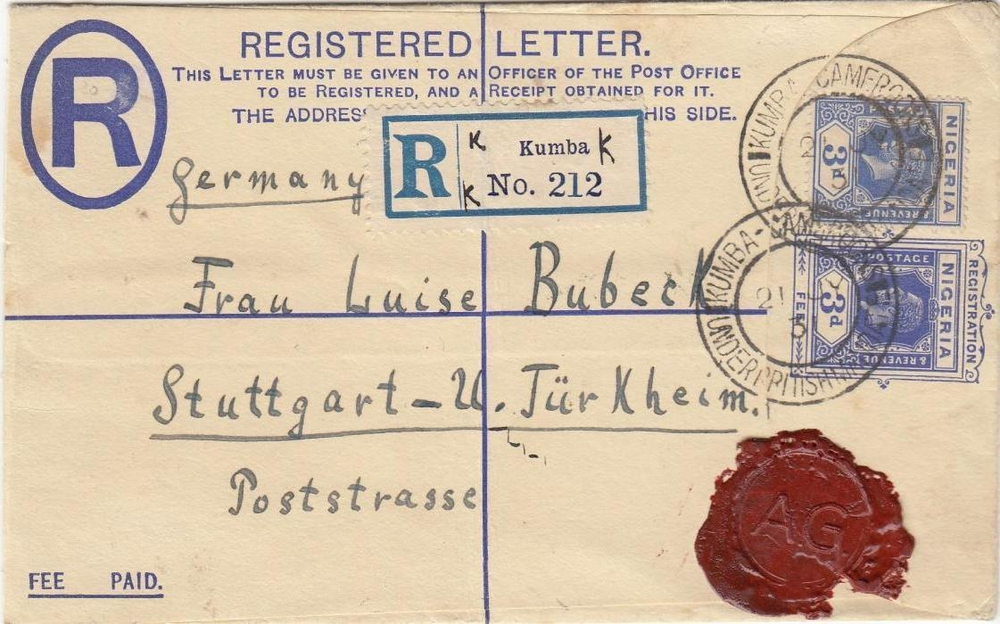
Registered cover sent on 21 July 1931 from Kumba to Stuttgart, using a postal stationery registered envelope with an imprinted registration stamp, cancelled with the mandate postmark KUMBA – CAMEROONS UNDER BRITISH MANDATE.
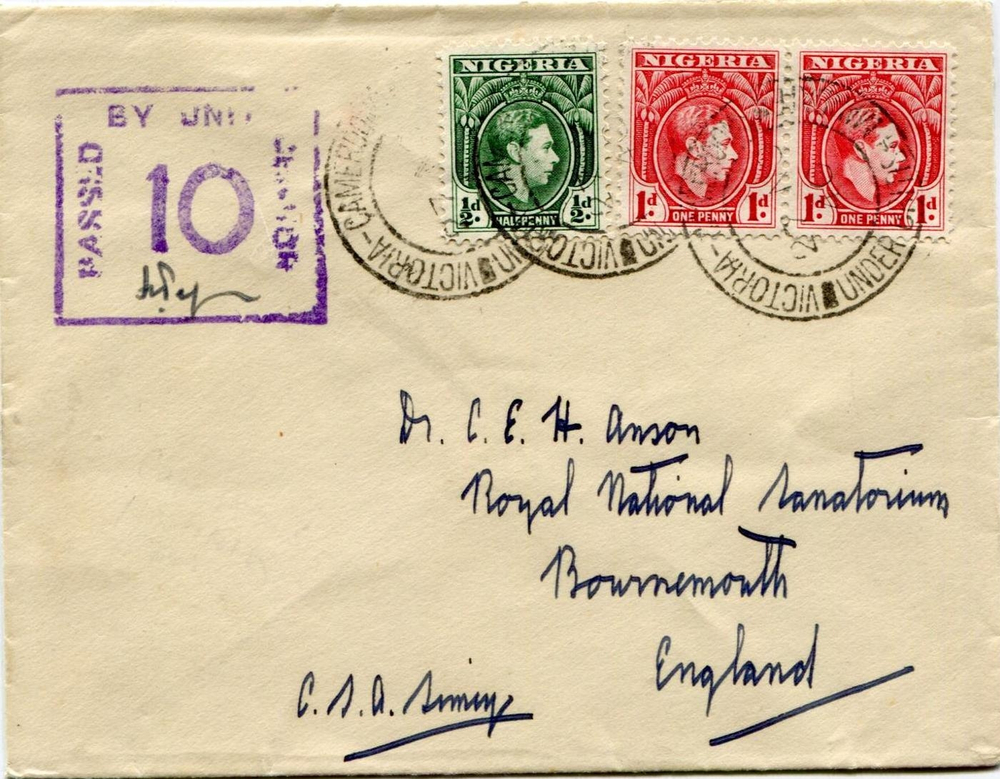
Cover sent on 27 November 1940 from Victoria to Bournemouth, subjected to wartime censorship during the Second World War.
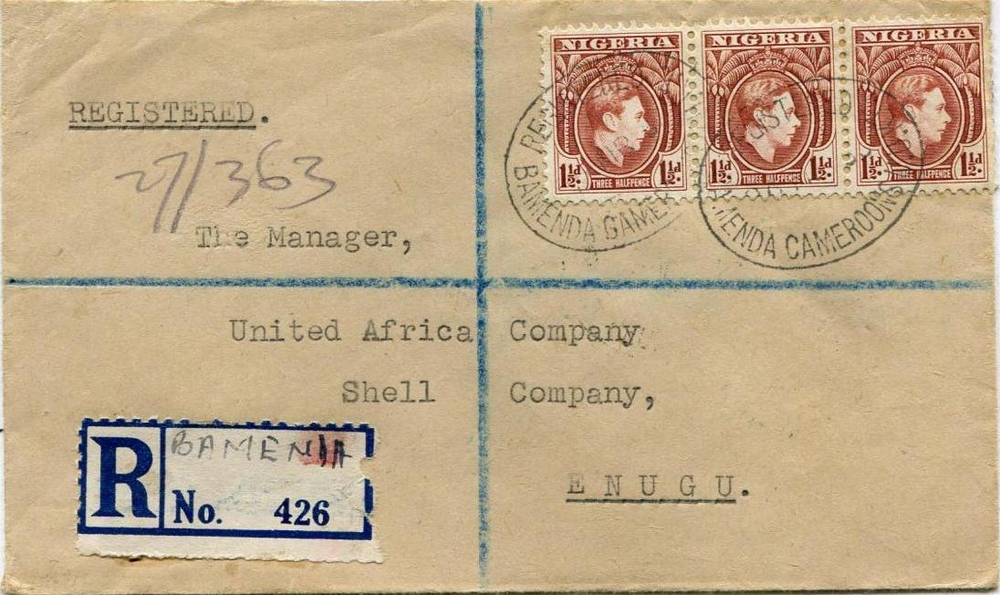
Registered cover sent on 26 March 1953 from Bamenda to Enugu, Nigeria.
After the First World War, French Cameroun was not incorporated into French Equatorial Africa (AEF), but became an autonomous administrative territory known as the “Commissariat de la République autonome”. The exception was Neukamerun, which was incorporated into AEF.
France introduced a policy of assimilation, promoting the teaching of French throughout the territory, introducing French law and integrating the economy of Cameroun with that of France.
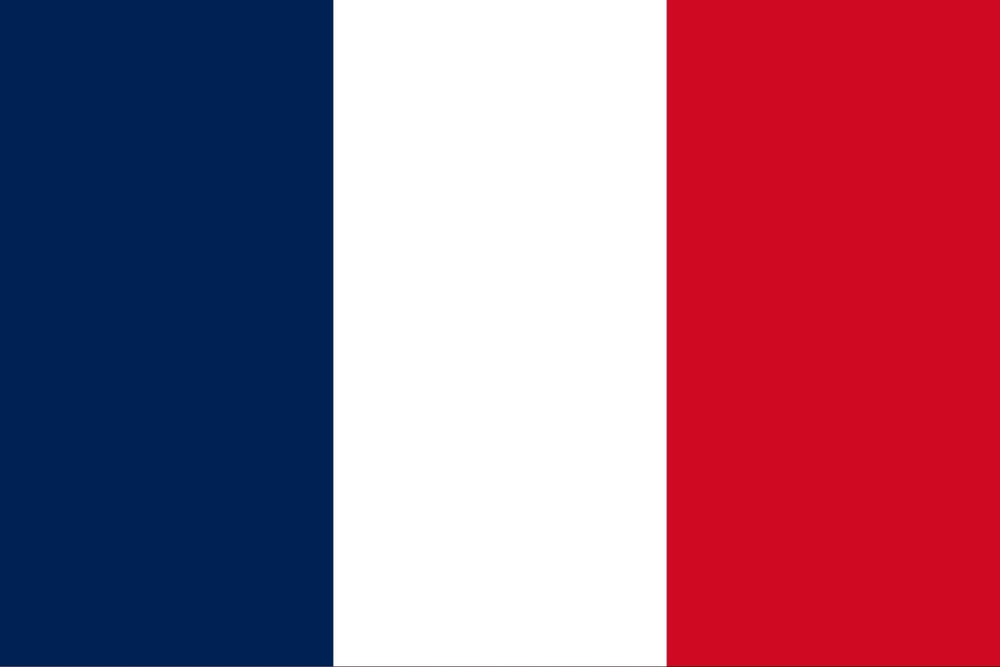

Flag and coat of arms of the French Mandate.
On 15 July 1921, the French administration issued stamps of Middle Congo overprinted “CAMEROUN”. In subsequent years, definitive stamps bearing the same inscription were issued.
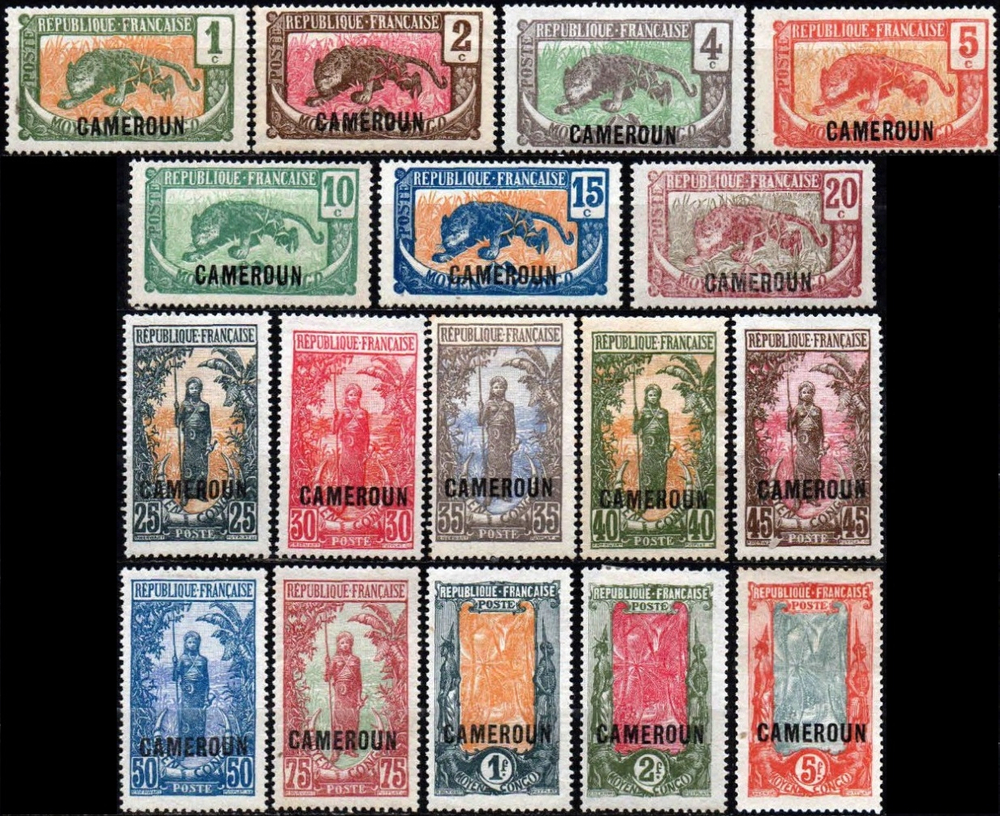
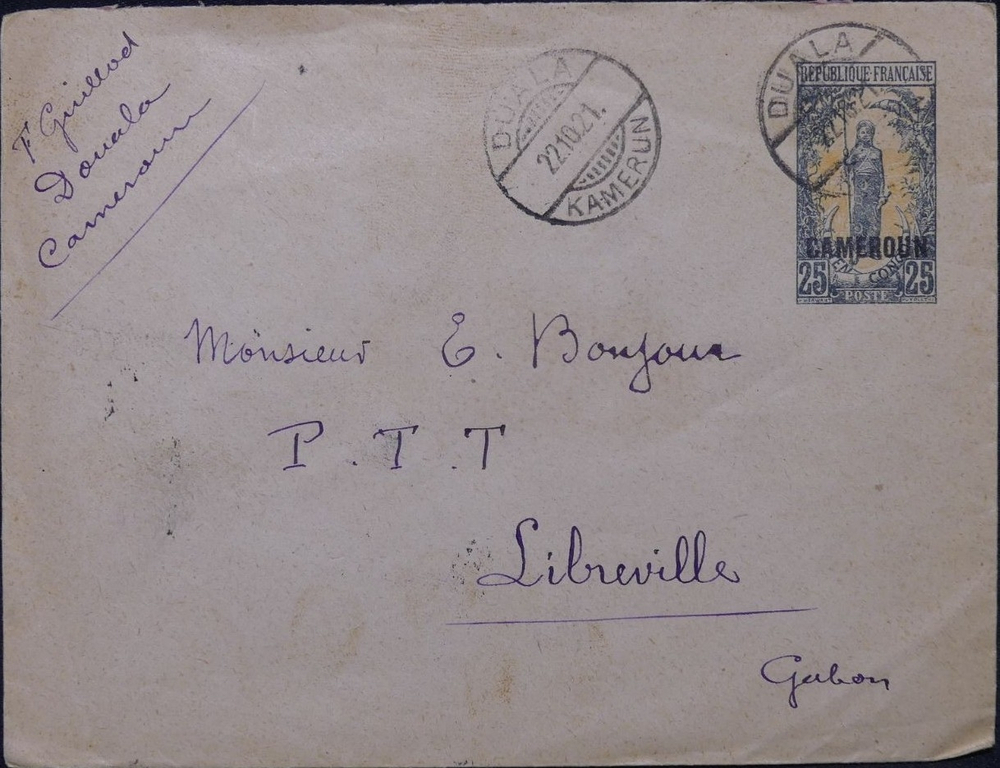
Postal stationery envelope with an imprinted postage stamp, sent on 22 October 1921 from Douala to Libreville, Gabon.
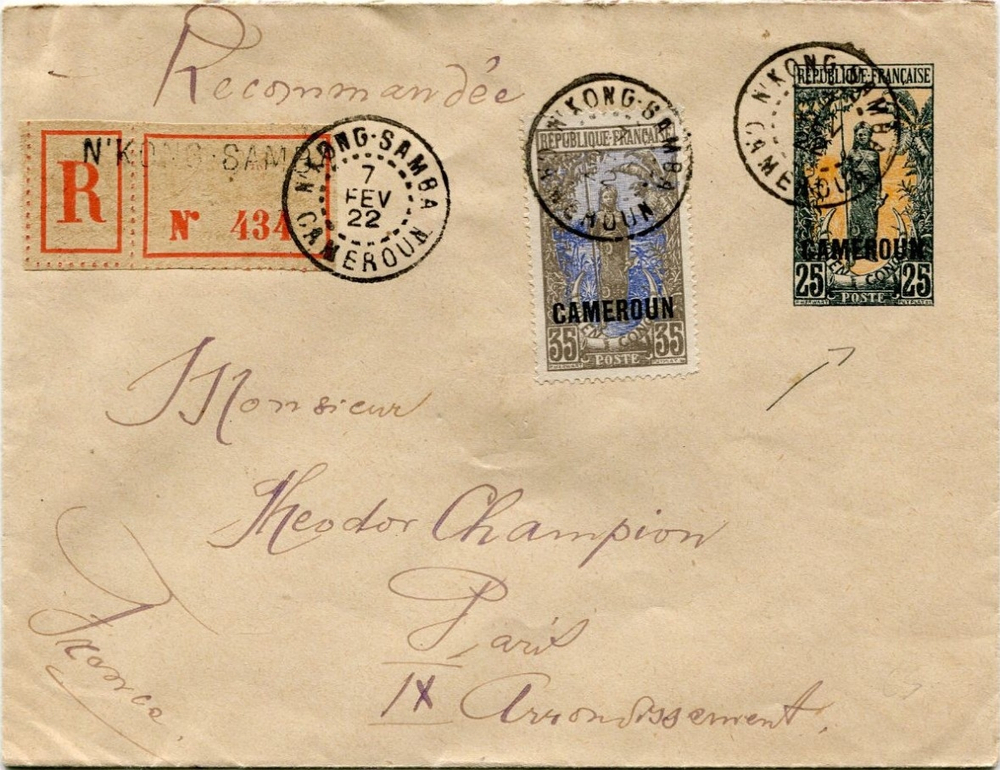
Registered cover sent on 7 February 1922 from N’Kong Samba to Paris.
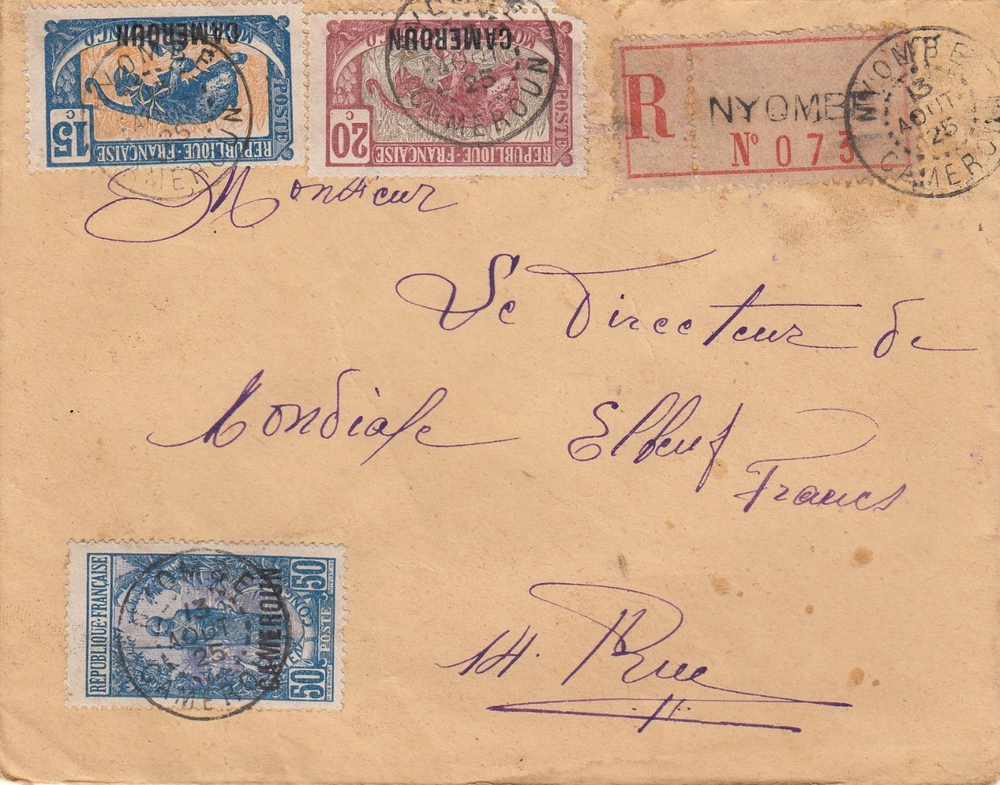
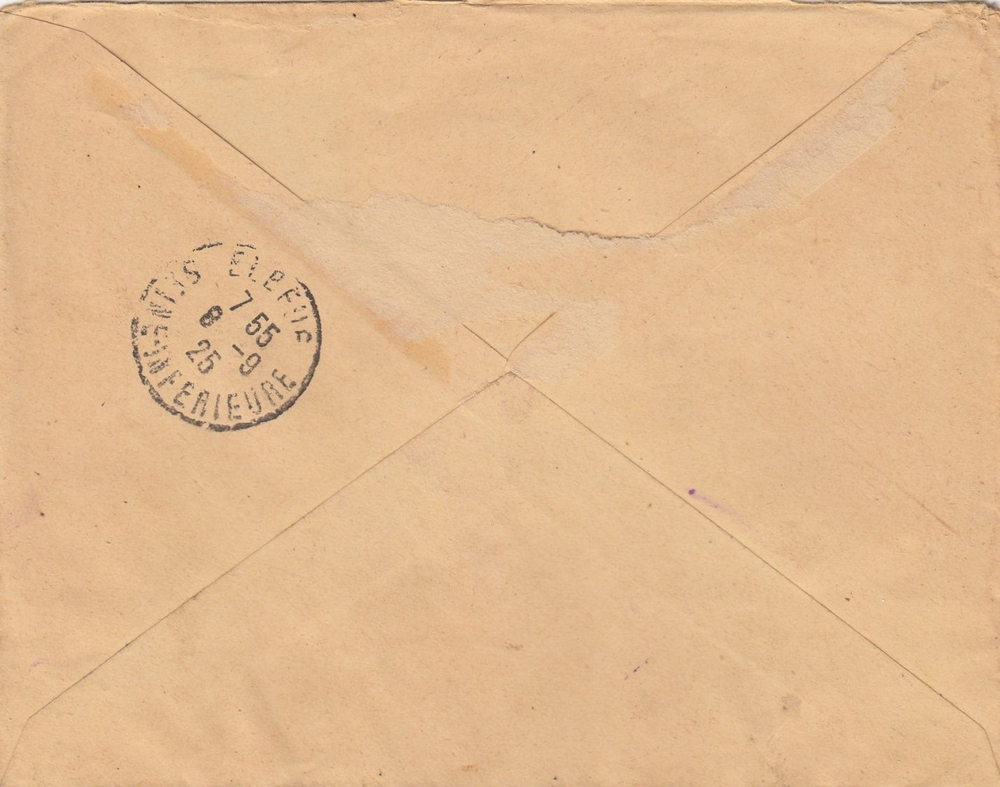
Registered cover sent on 13 August 1925 from Nyombe to Elbeuf, France, with the arrival postmark ELBEUF SEINE INFERIEURE 8 -9 25 on the reverse.
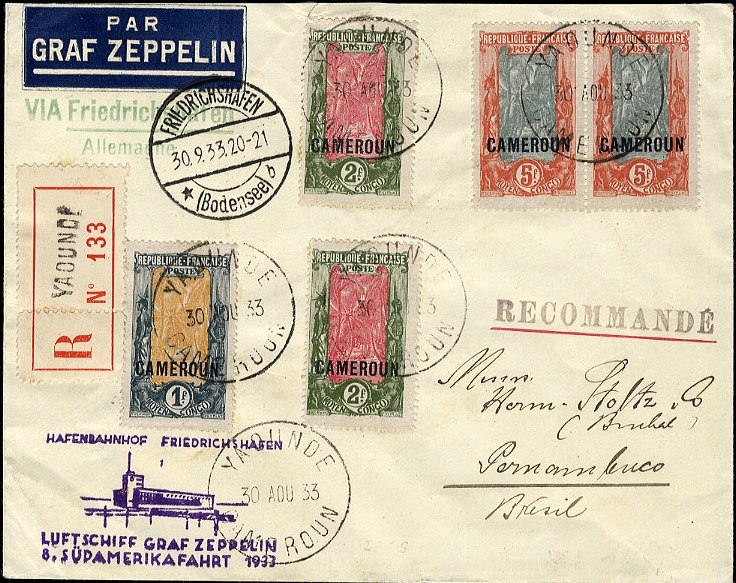
Registered cover sent on 30 August 1933 from Yaoundé to Pernambuco, Brazil, and forwarded by Zeppelin airmail from Friedrichshafen on 30 September.
During the Second World War, French Cameroun joined the Free French movement (France Libre) in 1940. Troops under General Philippe Leclerc landed at Douala, which they captured on 27 August, before advancing to Yaoundé, where Richard Brunot, the governor representing Vichy France, surrendered the civil administration.
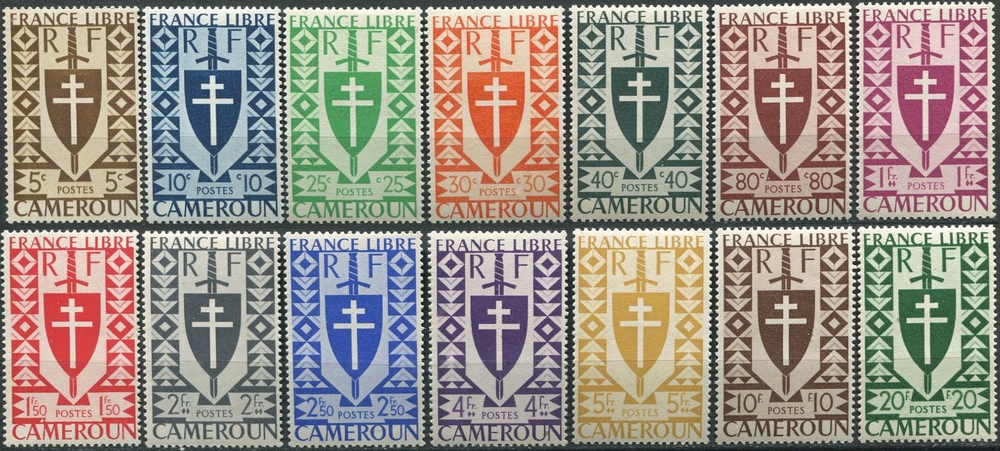
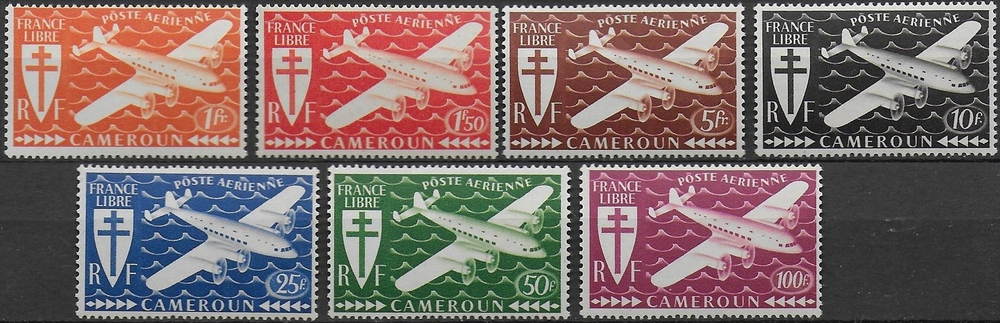
In 1941, postage stamps inscribed “FRANCE LIBRE CAMEROUN” were issued, followed by airmail stamps in 1942. Earlier issues remained valid, while subsequent stamps again bore only the inscription “CAMEROUN”.
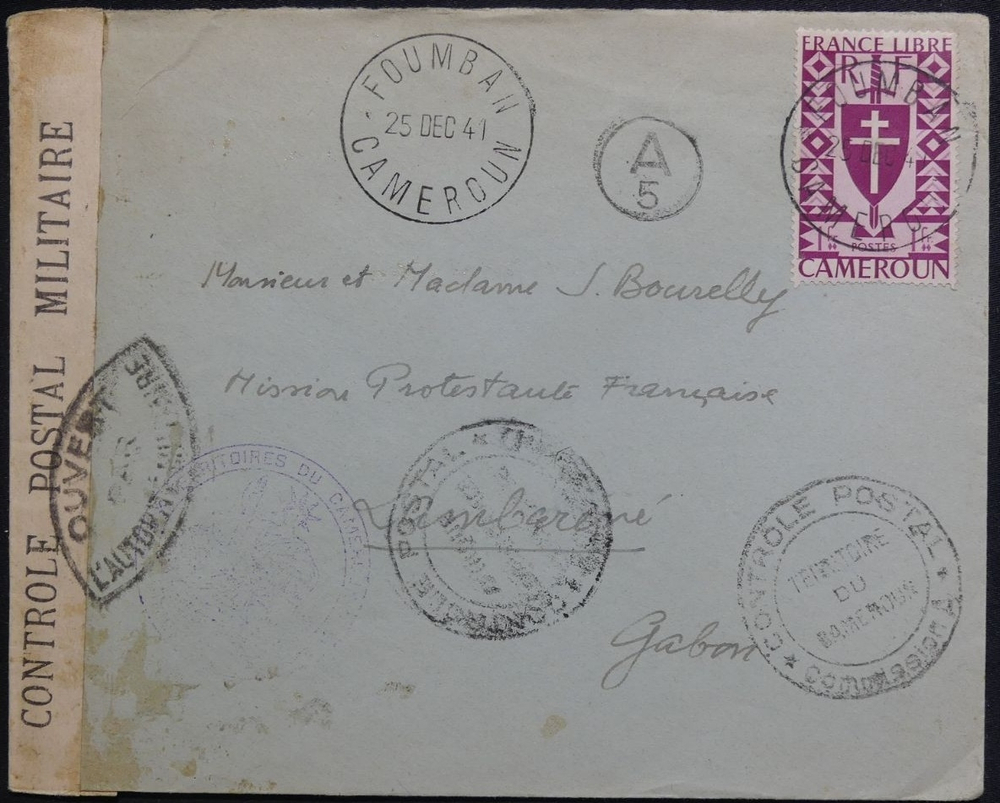
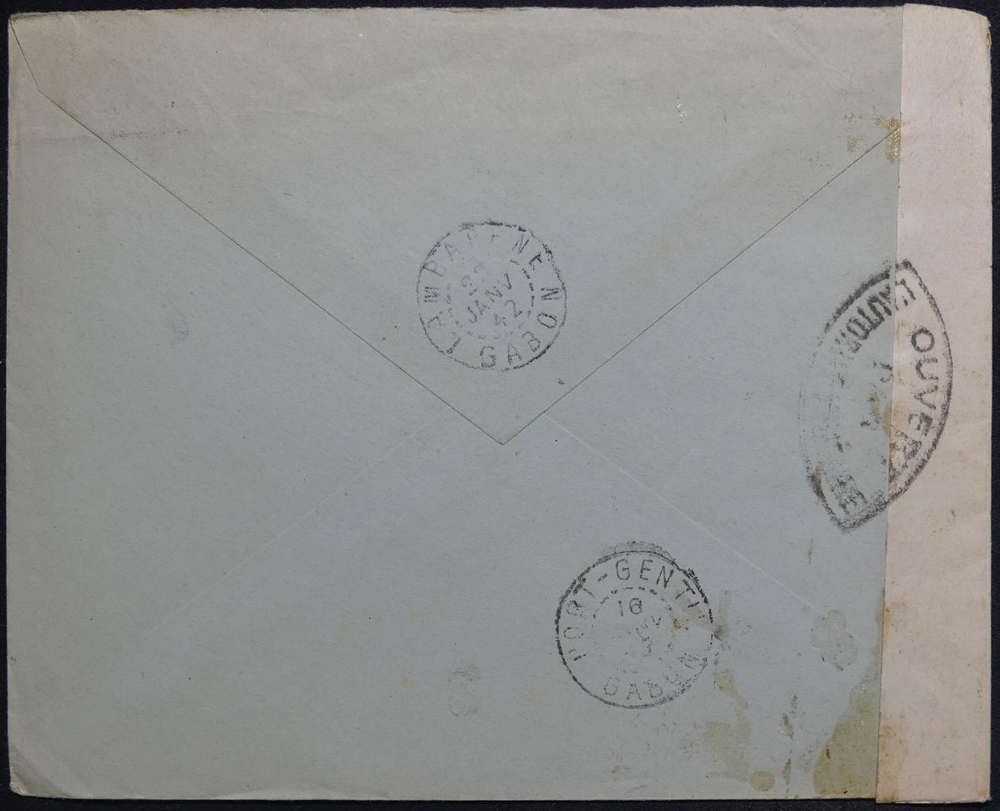
Cover sent on 25 December 1941 from Foumban to Lambaréné, Gabon, sealed with censorship tape bearing the marking OUVERT PAR L’AUTORITÉ MILITAIRE, censorship handstamp A5, double-circle CONTROLE POSTAL Commission A handstamp and a violet circular cachet TERRITOIRES DU CAMEROUN. On the reverse are the transit postmark PORT-GENTIL 16 JANV 42 GABON and the arrival postmark LAMBARÉNÉ 22 JANV 42 GABON.
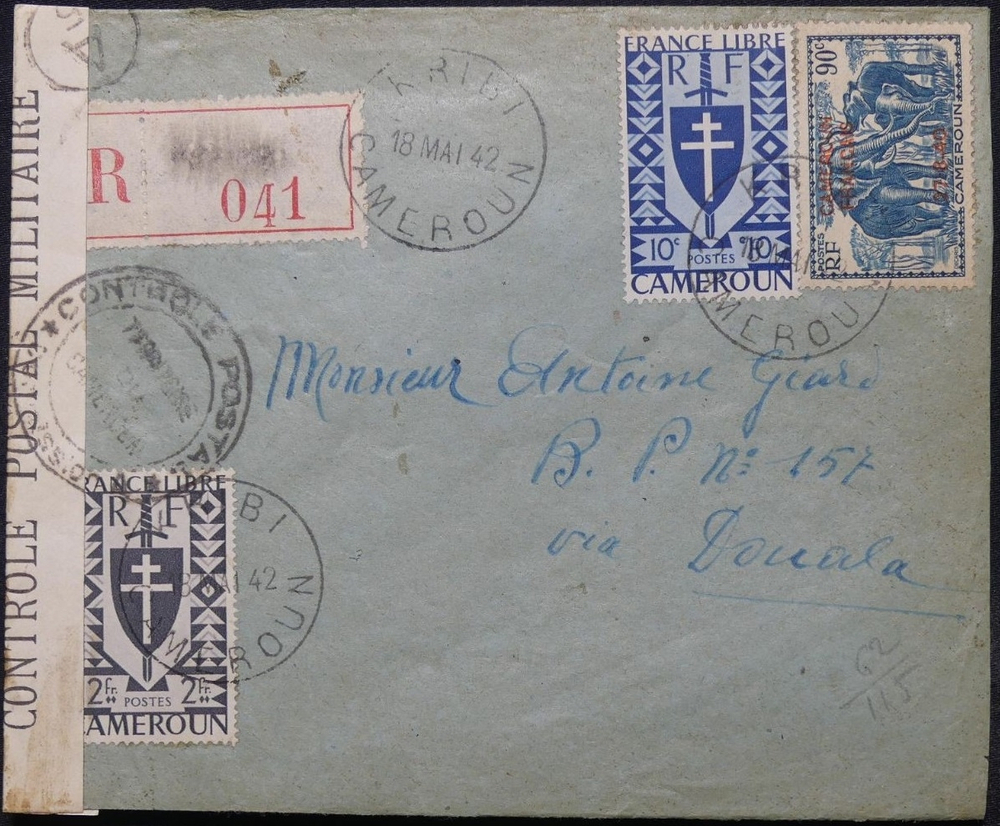
Registered cover sent on 18 May 1942 from Kribi to Douala, sealed with censorship tape and bearing the A5 censorship handstamp and the double-circle CONTROLE POSTAL Commission A handstamp.
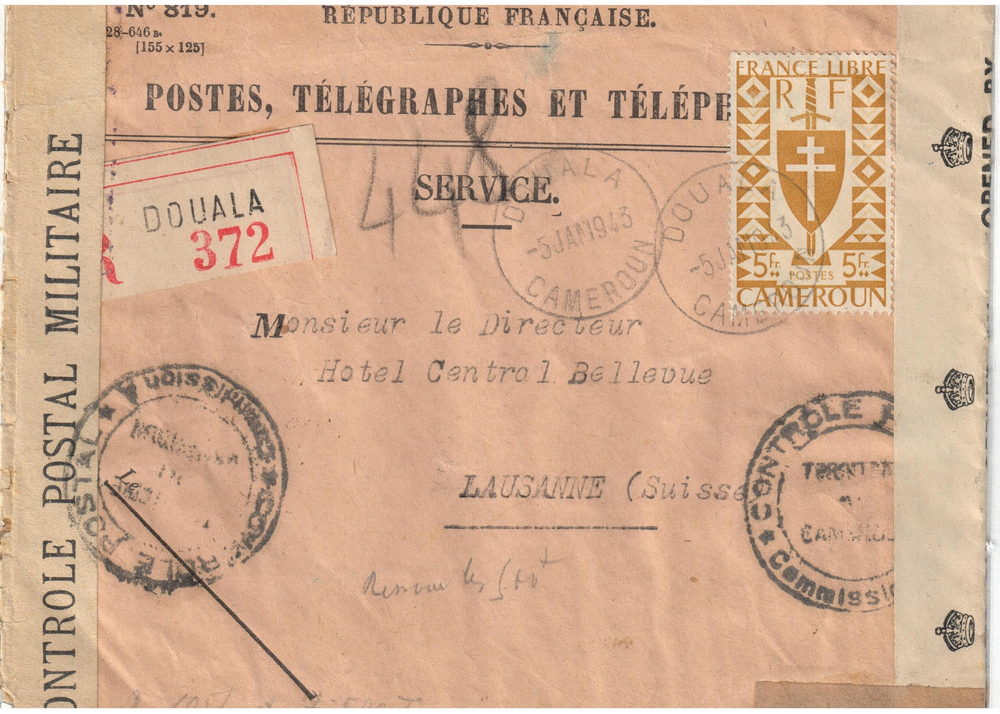
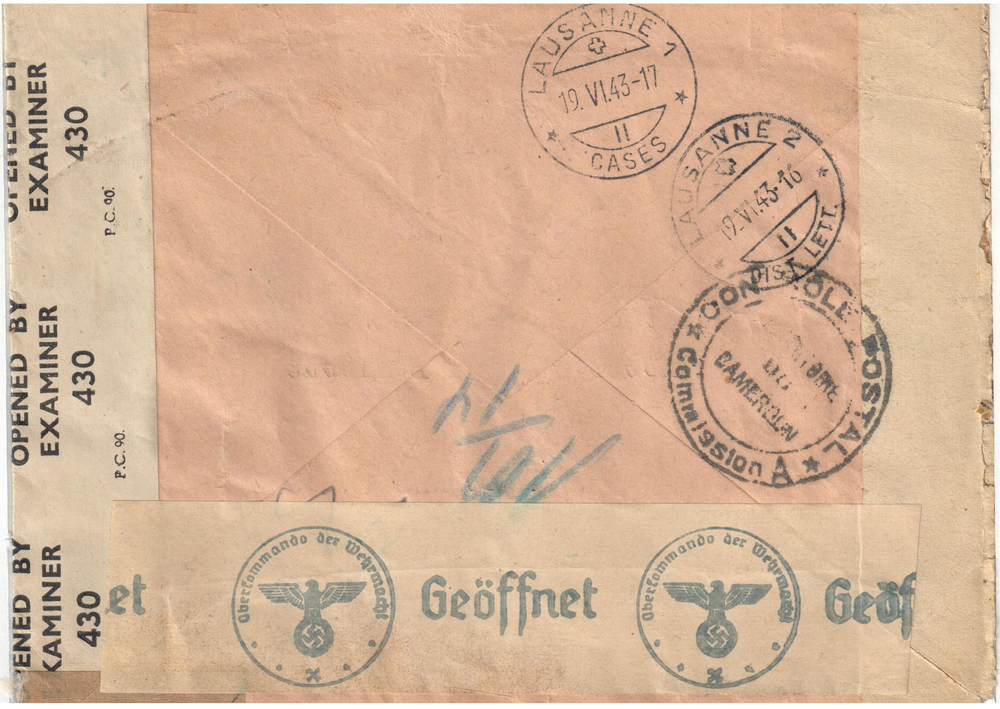
Registered cover sent on 5 January 1943 from Douala to Lausanne, Switzerland, sealed with French censorship tape bearing the double-circle CONTROLE POSTAL Commission A handstamp, British censorship tape on the right and German censorship tape at the bottom of the reverse. The reverse also bears the transit postmark LAUSANNE 2 DIST LETT 19. VI. 43 and the arrival postmark LAUSANNE 1 CASES 19. VI. 43.
The collaborationist Vichy government issued stamps inscribed “CAMEROUN” in 1941 and 1944. However, these stamps were never used in Cameroun.
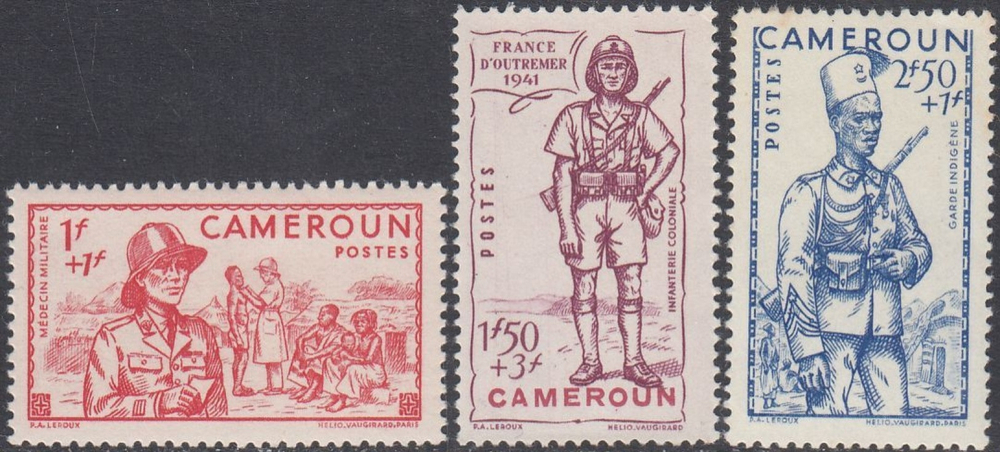

After the Second World War, French Cameroun became a United Nations Trust Territory. On 27 October 1946, under the French Constitution, it became an “associated territory” within the French Union, which comprised the French Republic on the one hand and its associated territories and states on the other.
Postage stamp issues continued to bear the unchanged inscription “CAMEROUN”.
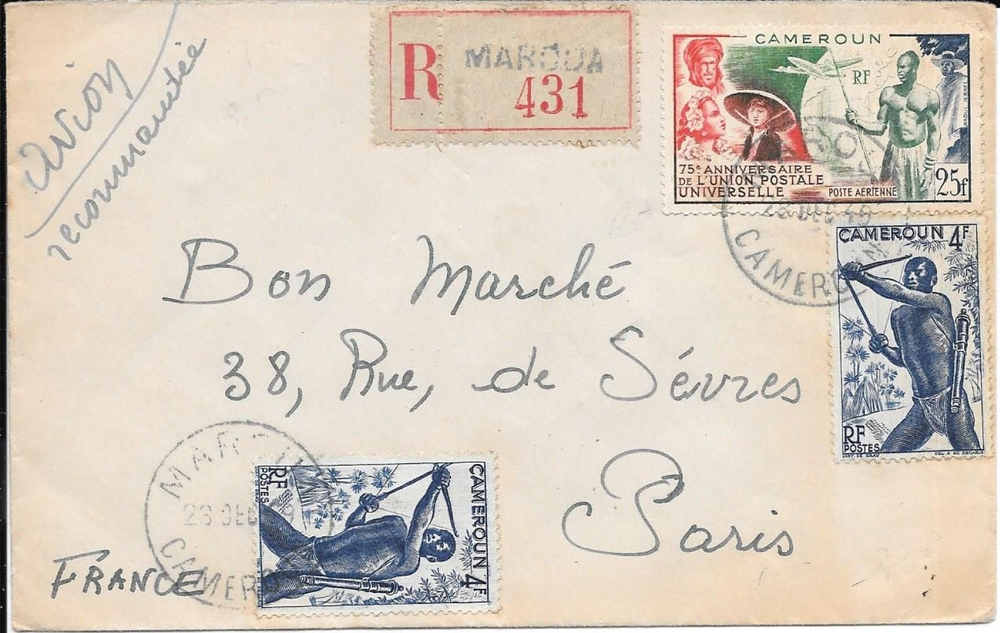
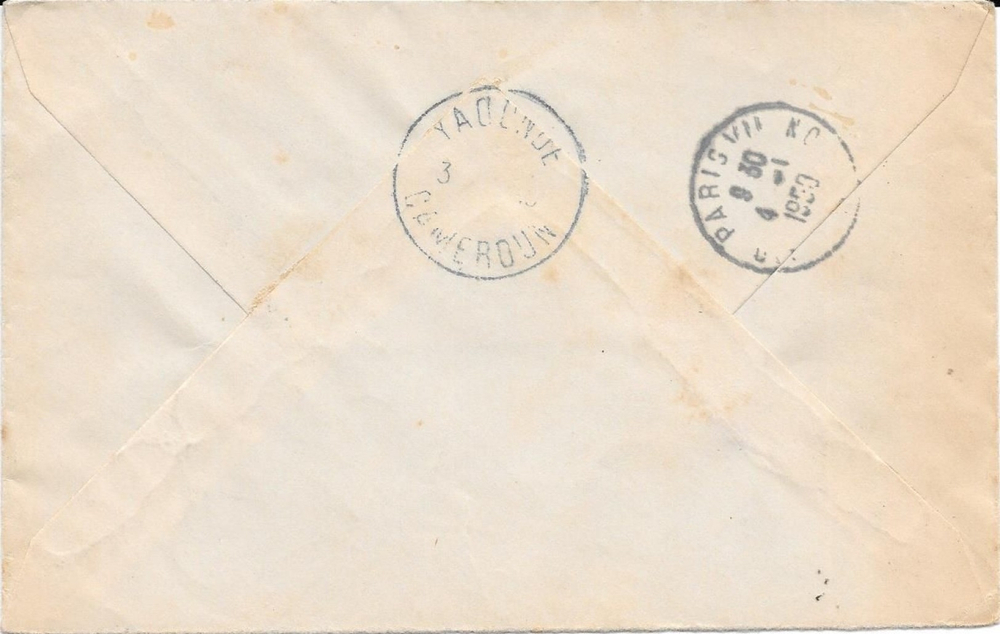
Registered airmail cover sent on 28 December 1949 from Maroua to Paris, with the transit postmark YAOUNDÉ 3. 1. 50 and the arrival postmark PARIS VII 4 -1 1950 on the reverse.
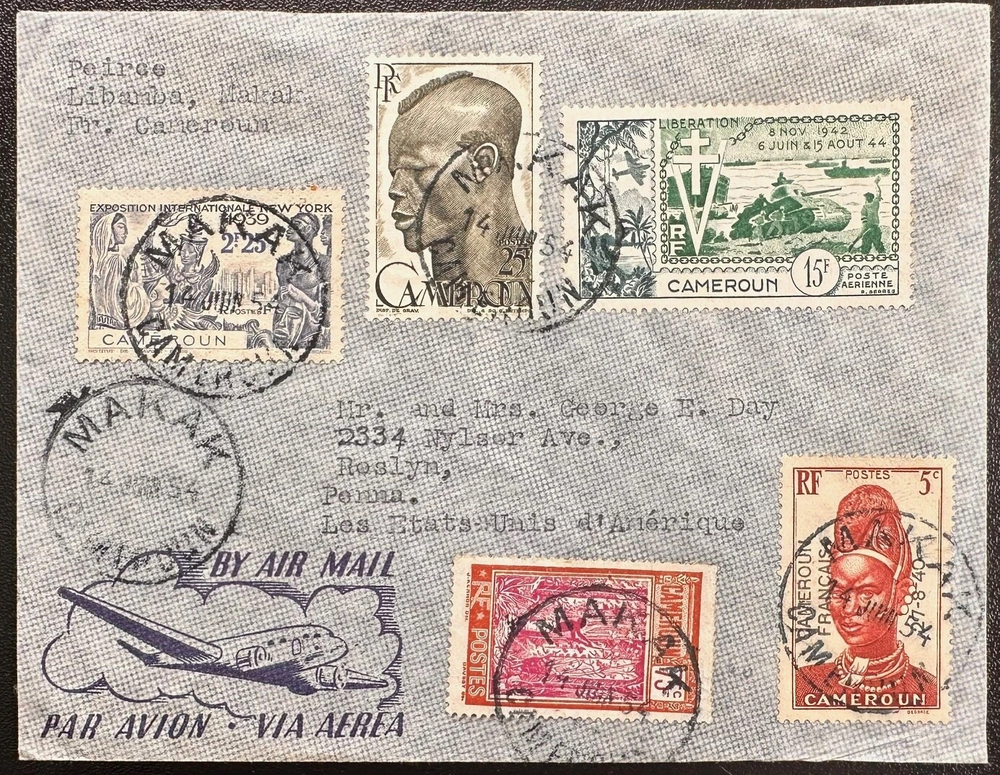
Airmail cover sent on 14 June 1954 from Makak to Roslyn, USA.
In 1948, the Union of the Peoples of Cameroon (Union des populations du Cameroun – UPC) was founded, demanding independence and reunification of Cameroon. This partly militant movement was subsequently banned and suppressed by the French, leading to a period of armed conflict and violent repression.
In 1956, France granted Cameroon internal autonomy under the Legislative Assembly of Cameroon (ALCAM). By a decree of 16 April 1957, the French government elevated French Cameroun to the status of a state (previously it had only been an “associated territory”), and on 10 May granted it autonomy with its own government.
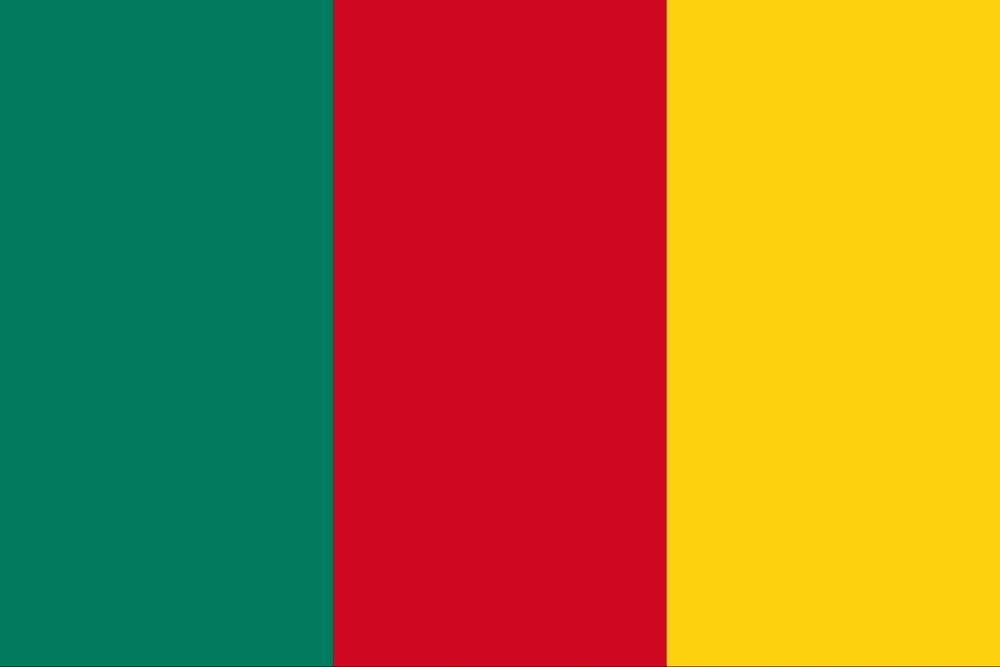
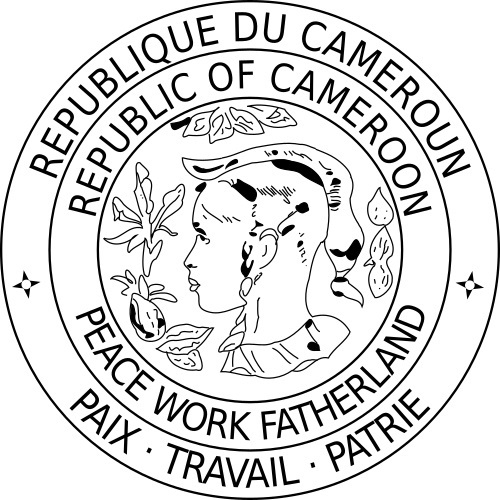
Flag and coat of arms of Cameroon.
On 10 May 1958, a commemorative stamp was issued to mark the first anniversary of autonomy.
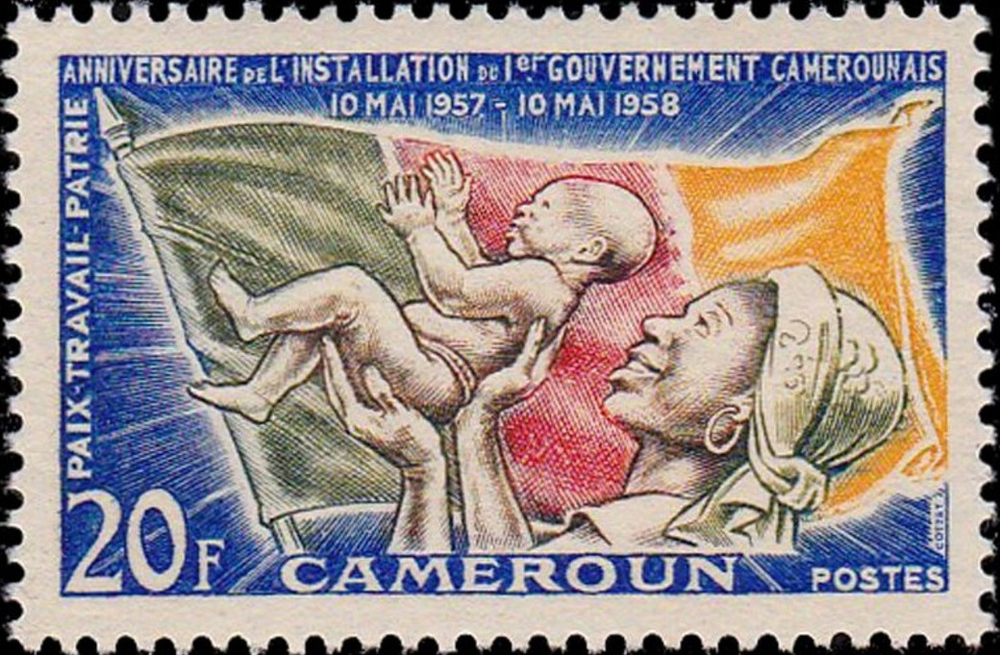
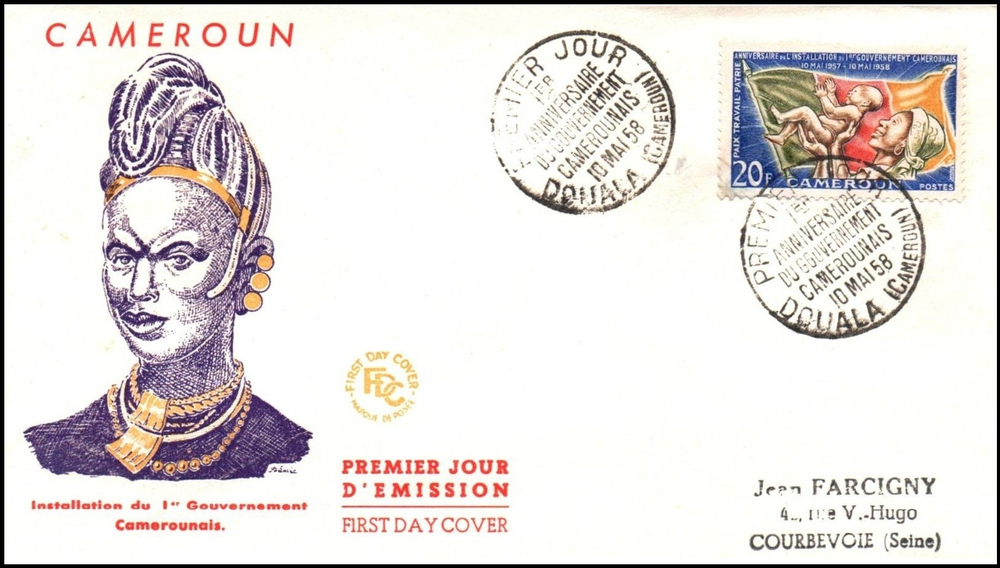
First day cover (FDC) sent on 10 May 1958 from Douala to Courbevoie, France.
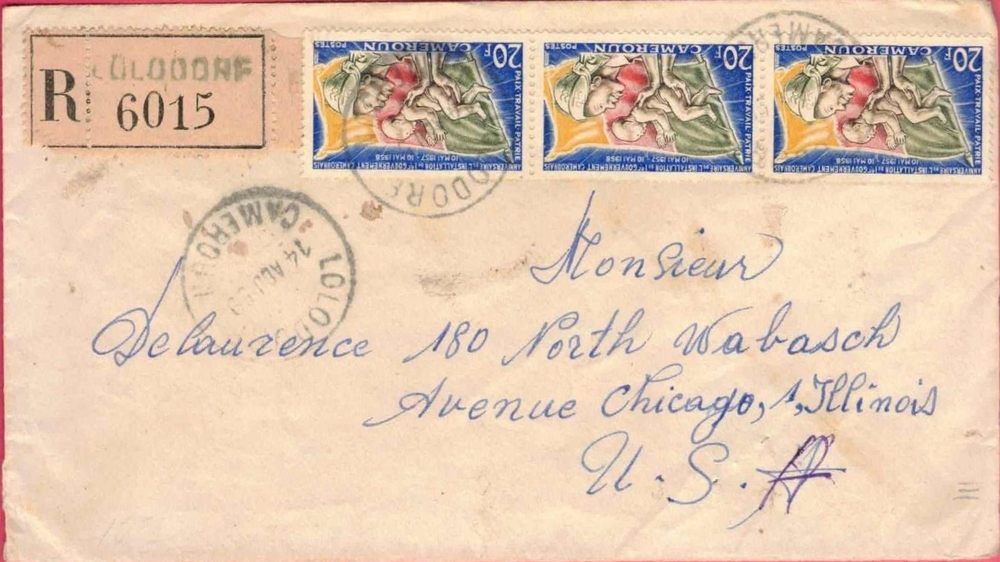
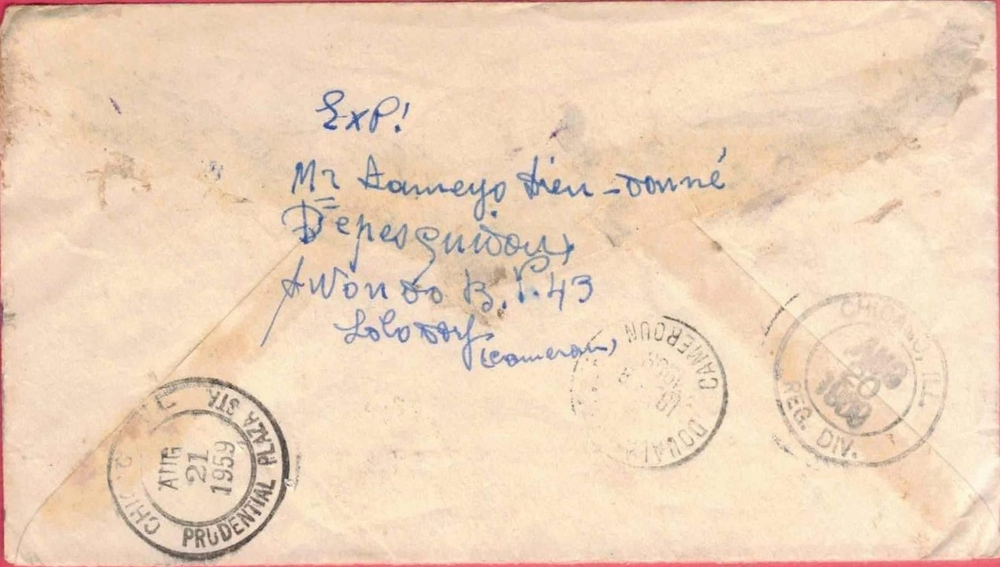
Registered cover sent on 14 August 1959 from Lolodorf to Chicago, with the transit postmark DOUALA 19. 8. 1959, the transit postmark CHICAGO ILL. REG. DIV. AUG 20 1959 and the arrival postmark CHICAGO ILL. PRUDENTIAL PLAZA AUG 21 1959 on the reverse.
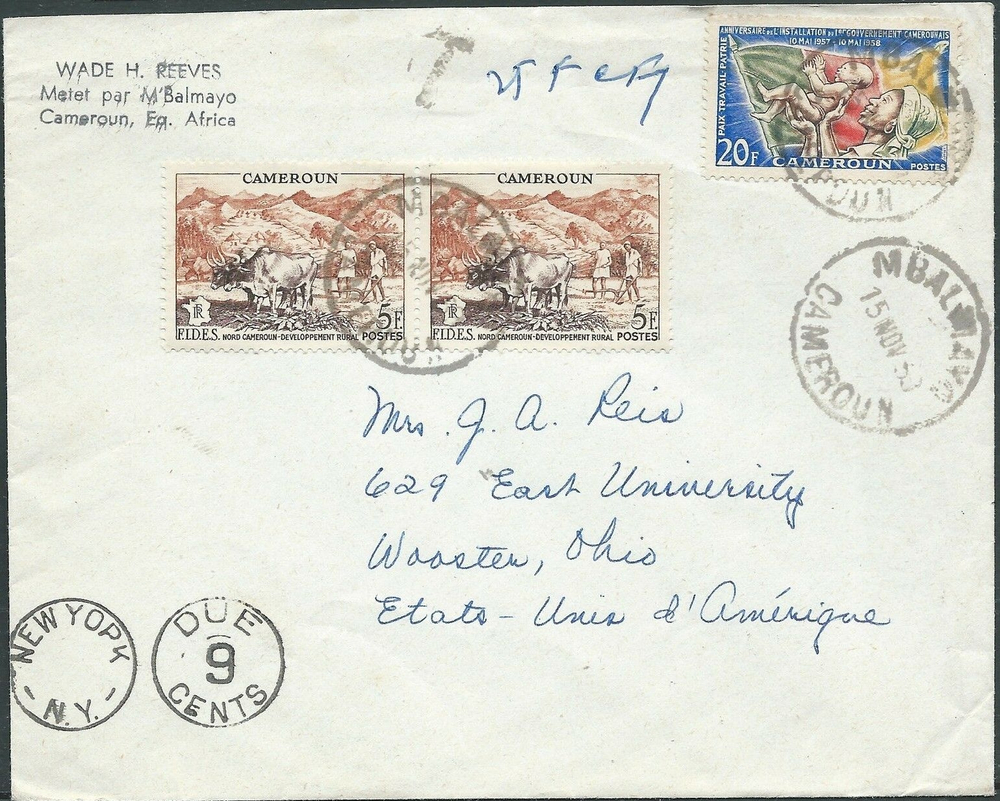
Cover sent on 15 November 1959 from M’Balmayo to Wooster, USA, charged postage due in New York.
Following the elimination of the UPC, the French government decided to grant controlled independence and transfer power to individuals whose interests were aligned with its own. On 12 June 1958, the Cameroonian Legislative Assembly adopted its first resolution confirming the possibility of the State of Cameroon achieving independence at the end of the trusteeship period. On 24 October 1958, it adopted a second resolution expressing, in particular, the desire of the Cameroonian people to achieve full independence.
Independence was proclaimed on 1 January 1960. The country adopted the name Republic of Cameroon and became the first of eighteen African colonies to gain independence.
On the same day, two definitive postage stamps inscribed “CAMEROUN” were issued.
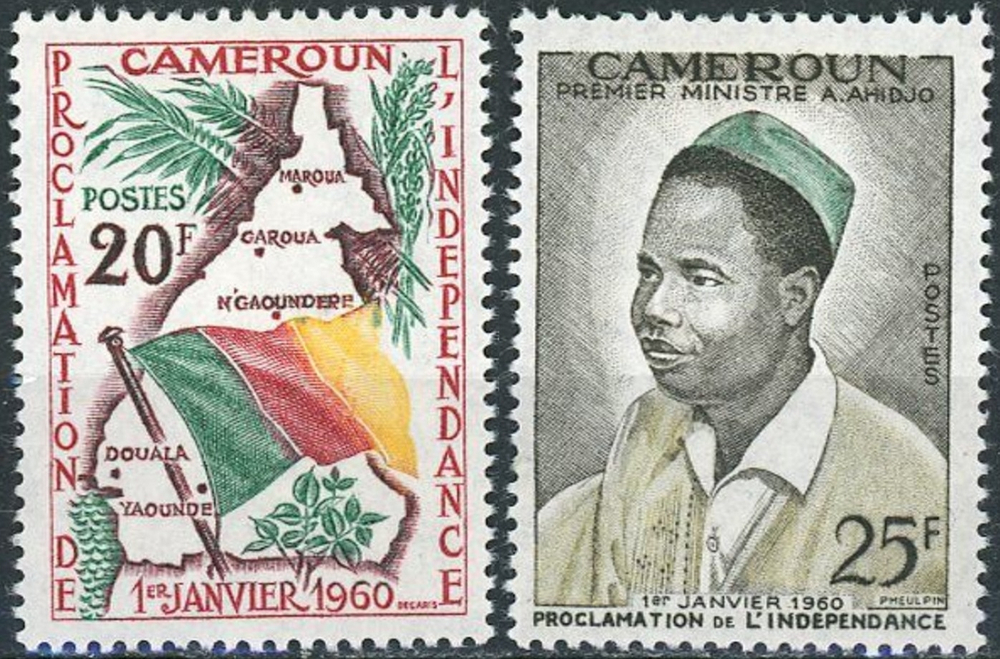
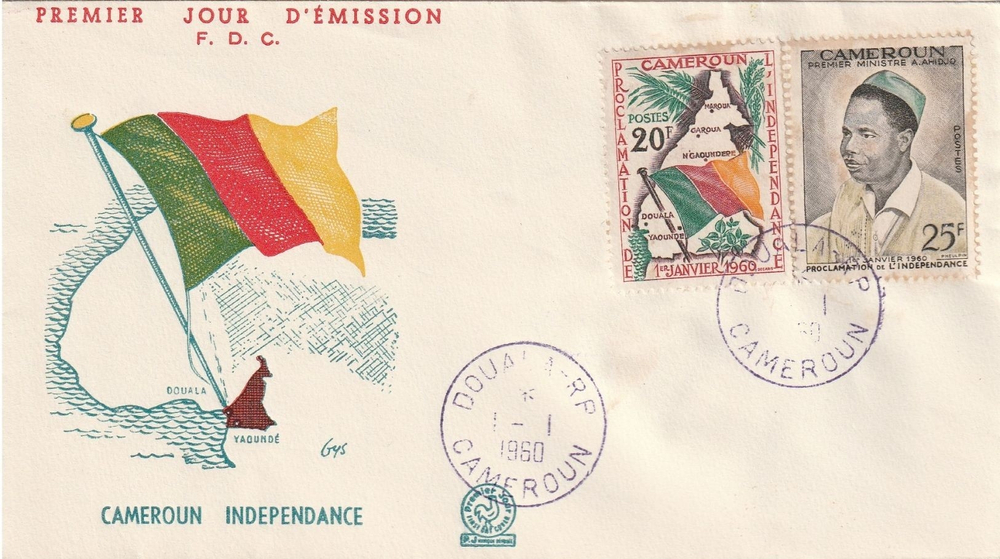
First day cover (FDC).
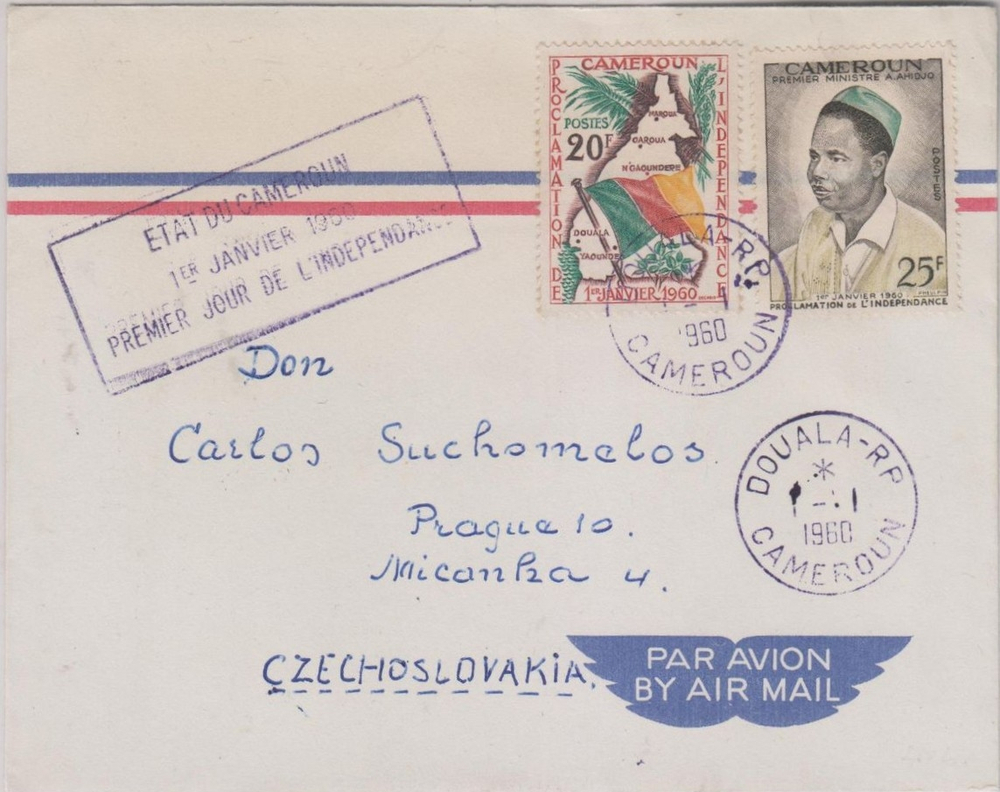
Cover sent on the first day of issue - 1 January 1960 from Douala to Prague.
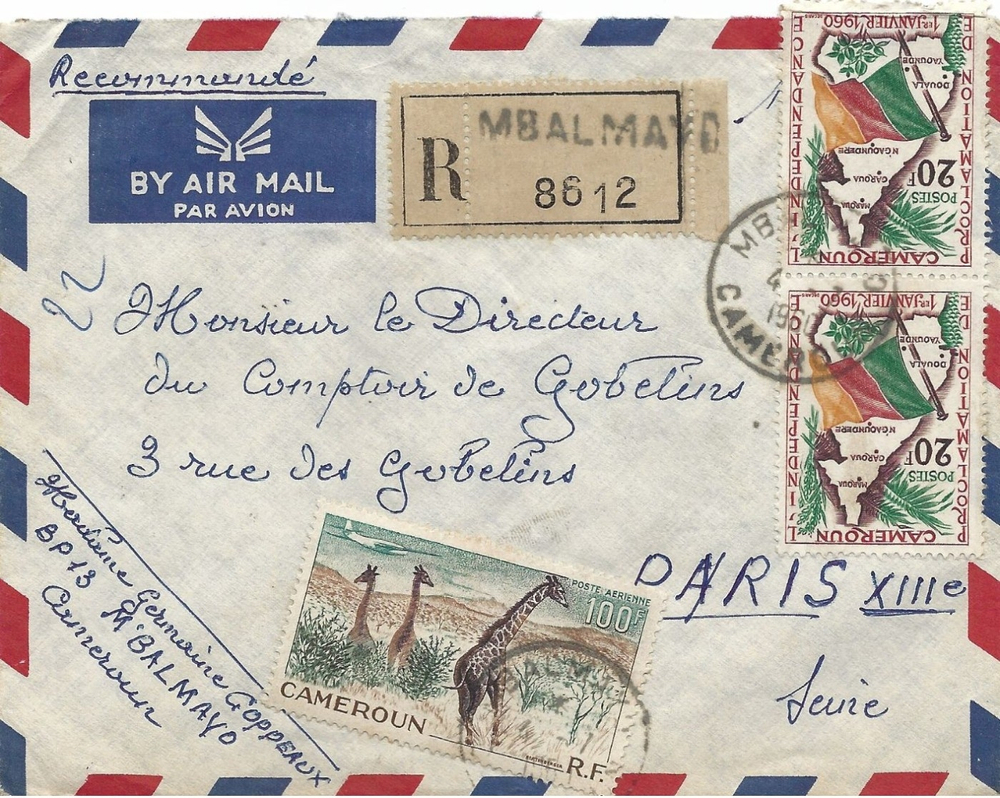
Registered airmail cover sent on 4 January 1960 from M’Balmayo to Paris.
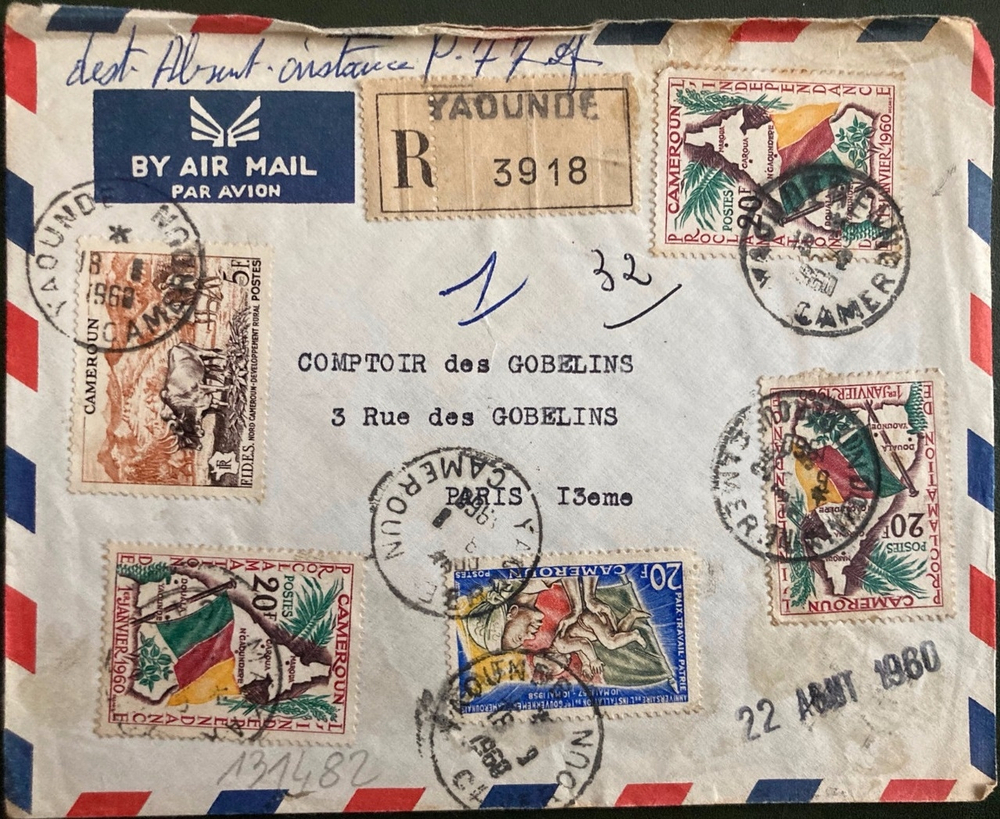
Registered airmail cover sent on 18 September 1960 from Yaoundé to Paris.
When French Cameroun gained independence on 1 January 1960, British Cameroons was still administered through Nigeria. Nigeria was due to gain independence later that year, raising the question of the future of the British-administered territory. As the colonial power in Nigeria, Britain favoured the unification of the two territories. Following discussions that had been taking place since 1959, a United Nations-supervised plebiscite was approved and held on 11 February 1961.
The northern part, with its predominantly Muslim population, voted to join Nigeria, while the southern, predominantly Christian region voted to join Cameroon. The plebiscite did not offer independence for British Cameroons as an option.
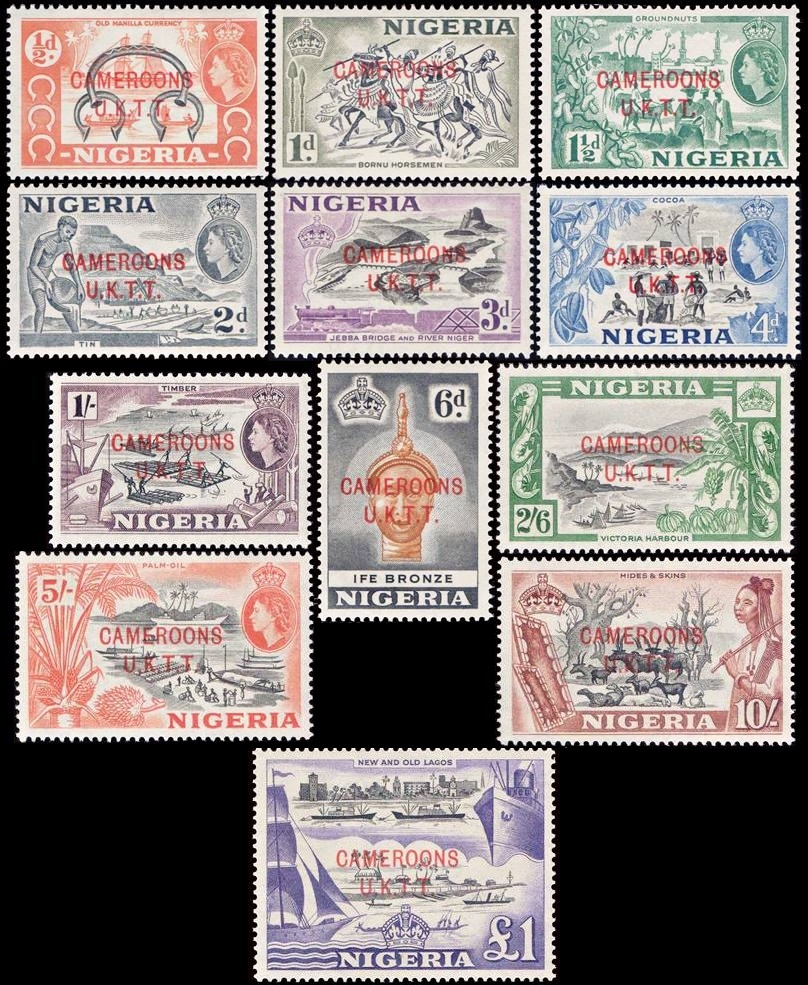
On 1 October 1960, the British administration issued Nigerian postage stamps overprinted “CAMEROONS U. K. T. T.” (United Kingdom Trusteeship Territory).
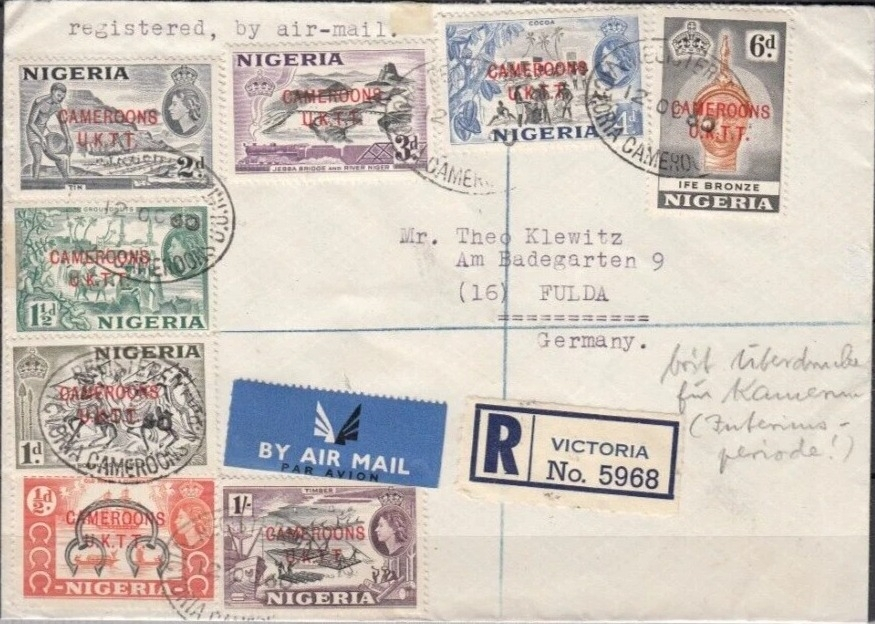
Registered airmail cover sent on 12 October 1960 from Victoria to Fulda.
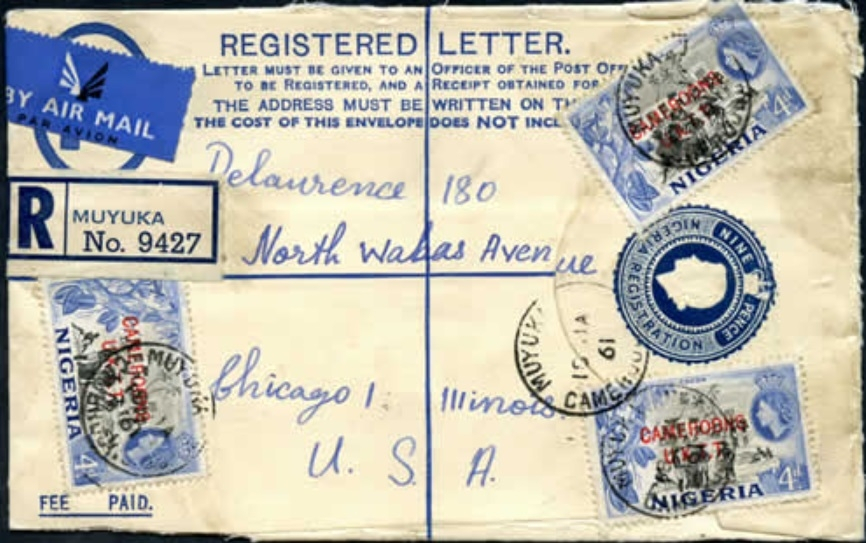
Registered airmail cover sent on 19 January 1961 from Muyuka to Chicago.
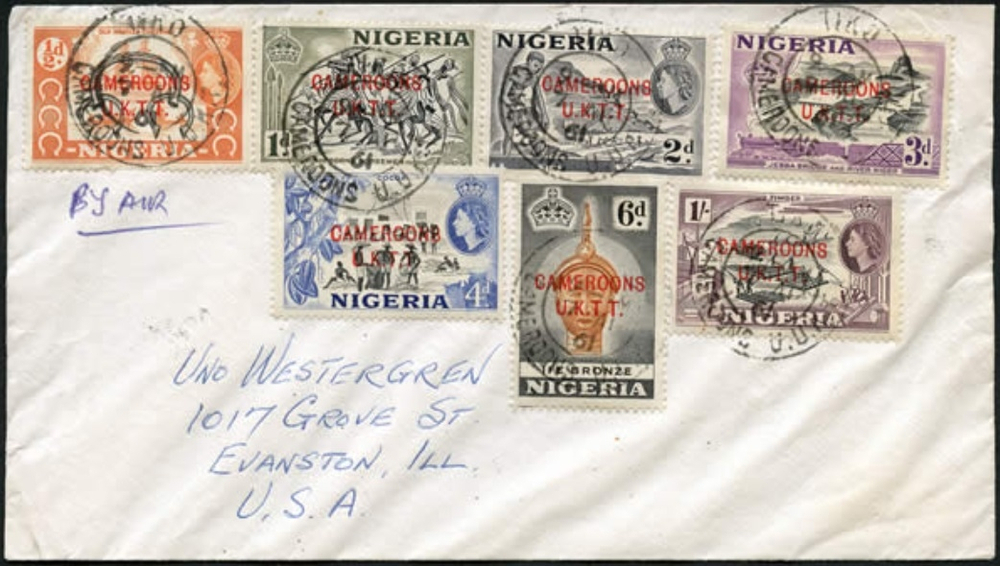
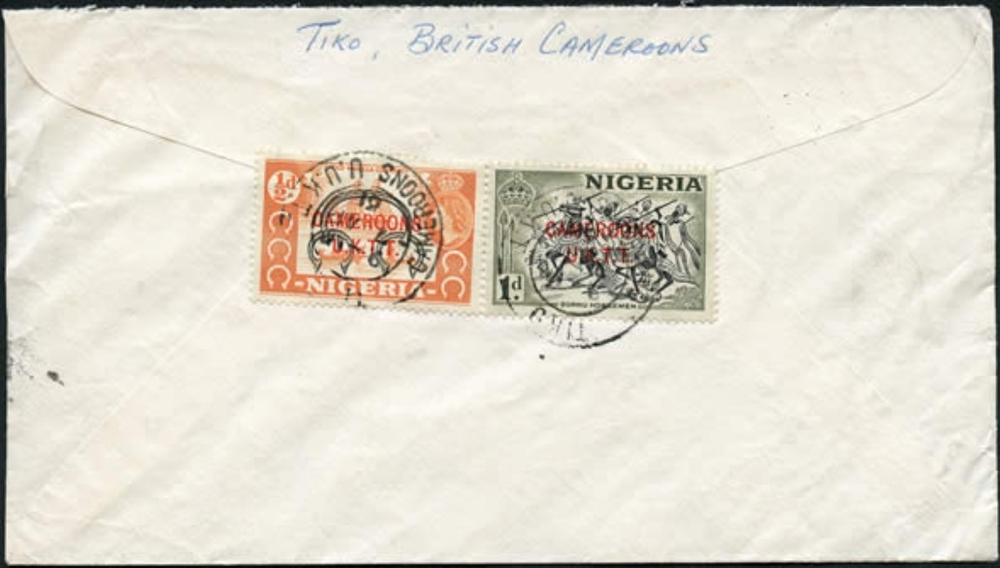
Cover sent on 7 April 1961 from Tiko to Evanston.
Nigeria declared independence on 1 October 1960, and the northern part of British Cameroons joined it on 1 June 1961. The southern part became West Cameroon on 1 October of the same year, as a constituent state of the Federal Republic of Cameroon.
The validity of the previously issued overprinted stamps ended on 31 May 1961 in the northern part and on 30 September 1961 in the southern part.
The Federal Republic of Cameroon consisted of two constituent states, East Cameroon and West Cameroon, each with its own legislature, government and prime minister. The two states also had different monetary systems. The Central African CFA franc (Communautés françaises d'Afrique – French African Communities) circulated in East Cameroon, while the British West African pound was used in West Cameroon. Among other matters, it was therefore necessary to resolve the question of postal services.
For this reason, on 1 October 1961, the day the federation was established, Cameroonian definitive and airmail stamps were overprinted “REPUBLIQUE FEDERALE”, together with new currency denominations.
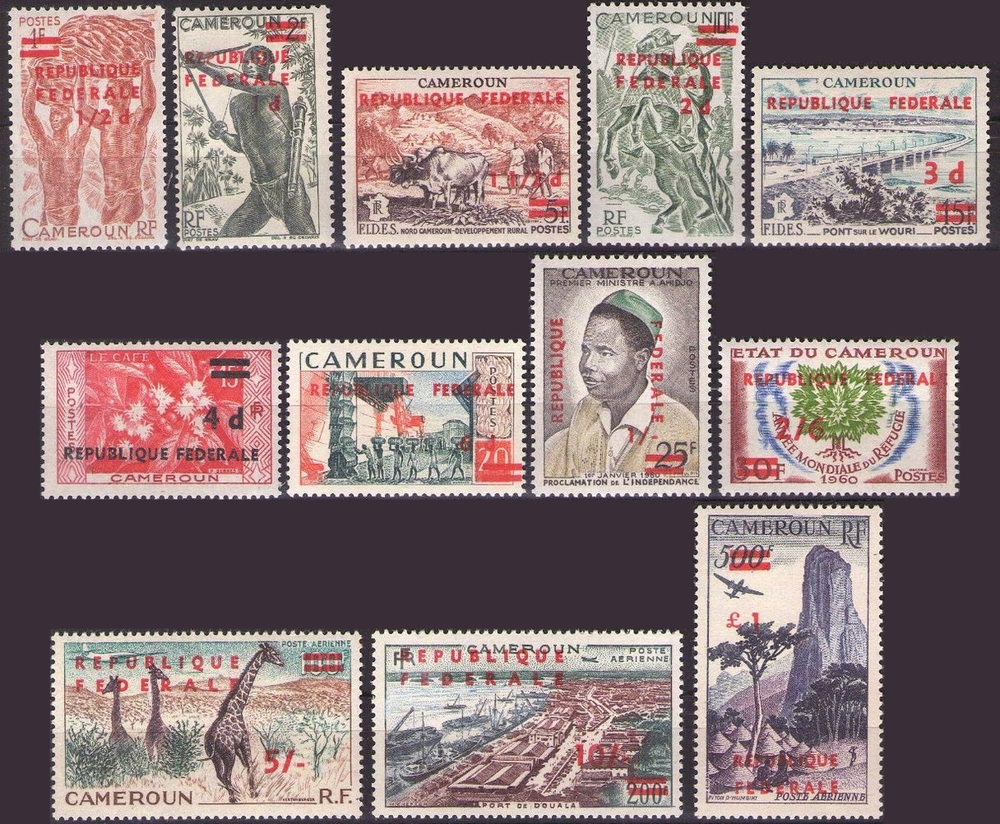
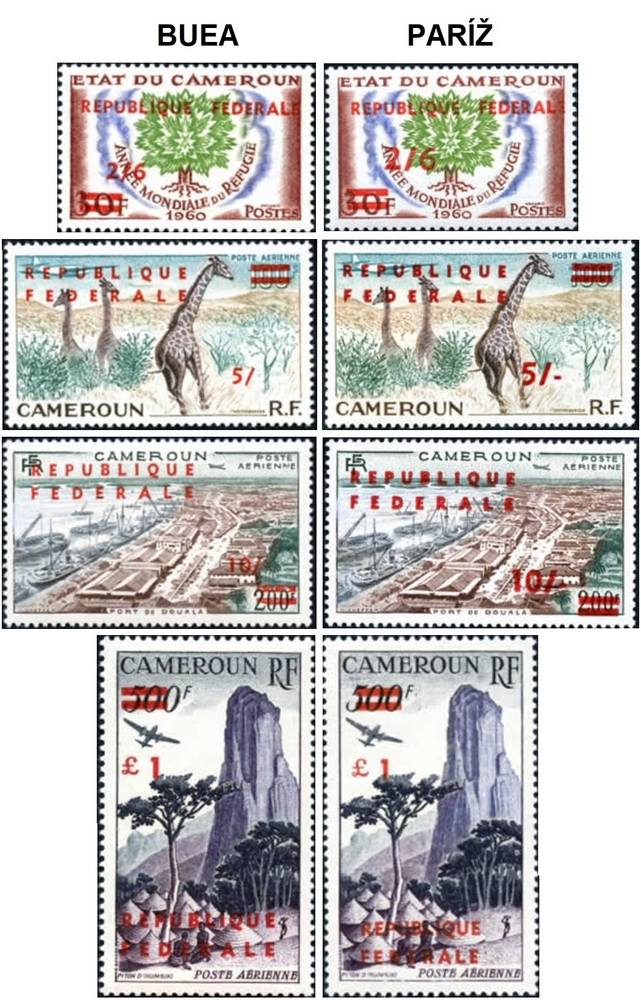
The overprints were applied in Buea and Paris. Four stamps exist with two different types of overprint, distinguished by the size and thickness of the lettering.
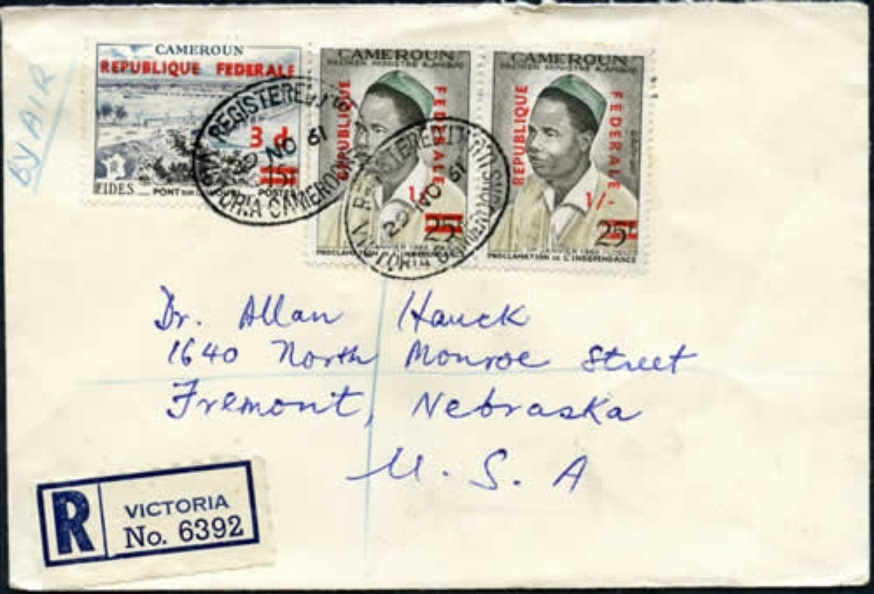
Registered cover sent on 29 November 1961 from Victoria to Fremont.
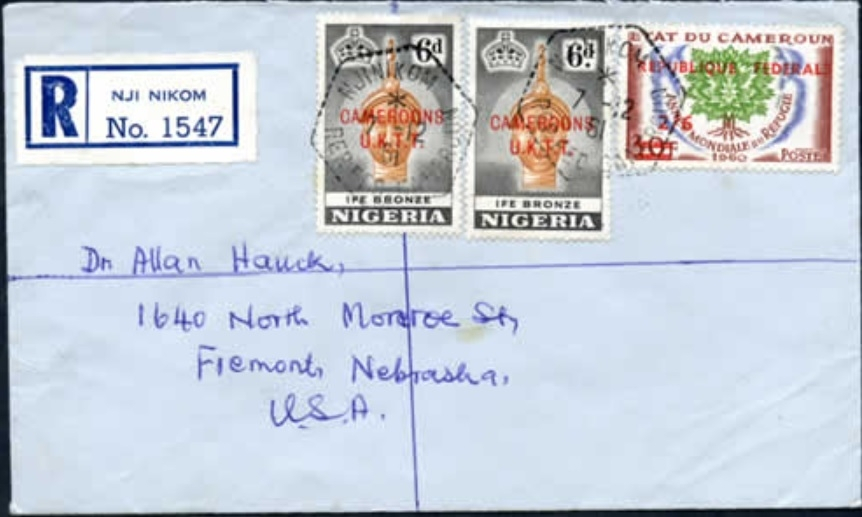
Registered cover sent on 7 December 1961 from Nji Nikom to Fremont, bearing mixed franking including stamps of British Cameroons which, although no longer valid at the time, were probably still accepted for some time.
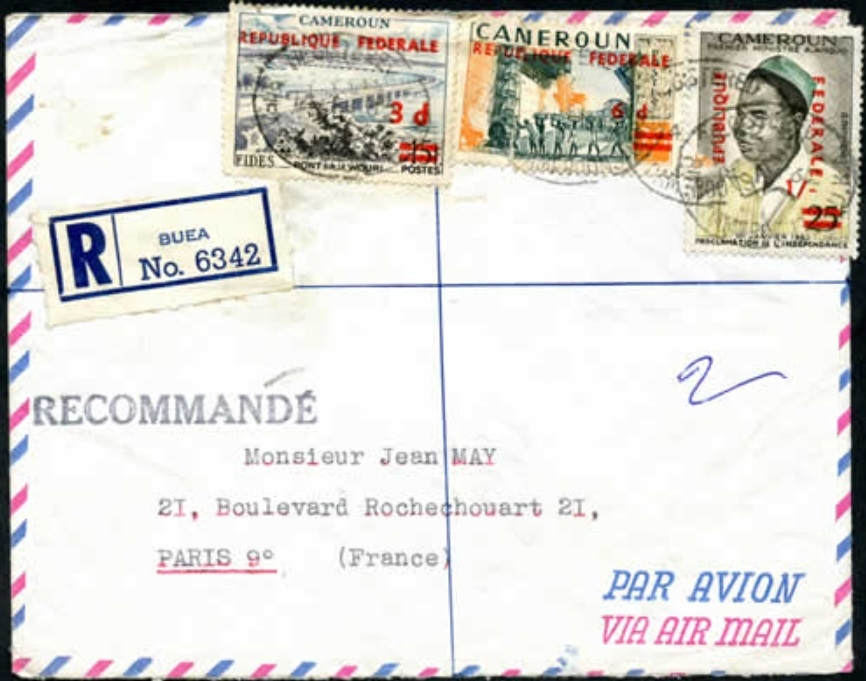
Registered airmail cover sent on 4 February 1962 from Buea to Paris.
The Federal Republic of Cameroon was a federal state established on 1 October 1961 through the union of the Republic of Cameroon (formerly French Cameroun) and Southern Cameroons (part of the former British Cameroons).
French and English were the official languages. Yaoundé was the capital of East Cameroon, while Buea served as the capital of West Cameroon. Christianity was the predominant religion, with significant minorities practising Islam and traditional religions.
Following reunification, French-speaking Cameroonians accounted for approximately 80% of the federal population, while English-speaking Cameroonians formed a minority of approximately 20%.
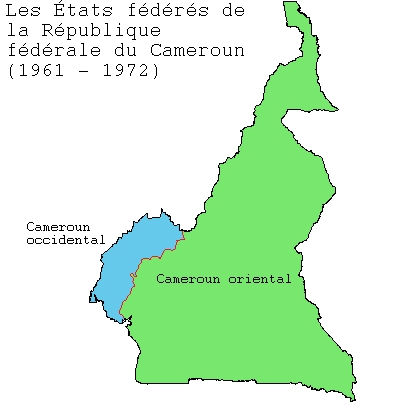
Map of the federation.
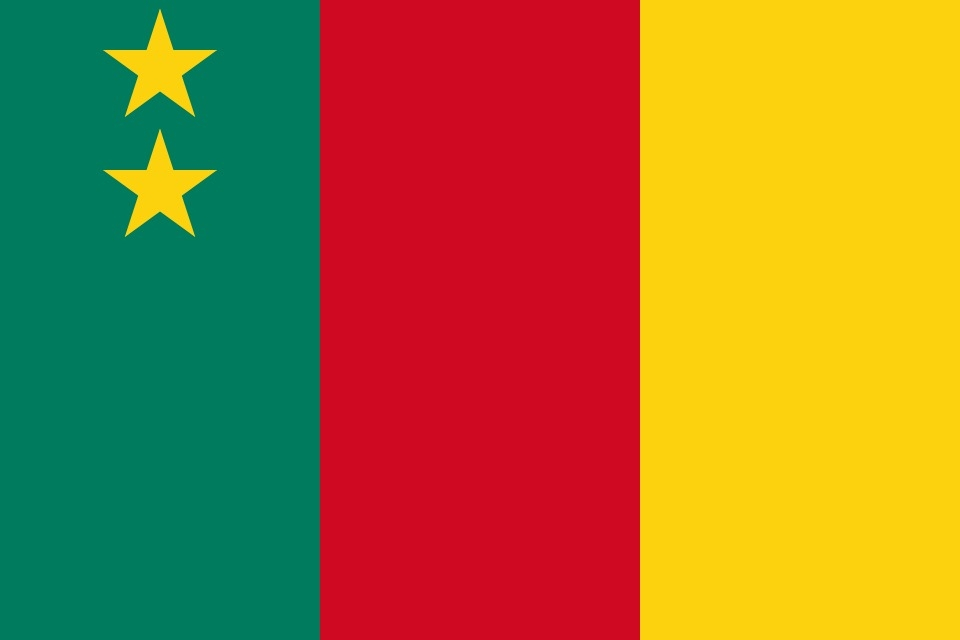
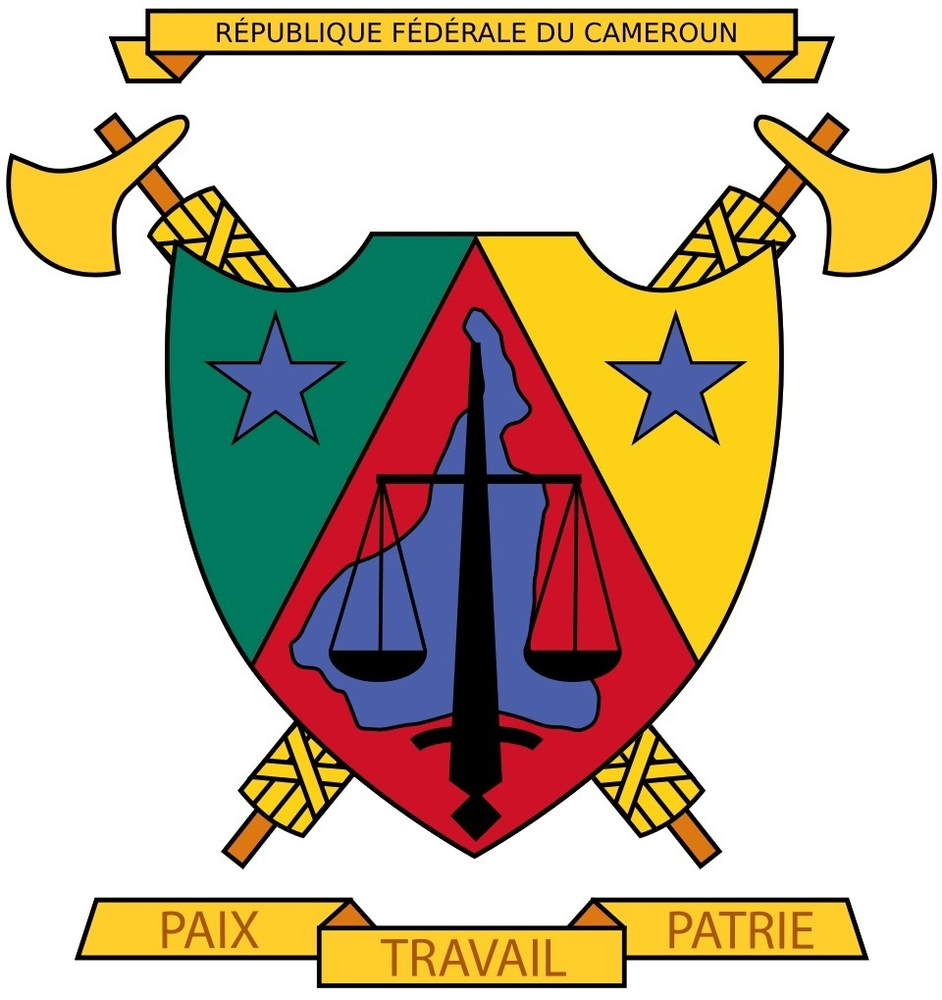
Flag and coat of arms of the federation.
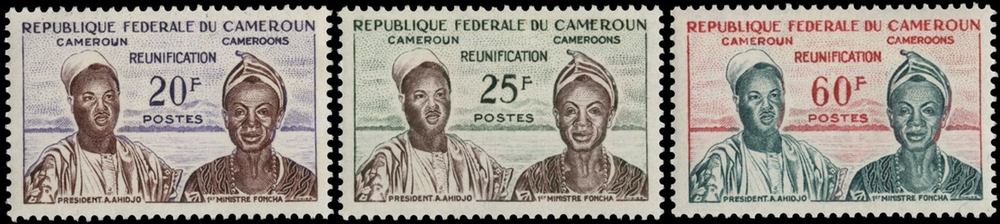
From January 1962, postage stamps were issued for the federation bearing the French inscription “REPUBLIQUE FEDERALE DU CAMEROUN”. The first stamps, issued on 1 January, depicted President Ahmadou Ahidjo and his new Prime Minister, John Ngu Foncha, in traditional dress. These stamps were withdrawn from circulation after only a few days because the Prime Minister's traditional headwear caused people to mistake him for a woman. Nevertheless, they were occasionally used on private and commercial correspondence, although such examples are very rare, apart from first day covers.
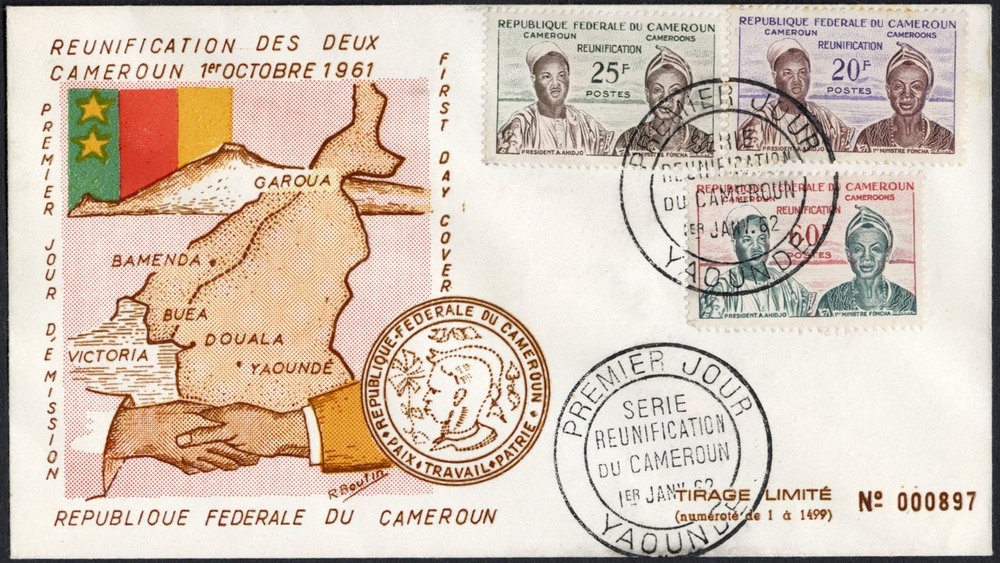
First day cover (FDC).
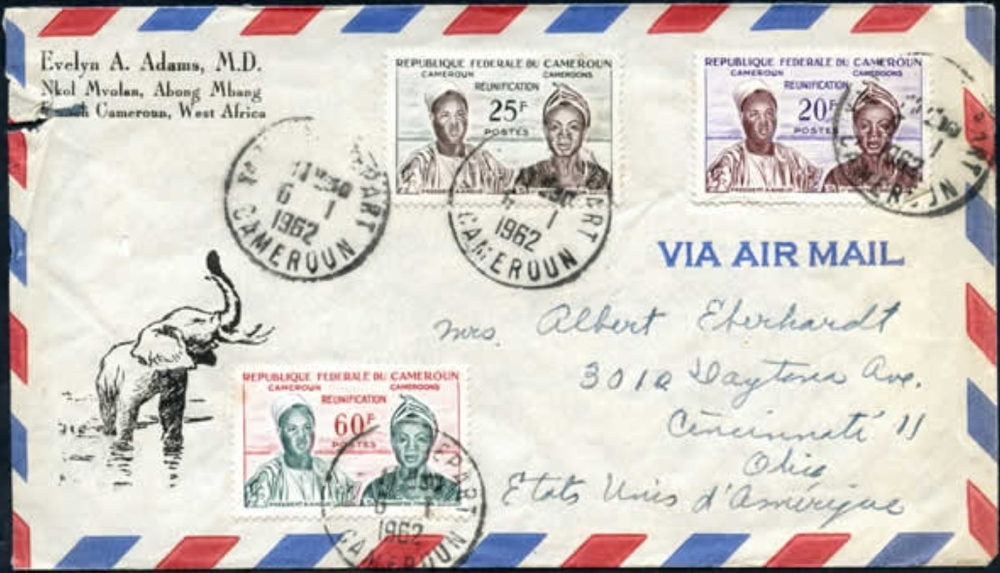
Airmail cover sent on 6 January 1962 from Yaoundé to Cincinnati.
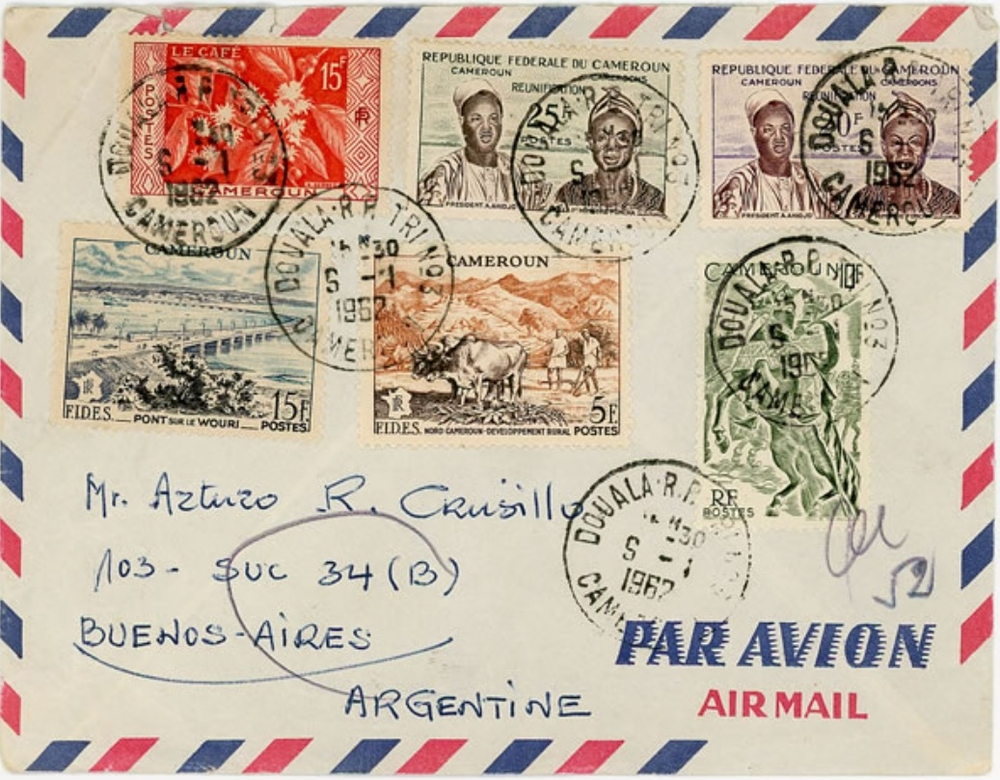
Airmail cover sent on 9 January 1962 from Douala to Buenos Aires.
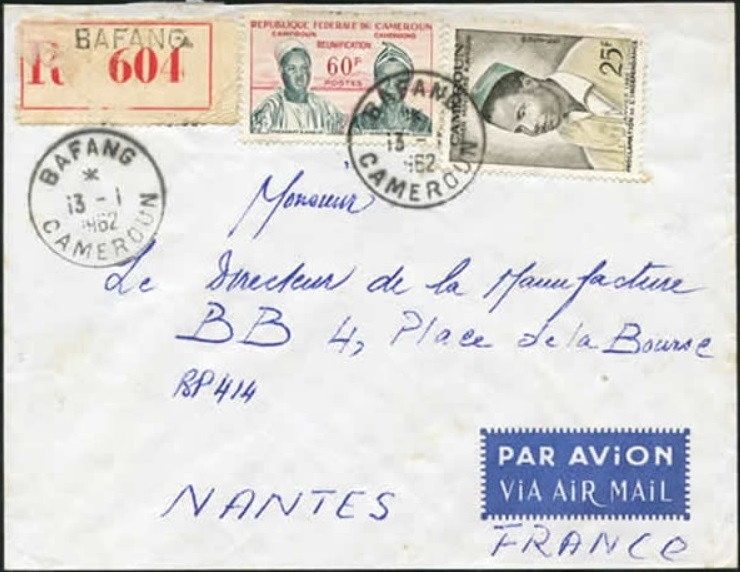
Registered airmail cover sent on 13 January 1962 from Bafang to Nantes.
For use in West Cameroon, these stamps were issued on 1 January 1962 with currency overprints.
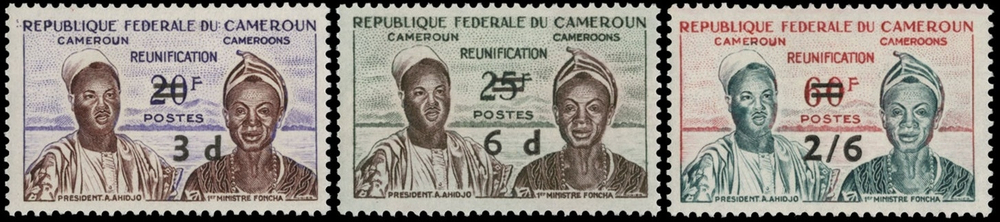
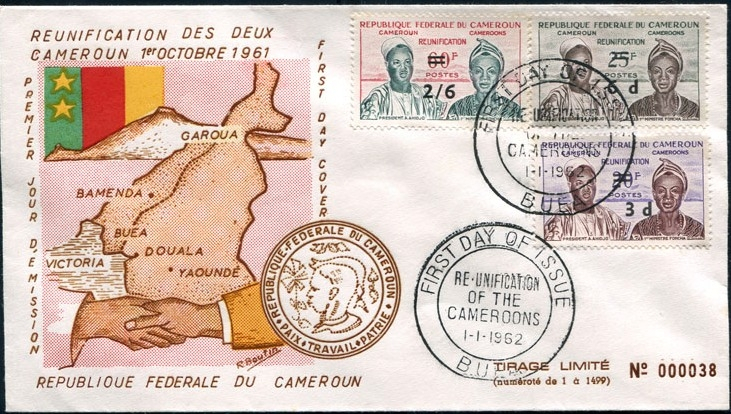
First day cover (FDC).
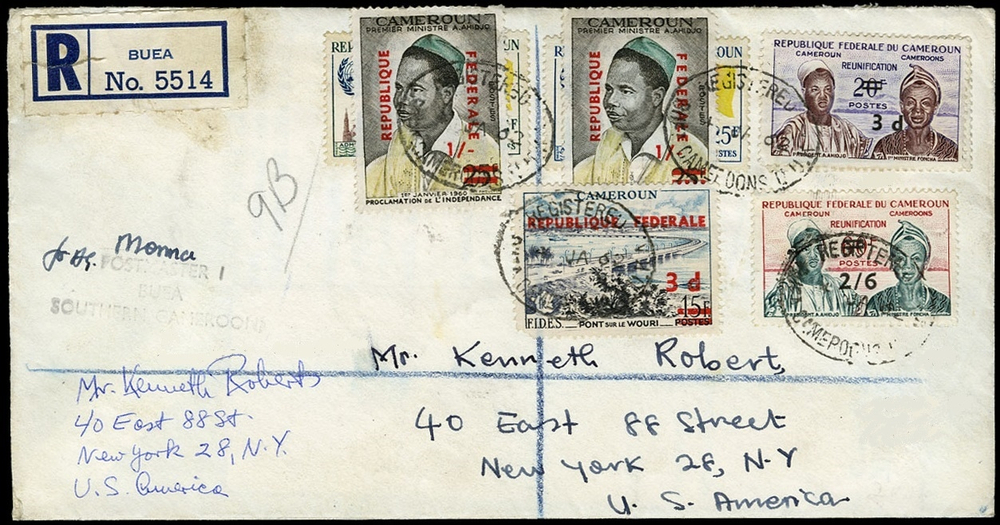
Registered cover sent on 4 January 1962 from Buea to New York, with two invalid stamps of independent Cameroon covered by stamps of West Cameroon.
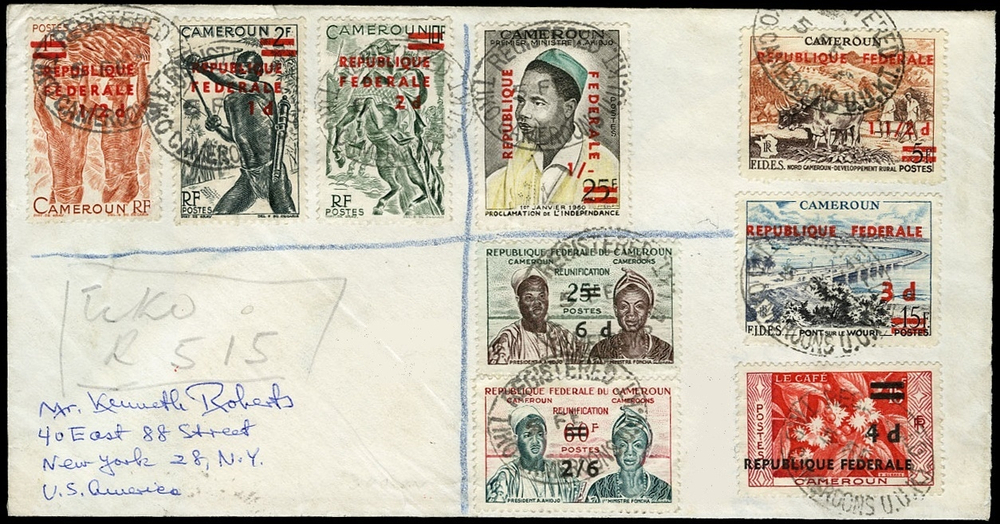
Registered cover sent on 5 February 1962 from Tiko to New York.
The validity of stamps with currency overprints for West Cameroon ended on 30 April 1962. However, older Cameroonian stamps remained valid.
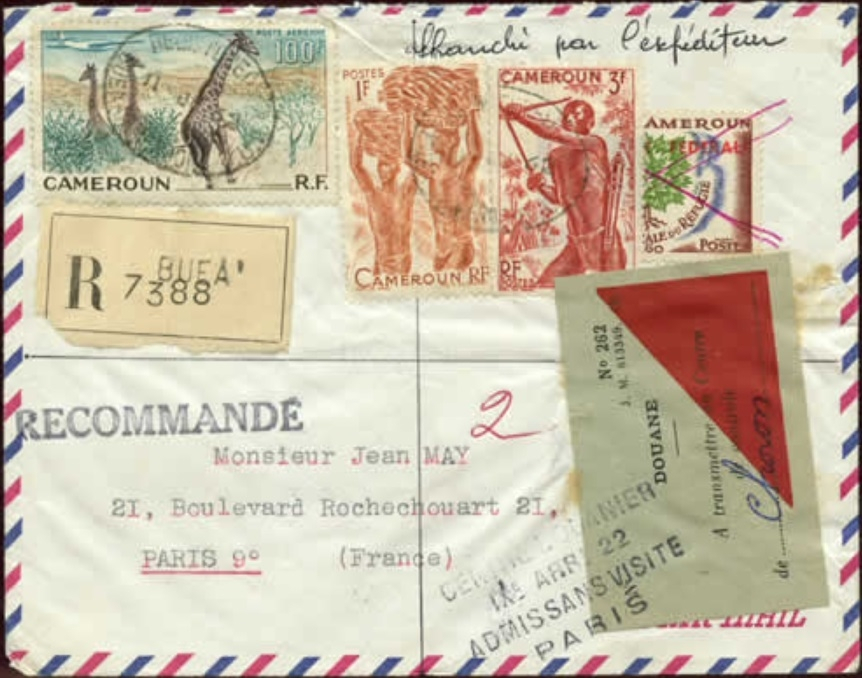
Registered airmail cover sent on 11 June 1962 from Buea to Paris, with a West Cameroon overprinted stamp crossed out in pen as invalid. Additional postage was paid using stamps from the French mandate period, and a customs charge was imposed in Paris.
Stamp issues for the federation continued to bear the unchanged inscription “REPUBLIQUE FEDERALE DU CAMEROUN”.
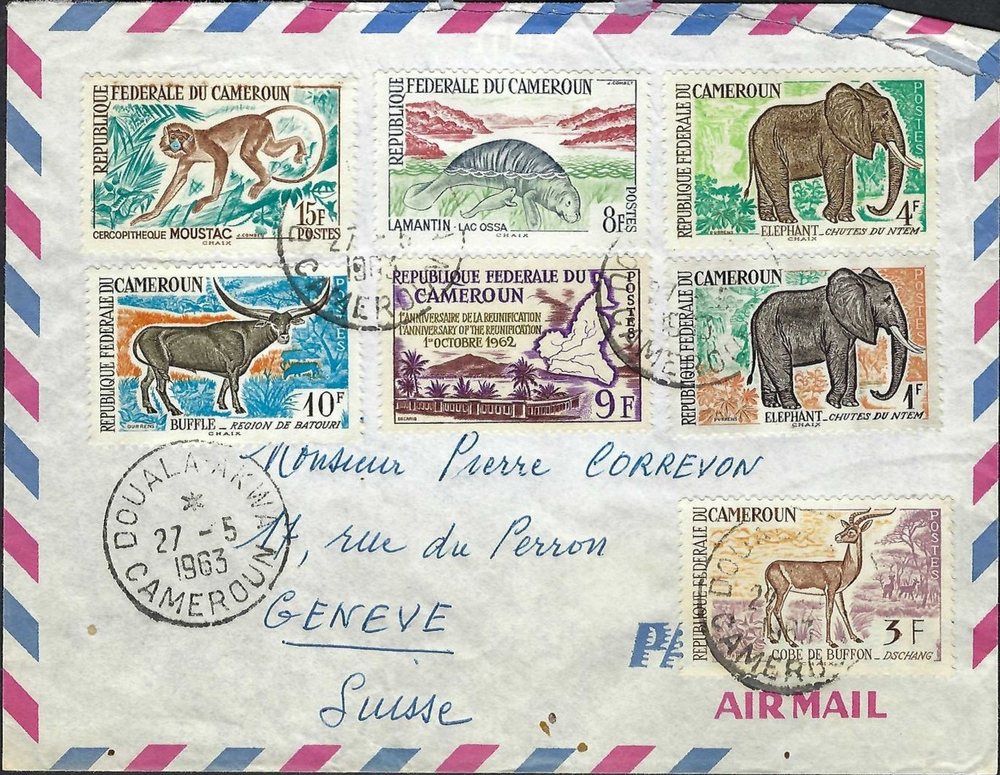
Registered airmail cover sent on 27 May 1963 from Douala to Geneva.
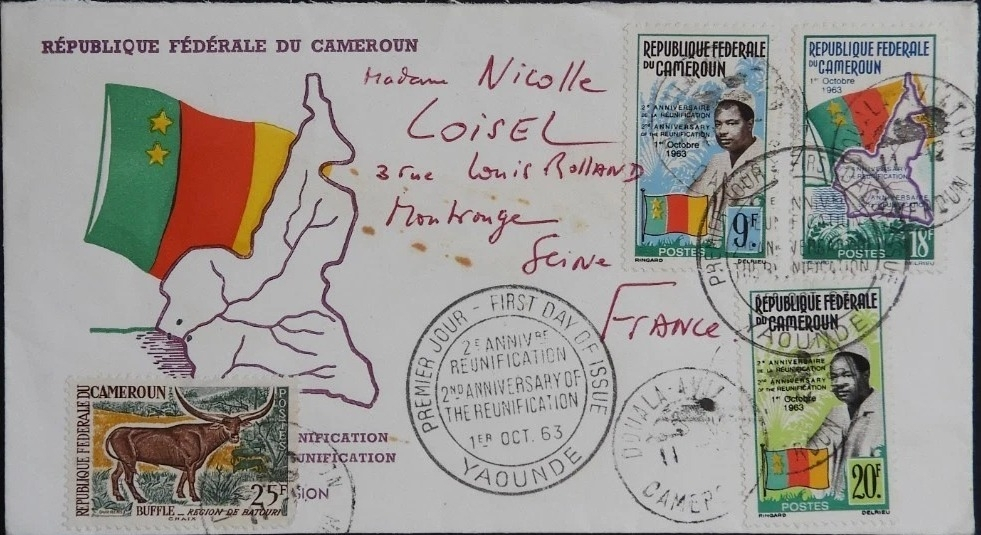
FDCs issued on 1 October 1963 to commemorate the second anniversary of the establishment of the federation, and sent on 11 December 1963 from Douala to Seine.
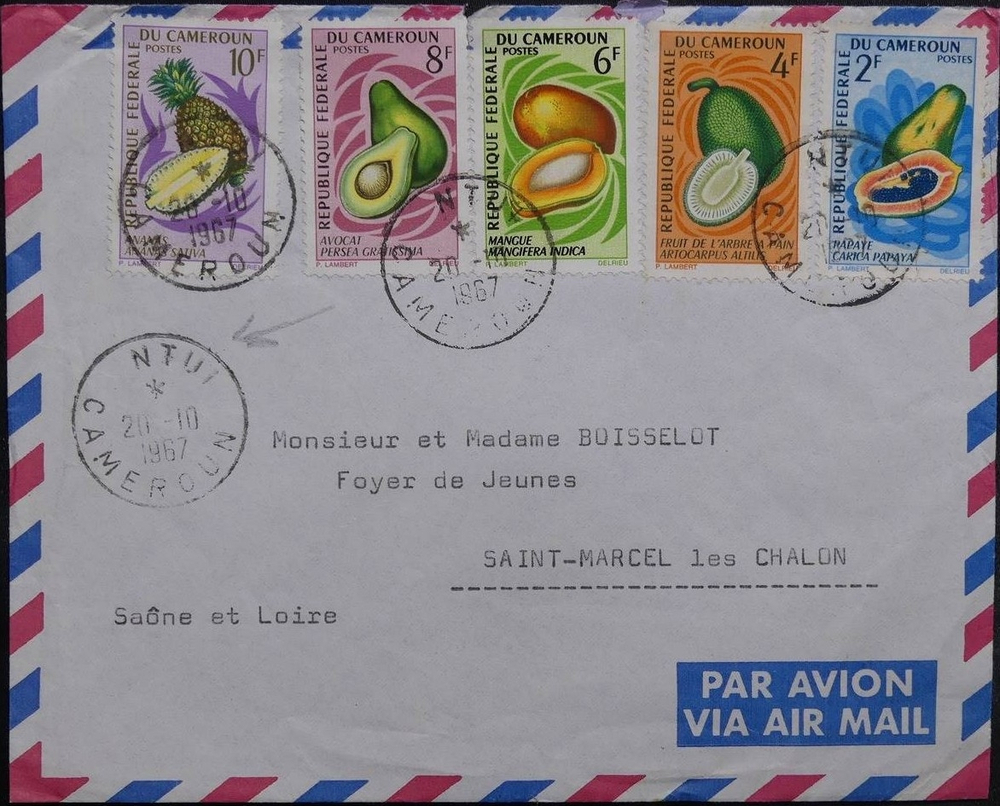
Airmail cover sent on 20 October 1967 from Ntui to Saint-Marcel.
From December 1968, postage stamps were issued with the bilingual inscription “REPUBLIQUE FEDERALE DU CAMEROUN / FEDERAL REPUBLIC OF CAMEROON”.
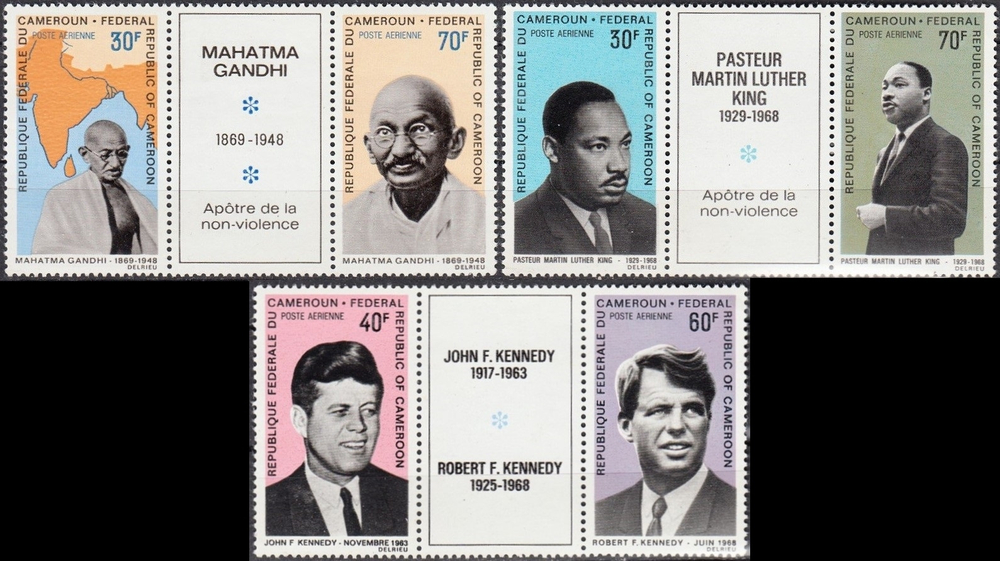
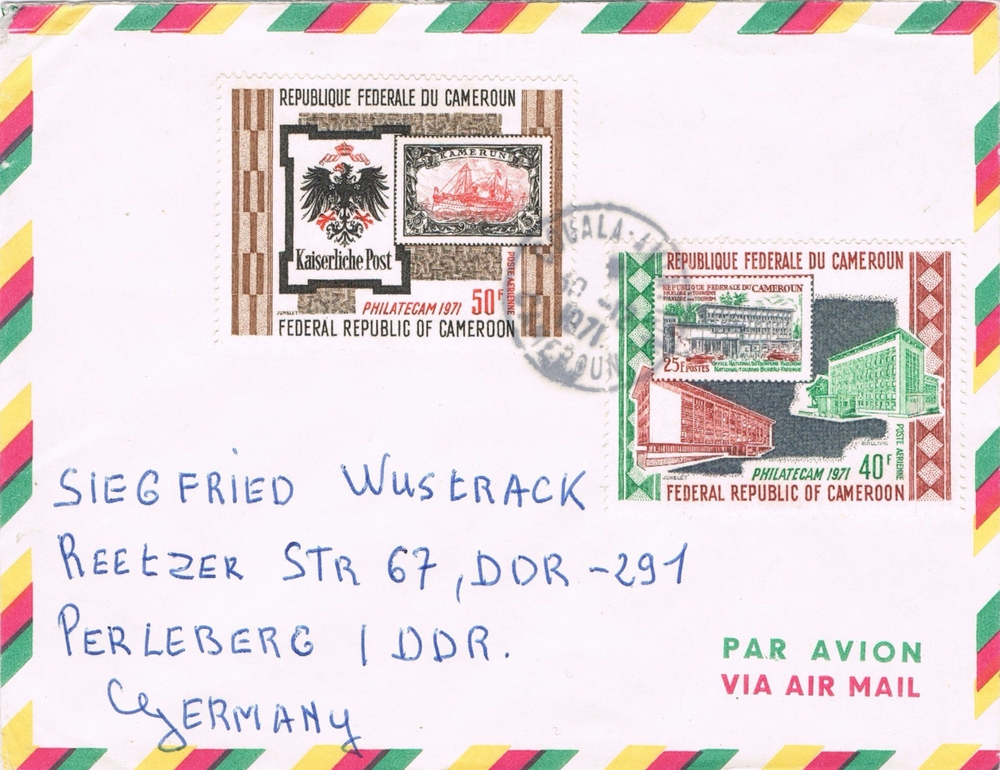
Airmail cover sent on 10 December 1971 from Douala to Perleberg.
On 6 May 1972, President Ahidjo announced his decision to transform the Federal Republic into a unitary state, provided that the proposal was supported by a referendum. The referendum was held on 20 May 1972, with 99.99% voting in favour of unification. The new constitution came into force on 2 June, re-establishing Cameroon as a unitary state.
West Cameroon was replaced by two regions, the Northwest and Southwest Regions.
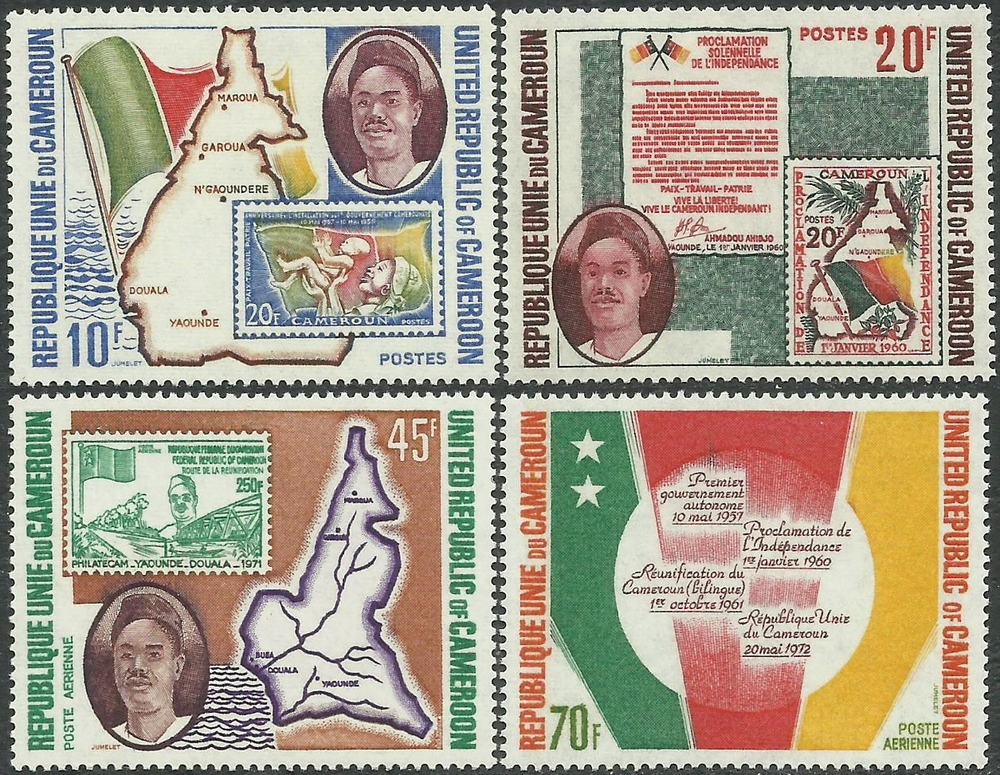
From July 1972, postage stamps were issued with the bilingual inscription “REPUBLIQUE UNIE DU CAMEROUN / UNITED REPUBLIC OF CAMEROON”.
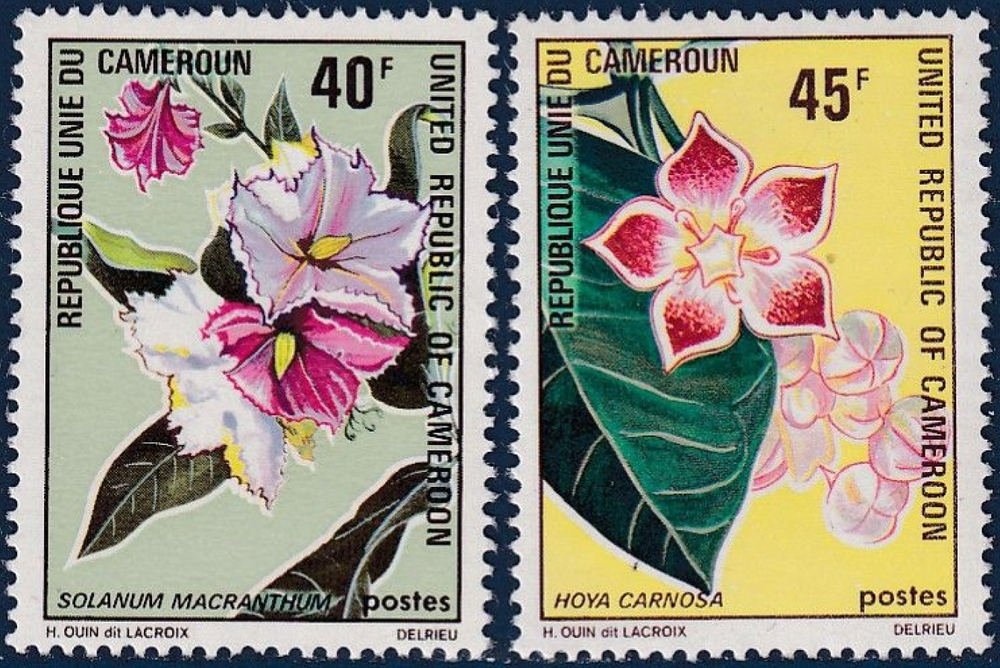
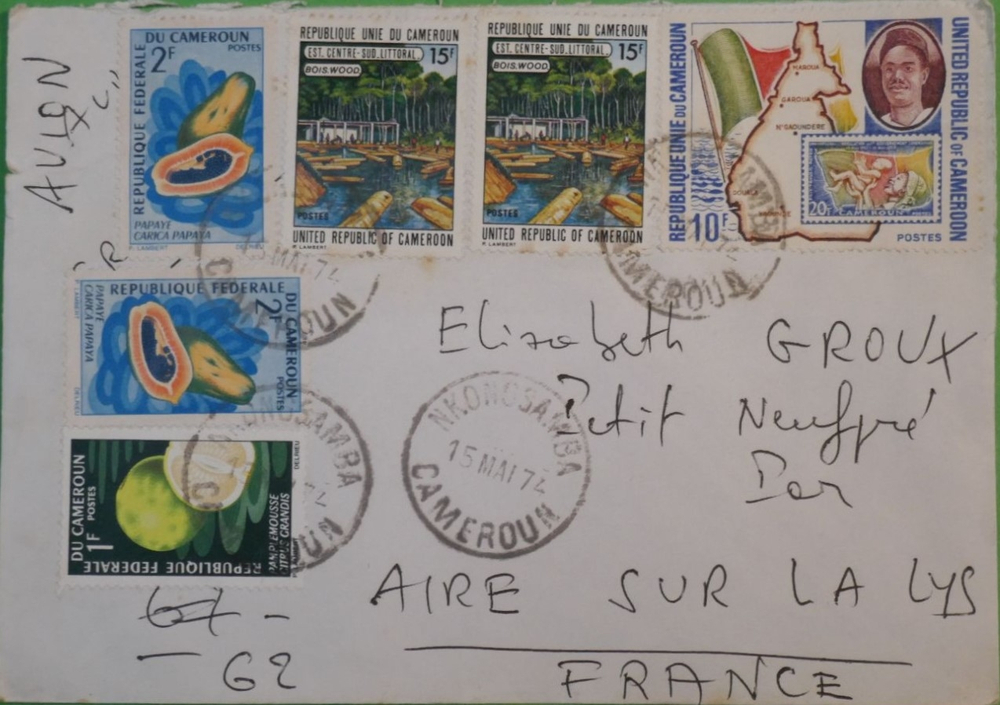
Cover sent on 15 May 1974 from Nkongsamba to Aire-sur-la-Lys.
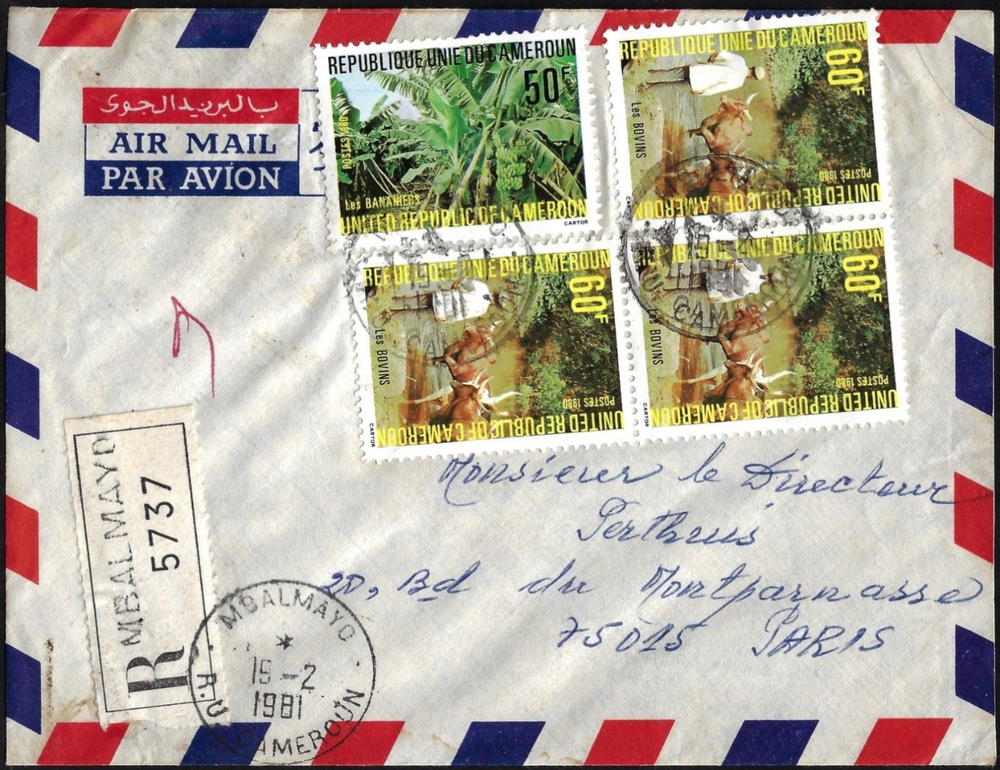
Registered airmail cover sent on 19 February 1981 from Mbalmayo to Paris.
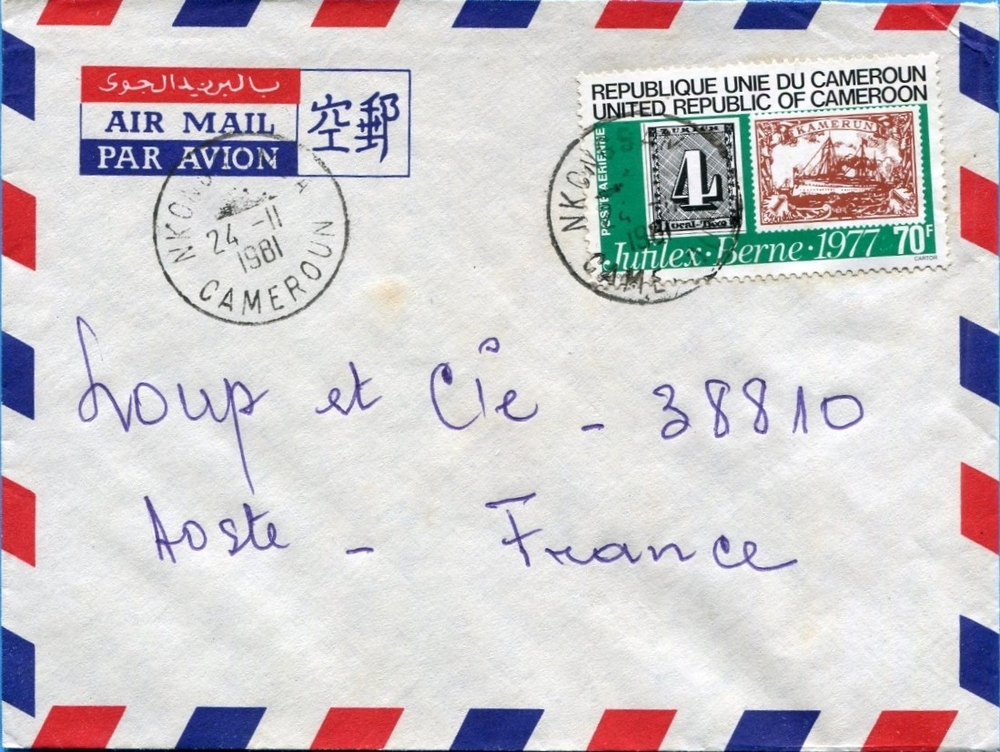
Airmail cover sent on 24 November 1981 from Nkongsamba to Aoste.
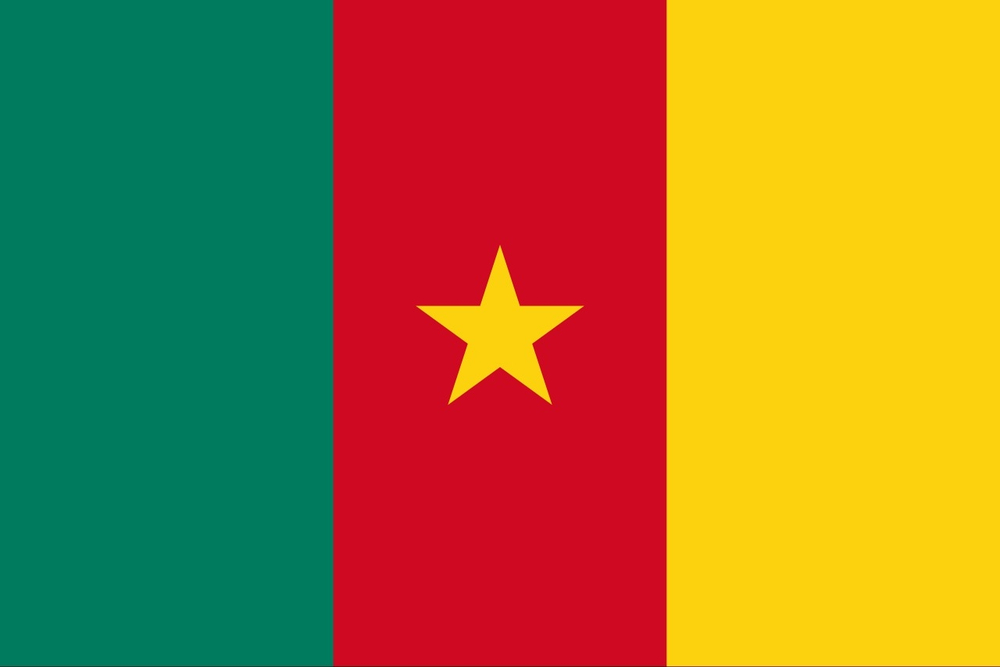
The national coat of arms and flag were changed on 20 May 1975. The two stars were removed and replaced by a single large central star symbolising national unity.
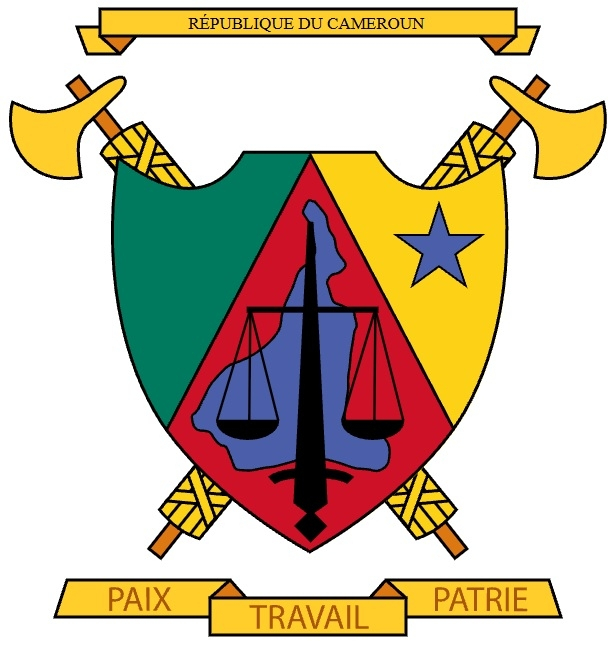
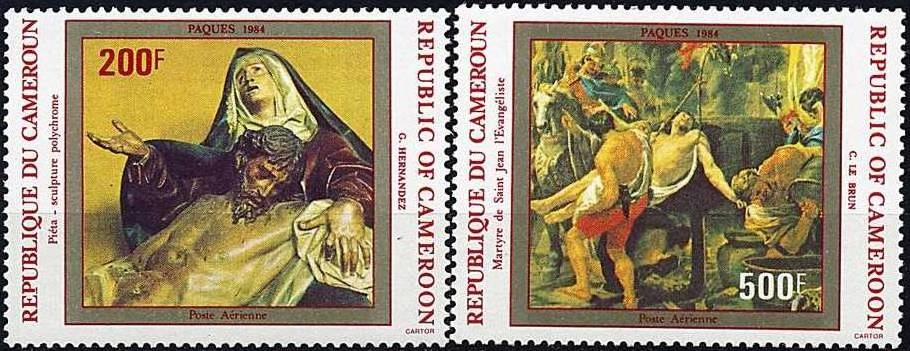
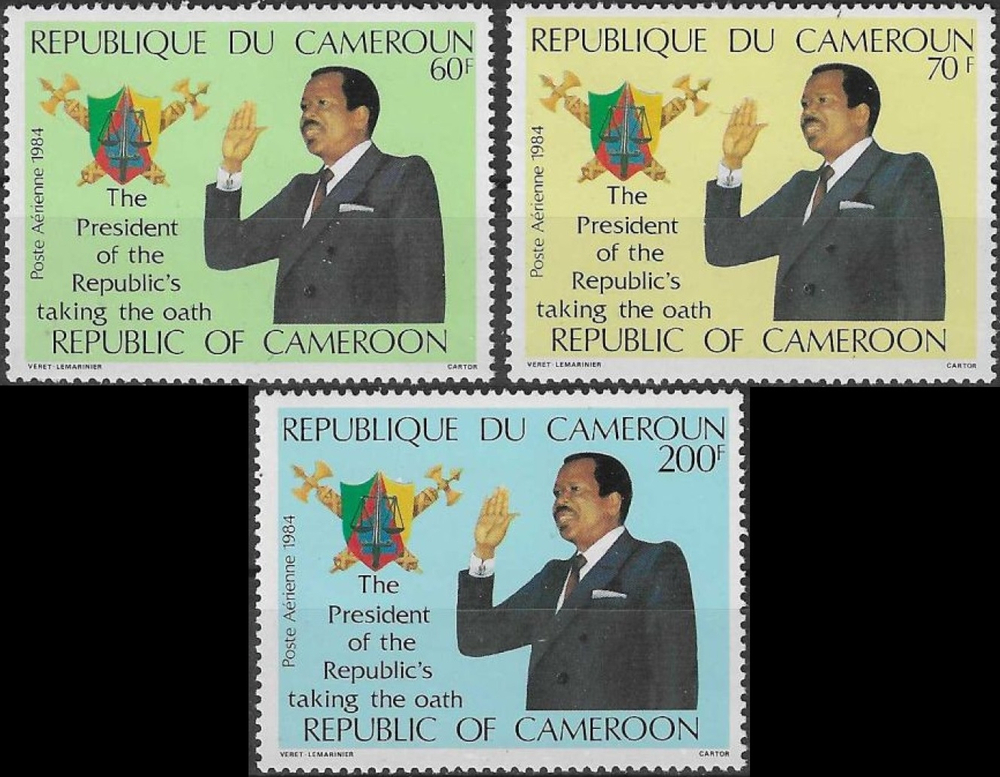
In 1984, Ahidjo's successor, Paul Biya, changed the country's name from the United Republic of Cameroon to the Republic of Cameroon, restoring the name that French-speaking Cameroon had used before the negotiations on federation.
From March 1984, postage stamps were issued with the bilingual inscription “REPUBLIQUE DU CAMEROUN / REPUBLIC OF CAMEROON”.
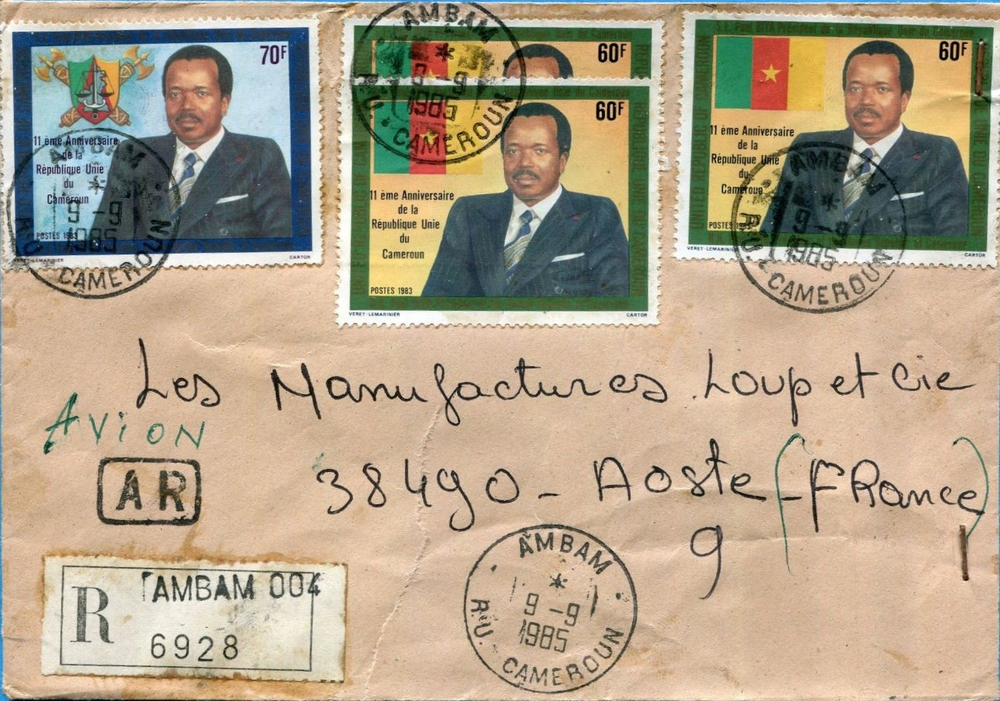
Registered cover sent on 9 September 1985 from Ambam to Aoste.
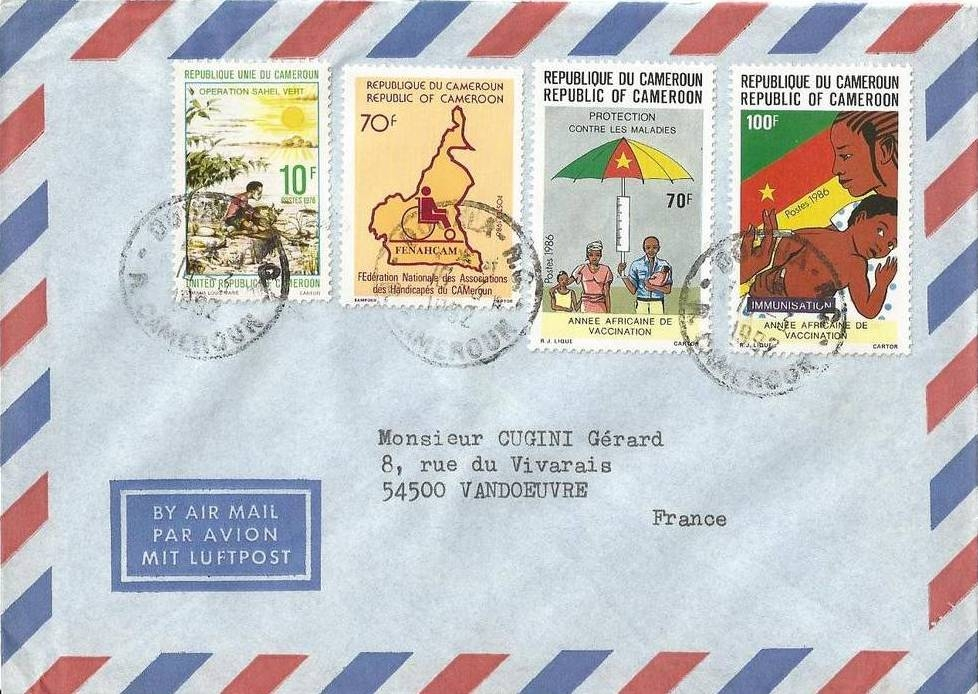
Airmail cover sent on 15 March 1992 from Douala to Vandoeuvre.
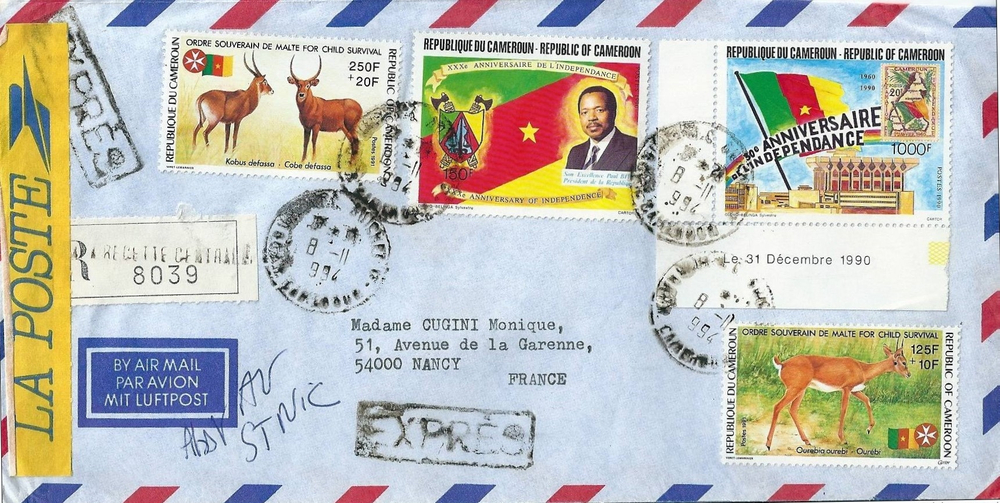
Registered airmail cover sent on 8 November 1994 from Douala Recette Centrale to Nancy.
Ambazonia (the Federal Republic of Ambazonia or the State of Ambazonia) is a political entity proclaimed by English-speaking separatists seeking independence from Cameroon. The separatists claim that it should comprise Cameroon's Northwest and Southwest Regions.
Since 2017, Ambazonian insurgents have been engaged in armed conflict with the Cameroonian army in the so-called Anglophone Crisis. They have attempted to establish governments in exile, while supporting militias have taken control of parts of the territory they claim.
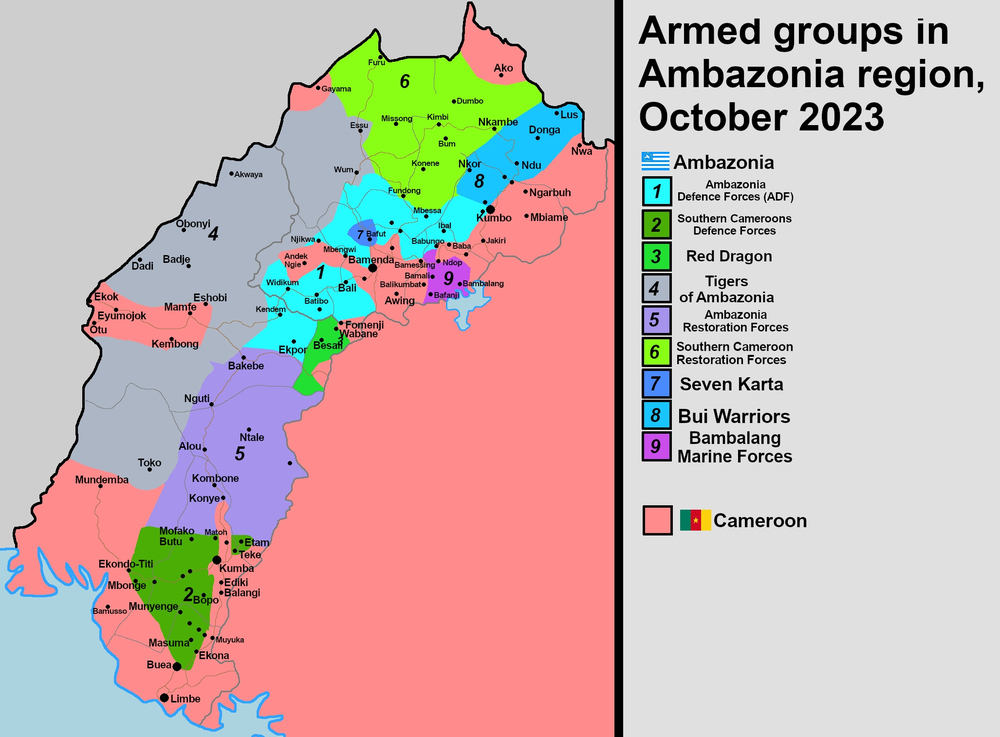
Until 1961, the territory of these regions formed the southern part of the British-administered Trust Territory, British Cameroons, while the remainder of Cameroon was a French-administered Trust Territory. Following independence, voters in the southern part decided to join Cameroon as a constituent state of the Federal Republic.
Over time, the power of the central government, dominated by French-speaking Cameroonians, expanded at the expense of regional autonomy. Many inhabitants identify as Anglophone and oppose what they perceive as discrimination and attempts by the Cameroonian government to dismantle Anglophone legal, administrative, educational and cultural institutions.
As of 2026, no country has recognised Ambazonia as an independent state.
The name Ambazonia is derived from Ambozes, a local name for the bay near the mouth of the Wouri River, known in English as Ambas Bay.
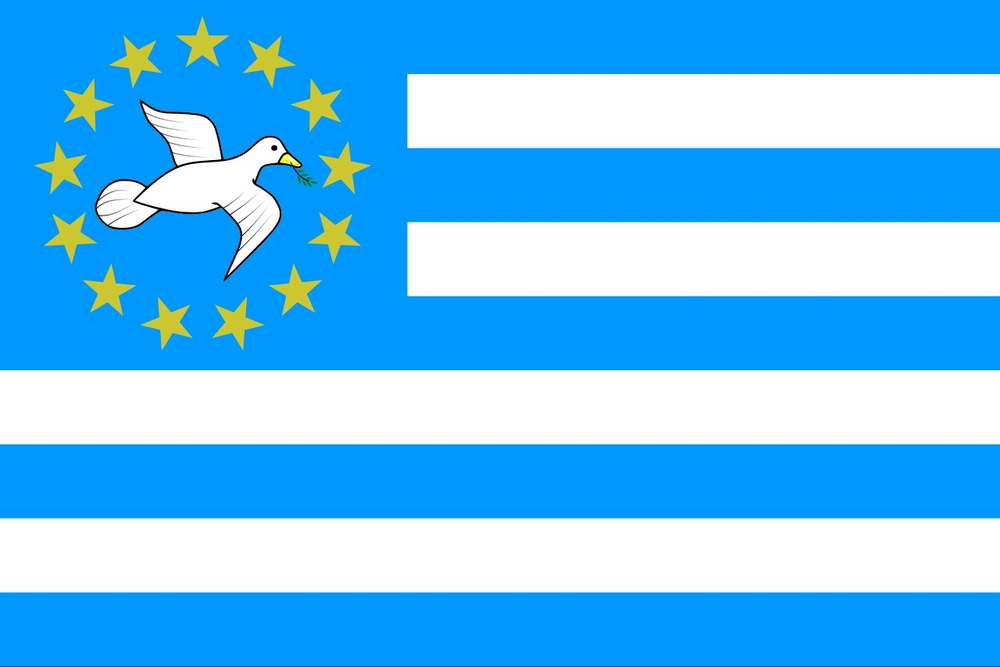
Flag of Ambazonia, used by separatists since 1999.
So-called “stamps” bearing the inscription “REPUBLIC OF AMBAZONIA” can be found on the internet. However, these have no connection with actual postal operations and are issued solely for financial gain.
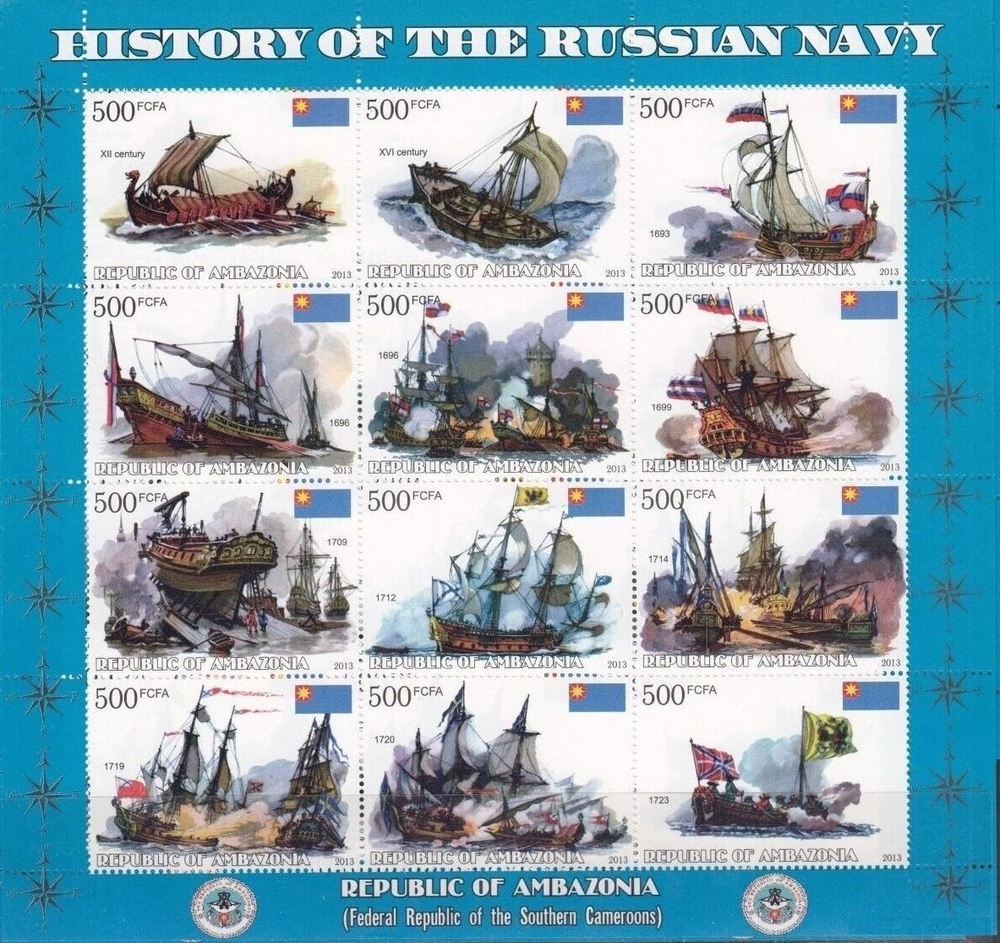
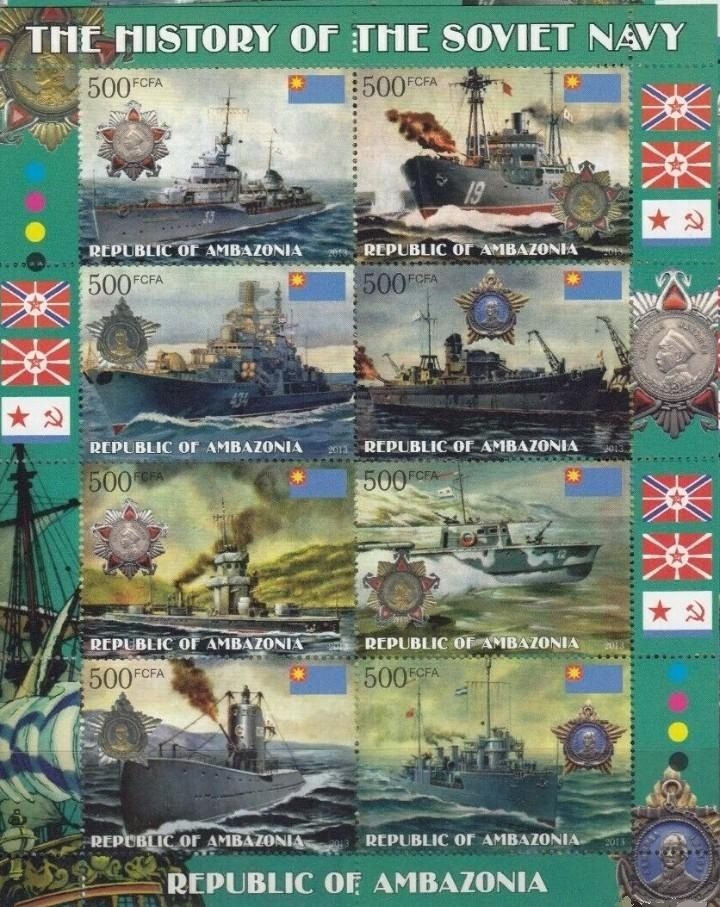
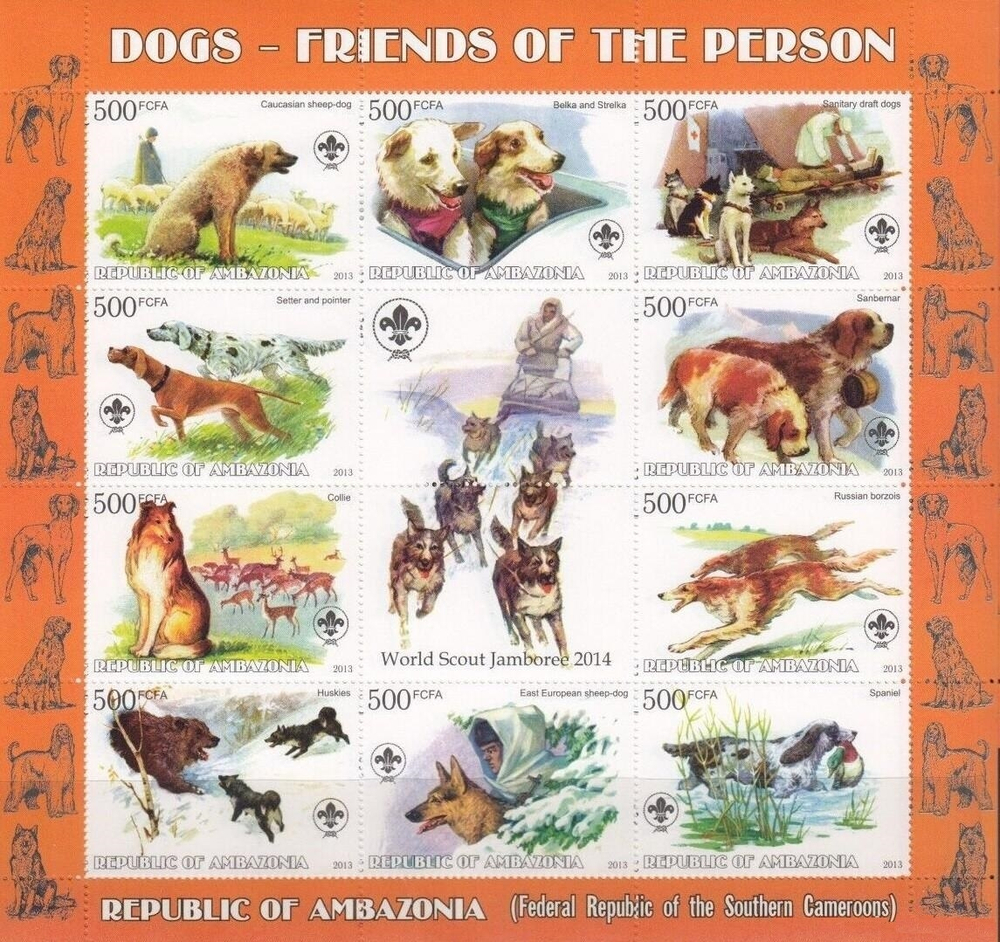
© Scott Standard Postage Stamp Catalogue. Scott Publishing Co., 2017 (2016 printing).
© Michel Deutschland-Spezial Katalog 2015, Schwaneberger Verlag.
© Michel Übersee-Katalog, Westafrika 2011, Schwaneberger Verlag.